Dental Chews for Dogs: How to Choose the Best Ones
Selecting the right dental treat requires balancing Veterinary Oral Health Council standards with your dog's size and chewing style.
petsupplies.co earns a commission if you buy through the product links on this page, and the price you pay is the same either way.

Maintaining canine oral hygiene often requires more than occasional brushing to prevent plaque accumulation. Well-made dental chews serve as functional tools that use mechanical abrasion to scrub tooth surfaces while providing indoor enrichment. Identifying the best dental chews for dogs involves looking past marketing claims to find products with independent clinical validation.
The Significance of the VOHC Seal
When evaluating dental products, the Veterinary Oral Health Council (VOHC) serves as the primary standard for efficacy. This independent organization does not conduct its own testing but reviews data provided by manufacturers to verify that a product actually reduces plaque or tartar by a pre-set percentage. A product without this seal may still be a safe treat, but it lacks verified evidence of its dental benefits. Look for the VOHC seal specifically for "Plaque Control," "Tartar Control," or both on the packaging. This distinction is the most reliable way to filter out treats that are purely recreational compared to those that provide measurable health advantages.
Categories of Dental Aids and Chews
Dental sticks are the most common format, typically designed with ridges or a star shape to increase surface area contact with the teeth. These are generally starch-based or glycerin-based and are meant to be fully digestible. Textured rawhide alternatives offer a more durable option for aggressive chewers without the digestibility concerns associated with traditional rawhide. These often use compressed vegetable fibers or hydrolyzed proteins to create a tough lattice that dogs must work through slowly. For dogs that consume treats too quickly to benefit from mechanical scrubbing, water additives or enzymatic powders can serve as supplemental tools, though they do not provide the same enrichment as a physical chew.
What to Look For
- VOHC Acceptance: Check that the product carries the official seal for plaque or tartar reduction.
- Appropriate Sizing: The chew must be large enough that the dog cannot swallow it whole, which prevents choking and intestinal blockage.
- Caloric Density: Dental treats contribute to daily caloric intake; look for options that do not exceed 10% of the dog's total daily calories.
- Fracture Risk: Avoid materials that are harder than the tooth enamel, such as natural bones or antlers, which may cause tooth fractures.
- Flexibility: A safe dental chew should have some "give" or flexibility when pressed, so it breaks down under the force of the jaw.
Matching Chews to Life Stage and Size
Selecting a chew based on jaw size is critical for both safety and efficacy. Small dogs require smaller, softer chews to prevent jaw strain, while large breeds need substantial density so the chew survives long enough to actually scrape the teeth. Puppies should only use chews specifically formulated for their developing teeth and gums, usually labeled for those over six months of age. Senior dogs with existing dental fragility may require softer, highly digestible sticks that do not put excessive pressure on sensitive roots. For overweight dogs, some manufacturers offer low-calorie versions of their VOHC-approved lines to maintain oral health without compromising weight management goals.
Common Mistakes
- Feeding incorrect sizes: Giving a small dog chew to a large dog increases the risk of the dog swallowing the item in one piece.
- Ignoring the calorie count: Treating dental chews as "free" snacks can lead to rapid weight gain if other food portions are not adjusted.
- Replacing brushing entirely: While chews are effective, they are most helpful when used as a supplement to, rather than a total replacement for, manual brushing.
When to Talk to Your Vet
If you notice persistent bad breath, bleeding gums, or a dog that suddenly stops chewing on one side of its mouth, consult a veterinarian. These can be signs of advanced periodontal disease that a chew cannot fix. A professional dental cleaning may be necessary before starting a preventative chew regimen. You can find more specific recommendations for your dog's breed and age by using the Pet Supply Picker to filter for vetted options.
Bottom Line
The best dental chews for dogs are those that carry the VOHC seal and provide enough resistance to scrub the teeth without risking a fracture. By matching the chew size to the dog's weight and monitoring total calorie intake, owners can turn treat time into a meaningful part of a preventative health routine.
Authoritative references
- Veterinary Oral Health Council: VOHC Accepted Products list
- American Veterinary Dental College: avdc.org
- American Animal Hospital Association: AAHA dental care guidelines for pet owners
- American Veterinary Medical Association: Pet dental care
FAQ
Frequently asked
How often should I give my dog a dental chew?
Most VOHC-approved products are meant for once-daily use to effectively reduce plaque buildup. Always follow the specific manufacturer guidelines and adjust the dog's primary meal portions to account for the extra calories.
Are dental chews safe for puppies?
Puppies should generally wait until they have their adult teeth, usually around six months old, before starting standard dental chews. Consult the packaging for age-specific weight and developmental requirements.
Can dental chews replace brushing?
They are a supplement but not a complete replacement. Brushing is the only way to clean beneath the gum line, though chews significantly help reduce tartar on the visible surfaces of the teeth.
Why do some dental chews have green or brown coloring?
These colors often come from alfalfa, chlorophyll, or vegetable concentrates meant to freshen breath or signify natural ingredients. The color itself does not provide the dental cleaning benefit; the texture and VOHC-approved ingredients do.
Featured in this guide
The picks referenced above—priced and in stock at time of publication.
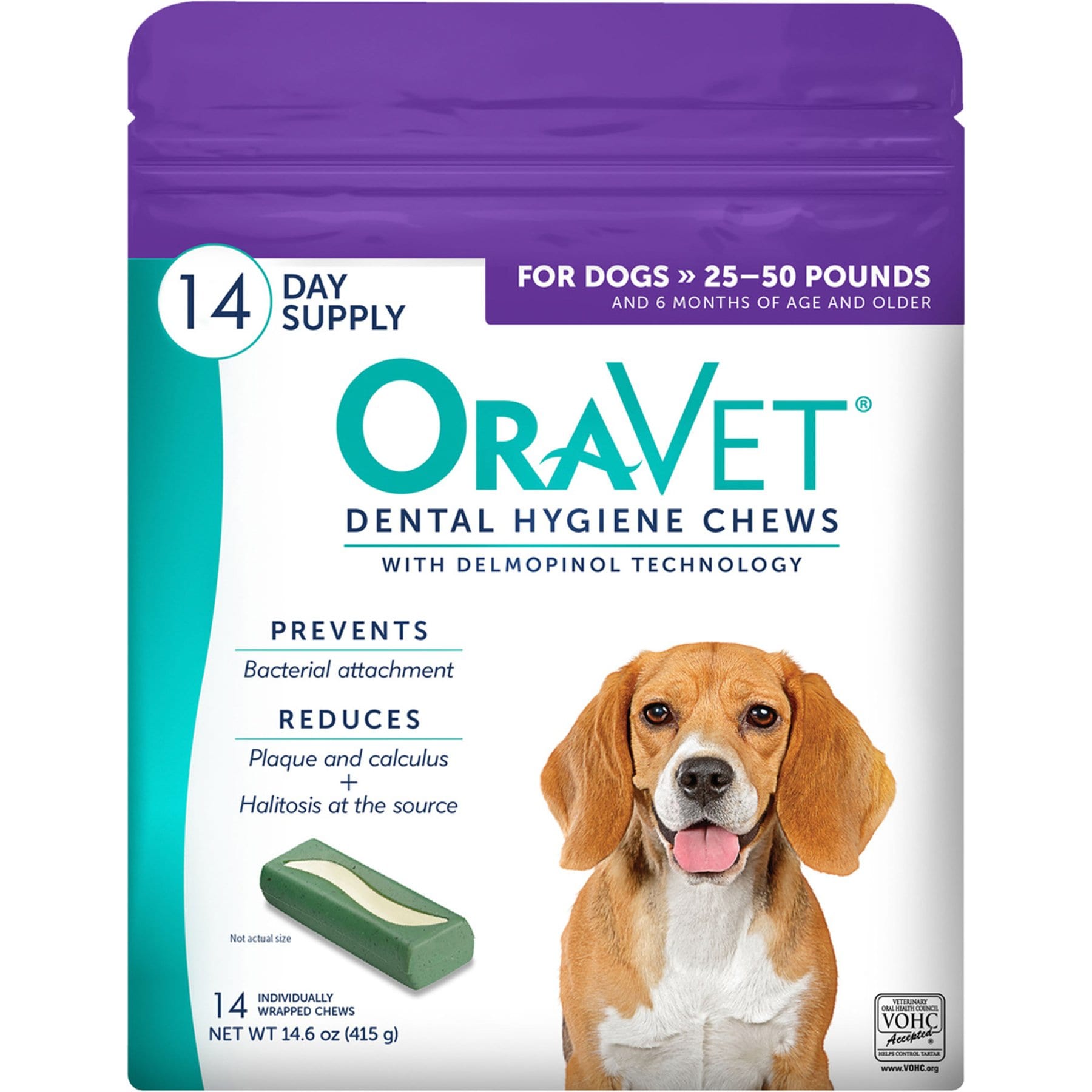
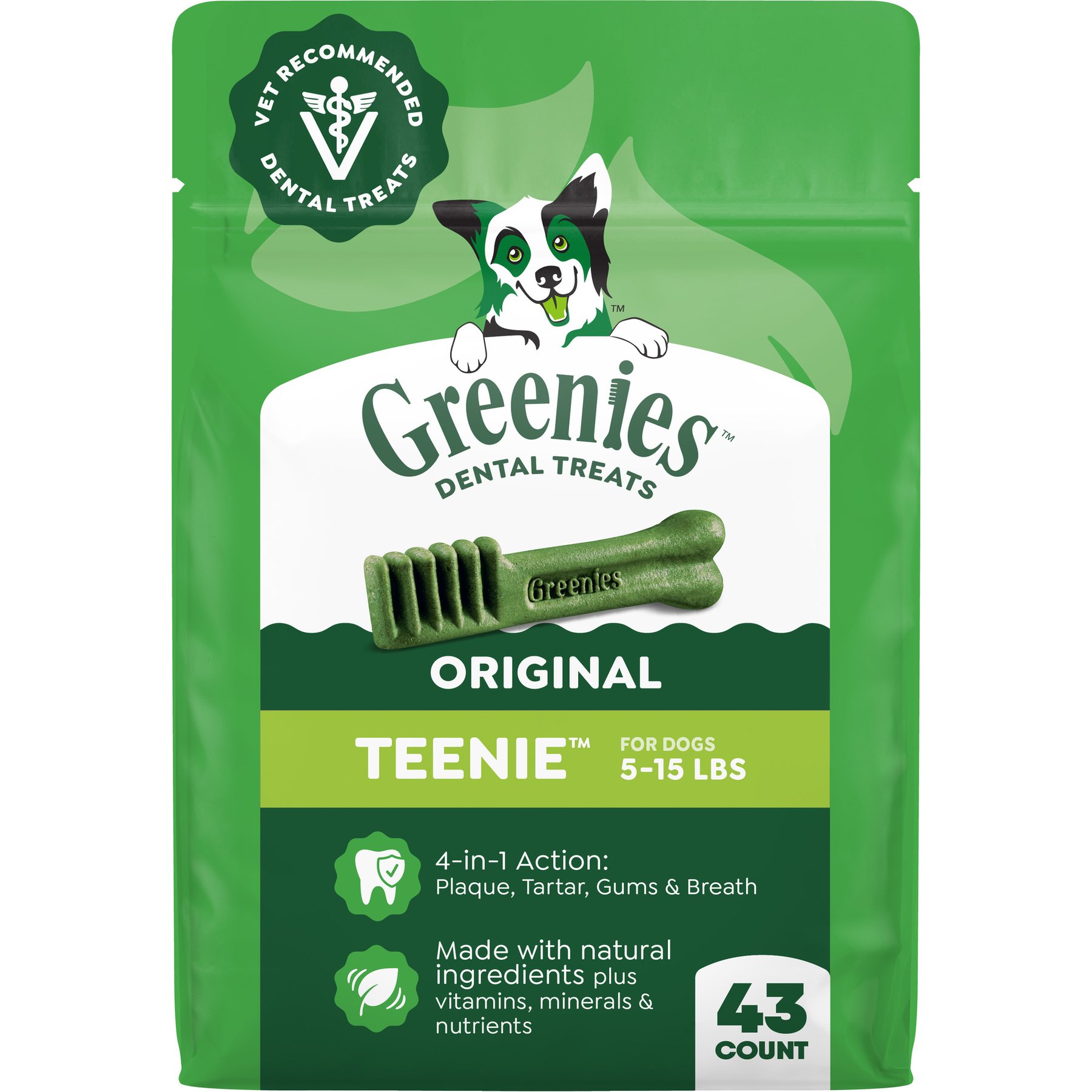
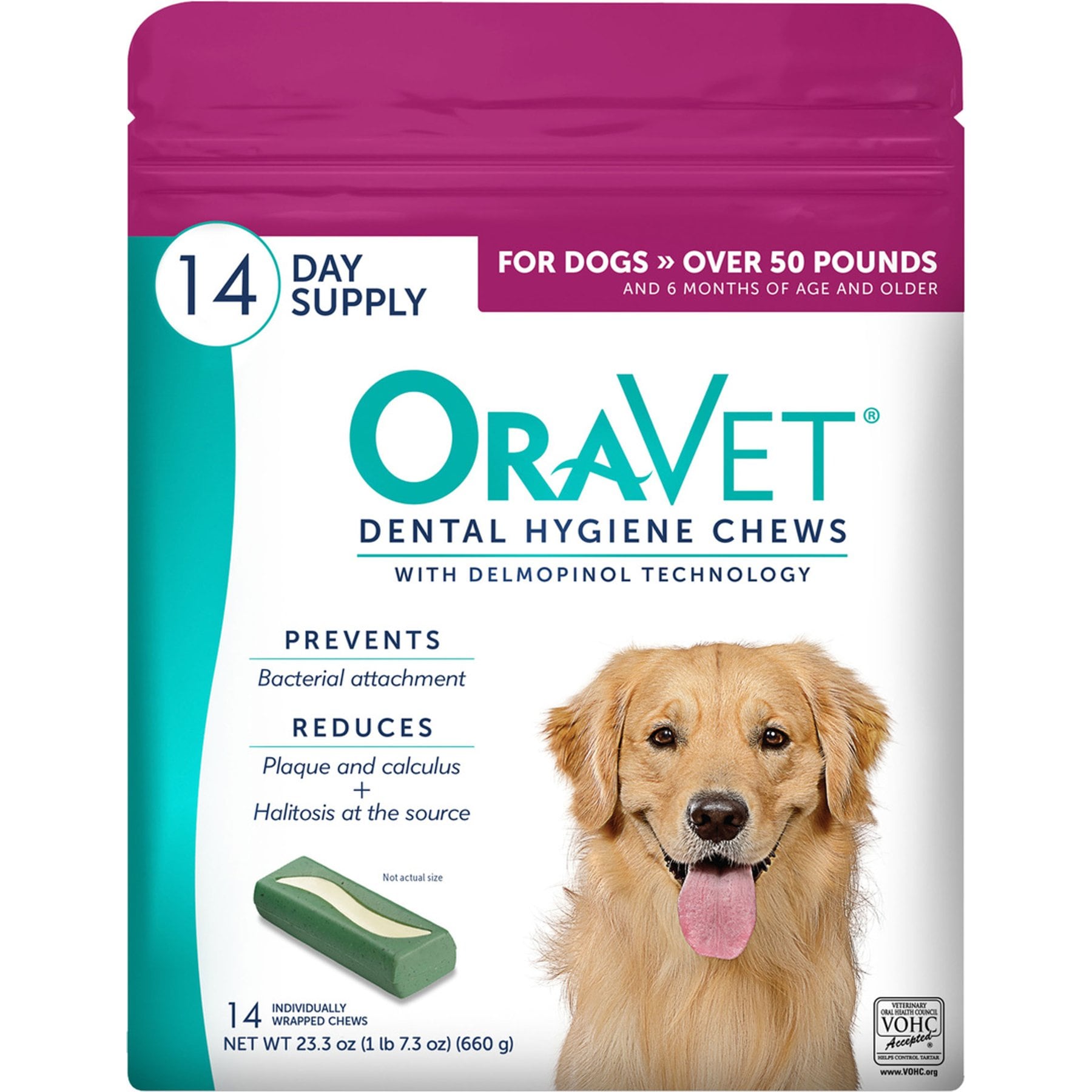
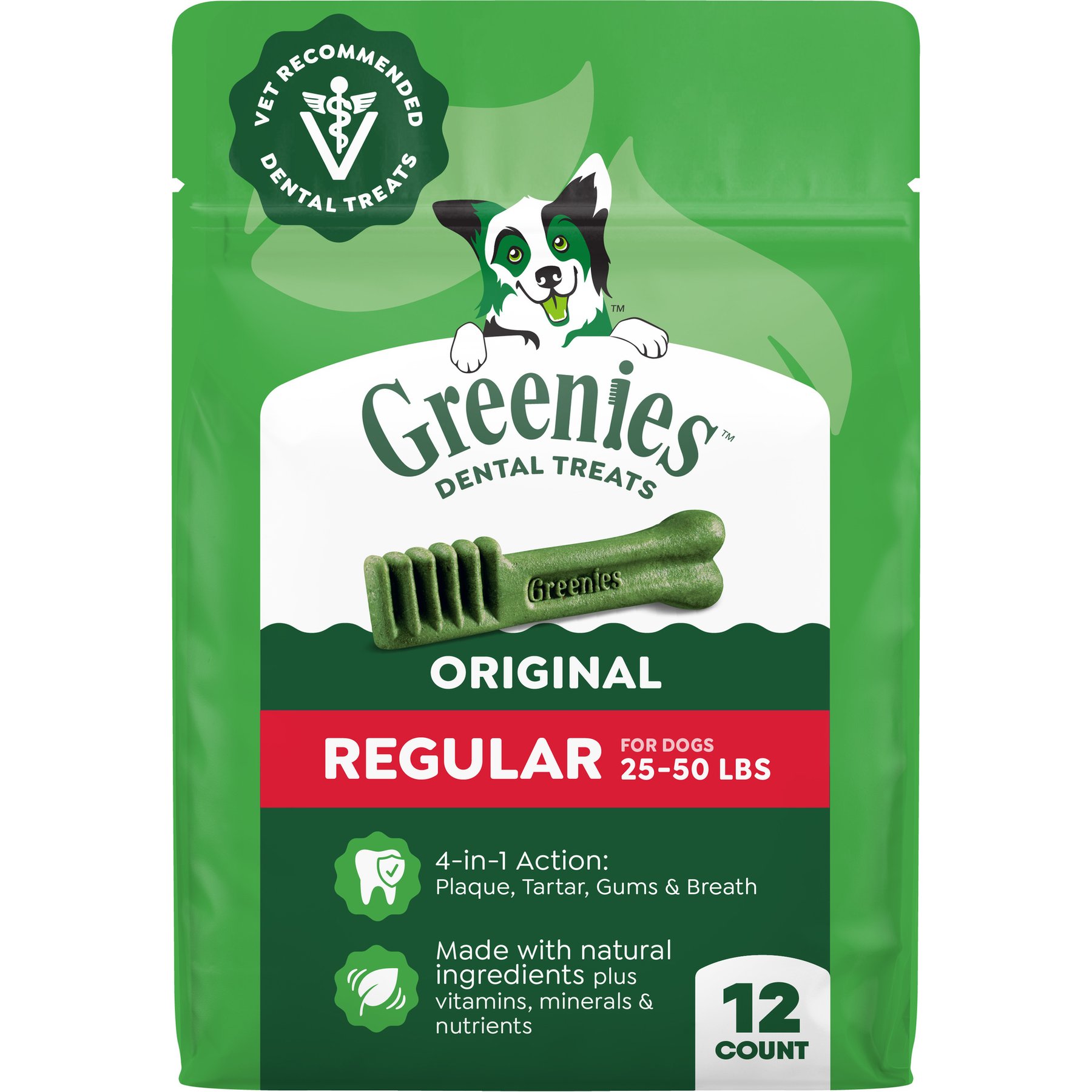
Affiliate links. Prices and availability change—we filter unavailable items nightly, but the retailer's page is source of truth.
Keep reading
evergreen
Probiotics for Dogs: What the Evidence Supports, and What the Label Has to Say
holiday wellness planning
Dog Beds for Cold Floors: A Layer Between Dog and Tile Does More Than Extra Fluff
evergreen
Scratching Posts Cats Actually Use: Tall, Heavy, Sisal, and in the Room You Live In
outdoor gear walks
Dog Carrier Backpacks for Hiking: Fit the Dog First, Then Plan for Heat and Rest Stops
new year basics
Dog Food Transition Guide: Four Days Suits Most Dogs, Sensitive Stomachs Need Longer
evergreen
Single-Ingredient Dog Treats: One Line on the Label, and What It Does Not Tell You
Discussion
Talk about Dental Chews for Dogs: How to Choose the Best Ones
Real questions from real pet owners. Add yours—signed-in members only, first three posts held for review.
Loading threads…