Freeze-Safe Dog Treat Recipes: Safe Ingredients, Smart Portions
A short list of homemade frozen treat recipes built from dog-safe ingredients, plus the foods to avoid and the 10 percent rule that keeps treats from undoing your dog's diet.
petsupplies.co earns a commission if you buy through the product links on this page, and the price you pay is the same either way.

Homemade frozen treats are one of the cheapest, easiest enrichment tools available to a dog owner. They stretch a small portion of food into 15 minutes of licking, slow down fast eaters, and double as a cooling tool on hot days. The catch: a handful of common kitchen ingredients are seriously toxic to dogs, and unfettered treat-giving is one of the most reliable paths to canine obesity. This guide gives you a safe ingredient list, four reliable recipes, and the portion-control rule every veterinary nutritionist will cite.
The 10 percent rule, first
Treats (including frozen treats) should not exceed 10 percent of a dog's daily caloric intake, a guideline echoed by VCA Animal Hospitals and the broader veterinary nutrition community. A 50-pound active adult dog eating roughly 1,000 kcal per day has a 100 kcal treat budget. That is one tablespoon of peanut butter, or a medium frozen Kong stuffed with low-calorie filling, not both. Track treats as part of the diet, not on top of it.
Ingredients that are safe in moderation
Stick to the following short list when you build frozen treats at home:
- Plain, unsweetened yogurt (look for "live active cultures"; avoid any product containing xylitol).
- 100 percent pure pumpkin puree (the canned kind labeled "pumpkin," not pumpkin pie filling).
- Banana, in small pieces.
- Blueberries, strawberries, and watermelon flesh (no seeds, no rind).
- Cooked, unseasoned chicken or turkey.
- Low-sodium, onion-free, garlic-free bone broth.
- Xylitol-free peanut butter (read the label every time; some brands have quietly switched to xylitol).
- Plain rolled oats, cooked.
Ingredients to avoid completely
The ASPCA Animal Poison Control Center maintains a public list of foods that are toxic to pets. For frozen treats specifically, never use:
- Xylitol (the FDA has issued a standing warning about its severe toxicity to dogs; even small amounts cause hypoglycemia and liver failure).
- Grapes and raisins (can cause acute kidney injury).
- Chocolate, coffee, and anything containing caffeine.
- Onions, garlic, leeks, chives (damage red blood cells).
- Macadamia nuts.
- Alcohol.
- Yeast dough.
- Stone fruit pits (cyanide risk and obstruction risk).
When in doubt, the ASPCA Poison Control Hotline is available 24/7 (a consultation fee applies).
Four reliable freeze-safe recipes
These recipes work in silicone molds, ice cube trays, lick mats, or Kong-style stuffable toys. Freeze at least four hours before serving. Use within two months for best texture.
Pumpkin-yogurt cubes. Whisk 1 cup plain unsweetened yogurt with 1/2 cup pure pumpkin puree until smooth. Spoon into ice cube trays. Roughly 8 to 12 kcal per cube depending on yogurt type. A reliable everyday option for a mid-size dog.
Banana-peanut butter pops. Mash one ripe banana with 2 tablespoons xylitol-free peanut butter and 1/4 cup plain yogurt. Spoon into silicone molds. Higher calorie; treat as a once-a-week reward, not daily filler.
Bone-broth ice cubes. Pour low-sodium, onion-free, garlic-free bone broth (homemade or check the label) directly into ice cube trays. Nearly zero calories, strong appeal for picky drinkers in summer, and a useful way to add hydration on hot days. Plain water can be tracked the same way for puppies learning to use a lick mat.
Berry-watermelon shards. Blend 1 cup seedless watermelon flesh with 1/4 cup blueberries and 2 tablespoons plain yogurt. Pour into a shallow silicone tray and freeze. Snap into shards. The lowest-calorie option in this list and a good fit for weight-management dogs.
What to look for in the gear
If you are going to make frozen treats a routine, a few inexpensive tools pay for themselves quickly:
- Food-grade silicone molds or paw-print trays (dishwasher-safe, freezer-safe).
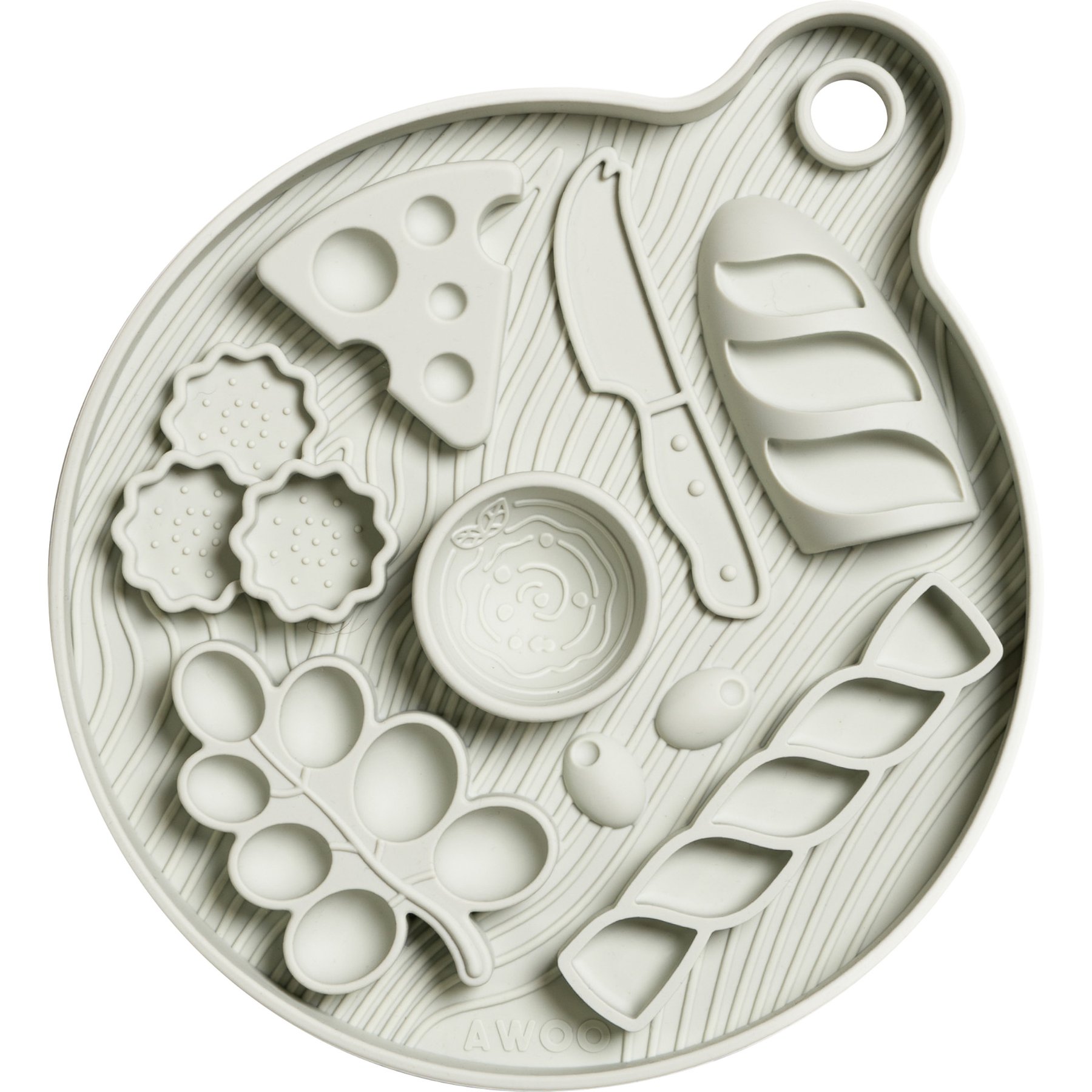
- A textured lick mat with a suction base so the dog cannot drag it across the floor.
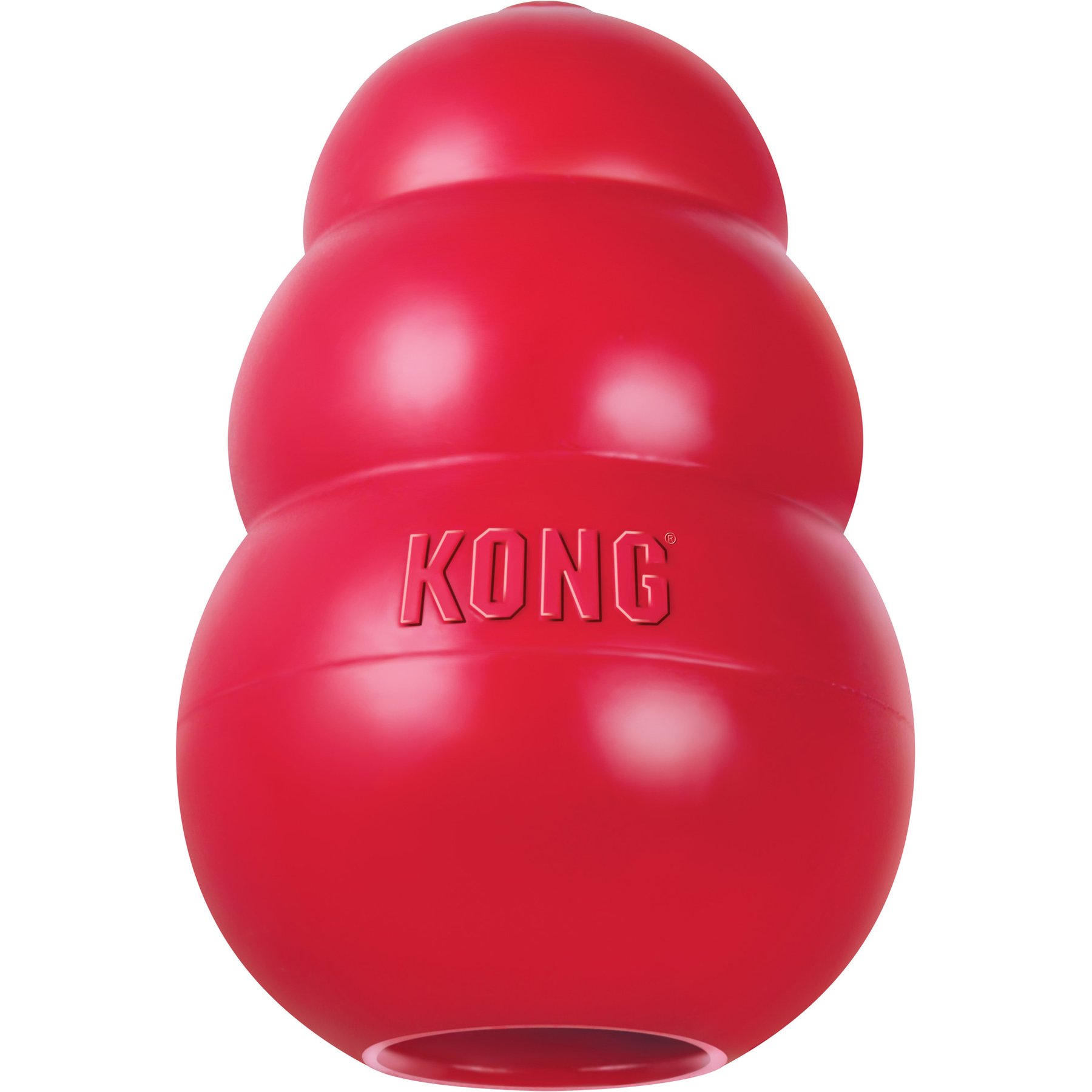
- A classic stuffable rubber toy (Kong-style) sized to your dog, with no detachable parts.
- A small kitchen scale to measure out per-serving portions consistently.
Implementation framework
For most dogs, a single small frozen treat replaces (not supplements) the standard daily treat allowance. Use frozen treats strategically: during alone time as enrichment, after a vet visit as positive reinforcement, or on hot summer afternoons. For dogs prone to stomach upset, introduce a new ingredient as a tiny test portion before scaling up. For puppies, hold off on cold treats until they are reliably eating solid food and check with your vet first.
Common mistakes to avoid
- Using vanilla yogurt, "lite" yogurt, or any flavored variety without checking for xylitol.
- Treating "natural" or "organic" peanut butter as automatically safe; xylitol is the variable, not the brand prestige.
- Freezing leftover human food and assuming it is dog-safe.
- Giving multiple frozen treats per day without adjusting kibble portions to compensate.
- Leaving a stuffed Kong with a dog that has a history of swallowing chunks of toy: supervise unfamiliar formats.
When to talk to your vet
If your dog vomits, develops diarrhea, becomes lethargic, or shows any sign of distress after a new treat, contact your veterinarian or the ASPCA Poison Control Hotline. Dogs with diabetes, pancreatitis history, kidney disease, or chronic GI issues need a treat plan personalized by their vet: generic recipes do not apply. For long-term diet support, see our deeper coverage in how to choose a dog food and the 10 percent treat rule explained in our FAQ. For weight-management gear, the Pet Supply Picker can recommend slow feeders and lick mats appropriate for your dog's size.
Bottom line
Frozen treats are an enrichment tool, not a meal supplement. Stick to the short list of safe ingredients, count every cube against the 10 percent rule, and keep the toxic-ingredient list within sight every time you scoop from the fridge. Done well, a $4 bag of silicone molds will outperform a $40 boutique frozen-treat subscription.
Authoritative references
- U.S. Food and Drug Administration: Xylitol and your dog: danger, paws off
- ASPCA: People foods to avoid feeding your pets
- ASPCA Animal Poison Control Center: 24/7 emergency hotline and intake
- VCA Animal Hospitals: Dog treats and snacks: the 10 percent rule
- American Kennel Club: Homemade dog treat recipes
Hero photo by Ayla Verschueren on Unsplash.
FAQ
Frequently asked
Can dogs eat ice cubes?
Plain ice cubes are not toxic, and most dogs enjoy them as a cooling chew. Two cautions: very cold ice on aggressive chewers can chip teeth, and some sources have warned about bloat, though there is no controlled evidence linking ice cubes to bloat in dogs. Use chipped or smaller cubes for power chewers.
Is plain Greek yogurt safe for dogs?
Plain, unsweetened Greek yogurt with live cultures is generally safe in small amounts for dogs without dairy intolerance, and is a common base for frozen treats. Confirm the label is xylitol-free every time. Start with a small portion to verify your dog tolerates dairy.
How much frozen treat is too much?
Treats of any kind, frozen included, should not exceed 10 percent of your dog''s daily calorie intake. For a 50-pound active adult dog eating about 1,000 kcal per day, that is roughly a 100 kcal treat budget. Track it the same way you would track kibble.
Can puppies have frozen treats?
Hold off on cold treats until your puppy is reliably eating solid food, usually around 8 to 10 weeks. Even then, introduce one ingredient at a time in small portions and check with your vet first if there are any health concerns.
How long do homemade frozen treats keep?
Stored in an airtight container in the freezer, most homemade treats made from yogurt, fruit, or bone broth keep their texture for about two months. Discard sooner if you notice ice crystals, odor changes, or freezer burn.
Featured in this guide
The picks referenced above—priced and in stock at time of publication.
Affiliate links. Prices and availability change—we filter unavailable items nightly, but the retailer's page is source of truth.
Keep reading
fall
Back-to-School Separation Anxiety in Dogs: A Vet-Backed Protocol and Kit
new year basics
Puppy Starter Kit: Essential Items for New Owners
back to school routine
Enrichment for Working Owners: Redistributed Time, Not a Drawer of Toys
summer
Dog Heatstroke First Aid: What To Do in the First 15 Minutes
summer
Cats in Summer Heat: The Signs of Feline Heat Stress Owners Miss
summer
Hot Spots on Dogs: What Actually Stops Them Before They Spread
Discussion
Talk about Freeze-Safe Dog Treat Recipes: Safe Ingredients, Smart Portions
Real questions from real pet owners. Add yours—signed-in members only, first three posts held for review.
Loading threads…