Hydration Tips for Senior Dogs in Heat: Intake, Warning Signs, and Gear
Senior dogs dehydrate faster than adults, and the warning signs are quieter. Here is how to build a hot-weather hydration routine, and the gear that removes friction.
petsupplies.co earns a commission if you buy through the product links on this page, and the price you pay is the same either way.

A senior dog handles heat differently than an adult. Kidney function drops with age, thirst signaling weakens, and many senior medications (NSAIDs and diuretics especially) accelerate fluid loss. In summer, the margin for a mistake is smaller.
Baseline intake target
The commonly cited daily water target for healthy adult dogs is roughly 1 oz per pound of body weight per day. Seniors on chronic medications, or in temperatures above 80°F, often need 20 to 30% more. That is a rough guideline, not a prescription: a dog on a wet-food diet gets a large share of water from the food itself, while a kibble-only dog drinks nearly all of it.
Track intake with a marked bowl or an auto-fill fountain for one week to get a real baseline before you try to change anything.
Warning signs that beat the thirst reflex
Senior dogs can be measurably dehydrated before they drink voluntarily. Check for these earlier signals:
| Sign | How to test |
|---|---|
| Gum tackiness | Press a finger to the upper gum: should slide, not stick |
| Skin tent | Lift skin between shoulder blades: should snap back in under 2 seconds |
| Sunken eye appearance | Compare morning to evening |
| Reduced urine output | Fewer than 3 to 4 outputs per day is a flag |
| Thick, ropy saliva during panting | Not just heavy panting: the texture matters |
Any two of these together warrants a vet call, especially in a dog on Rimadyl, Galliprant, furosemide, or ACE inhibitors.
Remove friction from every drink
Seniors with arthritis or spinal issues will not lower their head into a floor bowl as often as they used to. Two setup changes fix this without any product:
- Elevate the bowl closer to elbow height. A raised bowl reduces neck flexion in medium and large dogs and cuts the effort per drink.
- Add a second water station in whatever room the dog naps in. Distance matters more than bowl size: a dog that has to walk to the kitchen at 2 p.m. often will not bother.
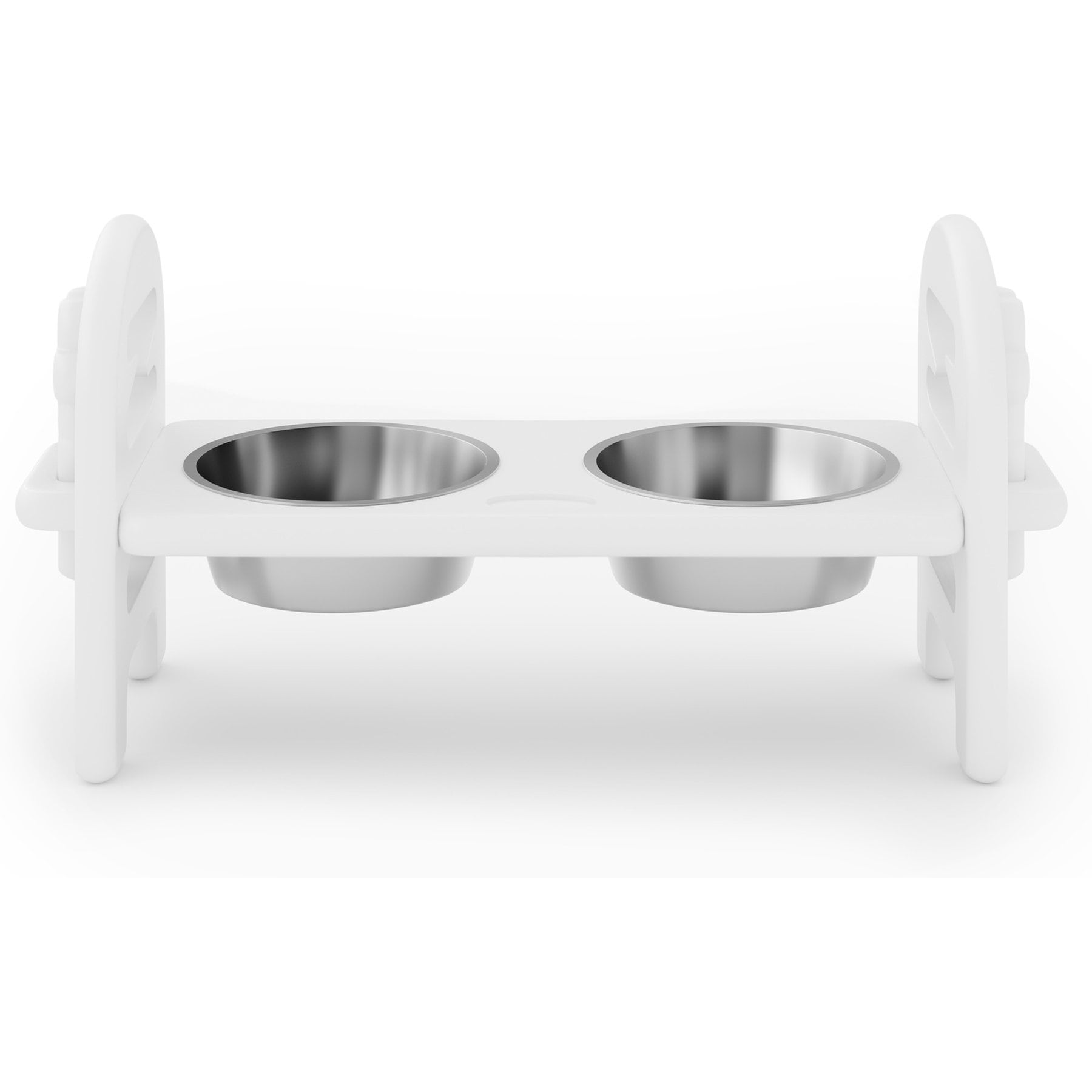
The listing describes an adjustable-height, collapsible stand made from recycled poly lumber, with a 2-cup bowl.
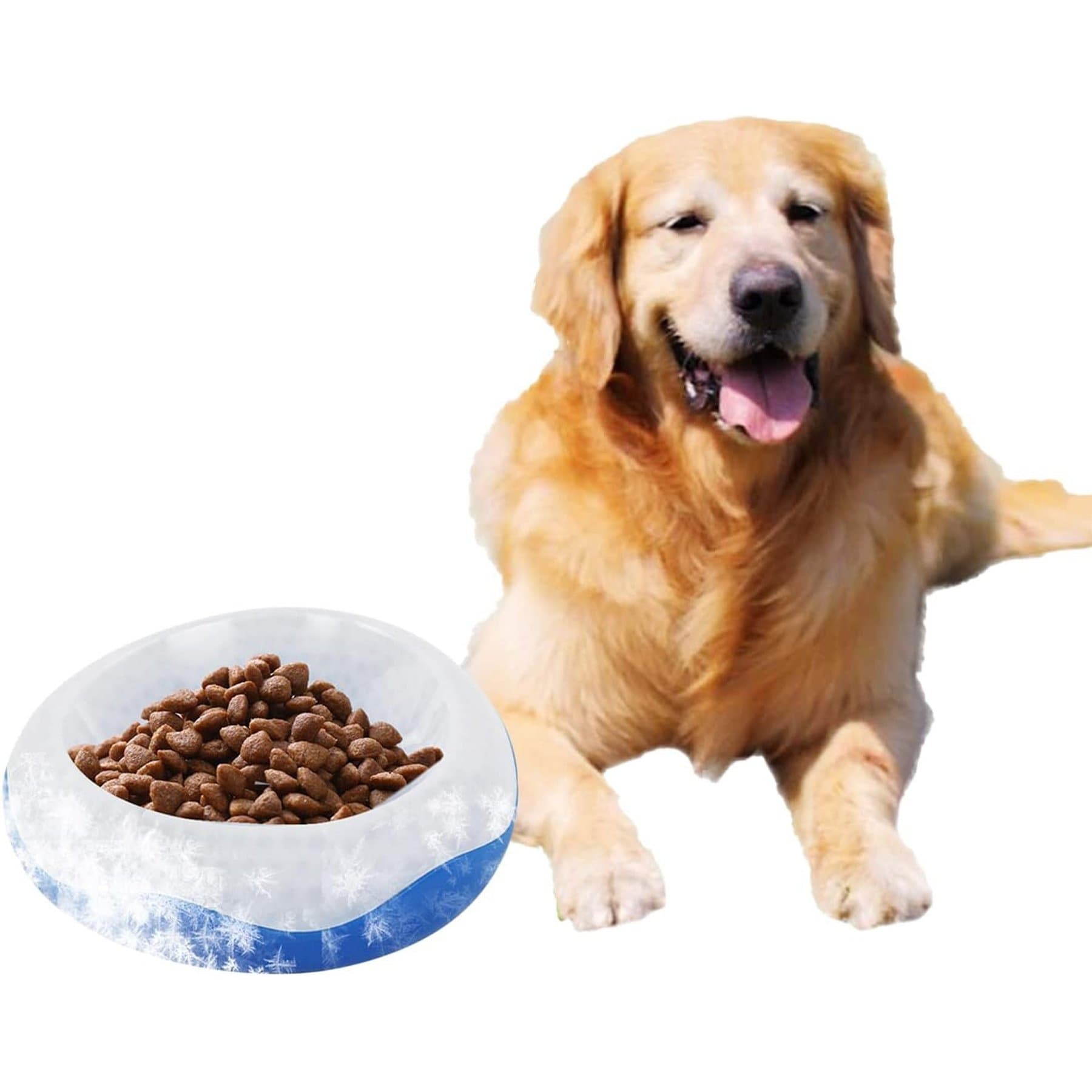
The listing describes a 6-cup bowl with a gel core meant to keep water cool for up to eight hours, and a slide-resistant base.
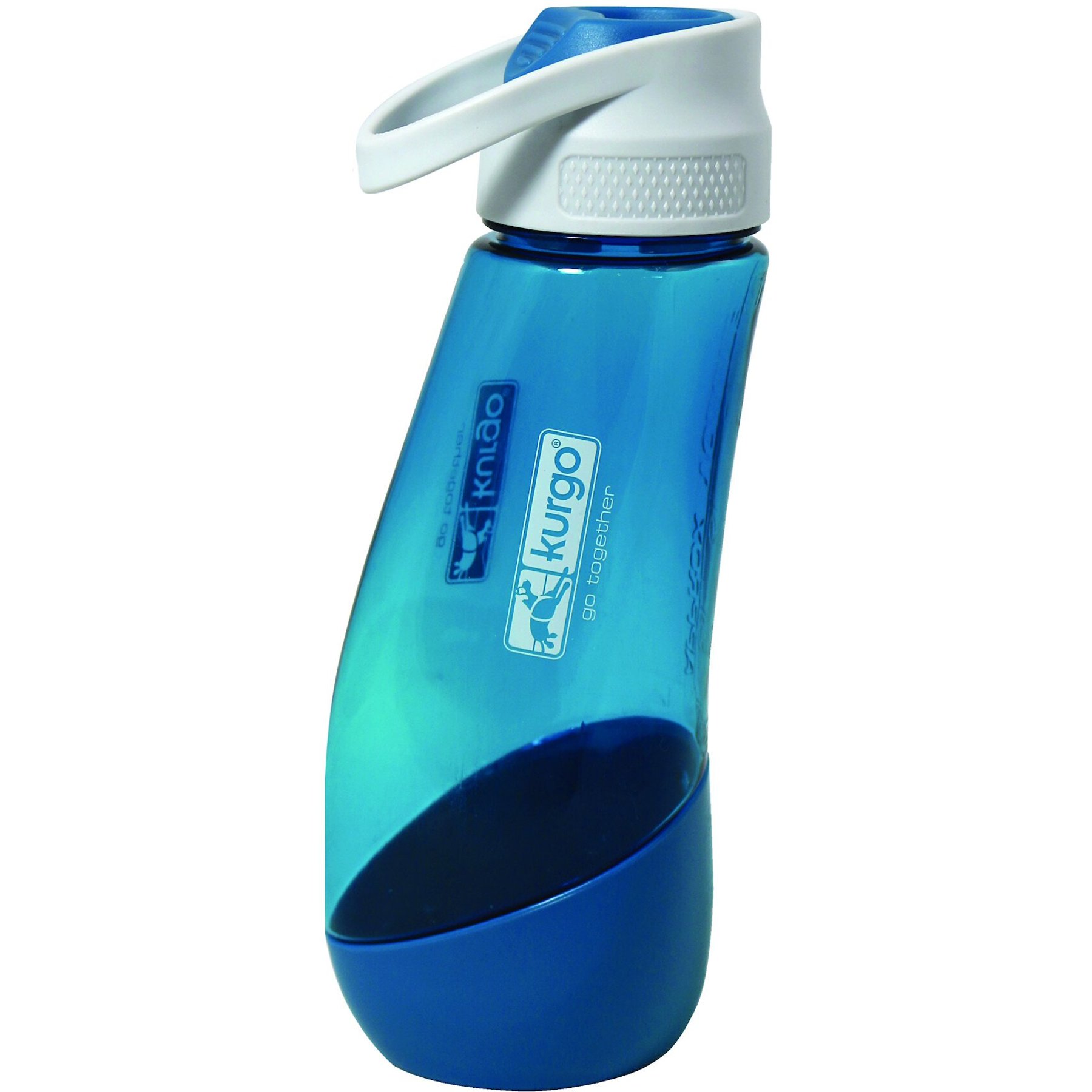
For walks and car trips, a bottle that pours into an attached cup means the dog does not need to lap from a curb or a stranger's hose.
This listing is no longer available.
When plain water is not enough
For long hikes above 85°F, or after a bout of vomiting or diarrhea, an oral electrolyte your vet approves can help, but only under vet guidance. Human sports drinks are too high in sugar and sodium for canine kidneys. If your senior dog is refusing water entirely, that is a same-day vet visit, not a hydration-hack problem.
The ASPCA's hot weather safety page lists heatstroke signs that overlap with severe dehydration; know both.
What to skip
- Home "cooling protocols" as a substitute for a vet visit in a dog you suspect is overheating. Modern emergency-vet guidance is to wet the coat with cool (not ice-cold) tap water on the belly, groin, and paws and get to a clinic: do not delay transport to keep cooling at home.
- Flavored water additives marketed for hydration. Most add calories a senior does not need and do not change intake in controlled tests.
- Distilled water as a daily drink. It lacks trace minerals present in tap and filtered water; use it only if your vet has flagged specific mineral concerns.
For a broader view of feeding and bowl setups that pair with a hydration routine, our dog bowl shelf filters by height and material.
FAQ
Frequently asked
How can I tell if my senior dog is drinking enough?
Measure it. Fill the bowl to a marked line each morning and check what is left 24 hours later. Aim for roughly 1 oz per pound of body weight, adjusted upward in heat or on kibble-only diets.
Are pet water fountains worth it for a senior dog?
Often yes. Fountains raise intake in dogs that prefer moving water and mask the metallic taste some seniors become more sensitive to. Clean the pump weekly: biofilm builds up fast and can put a dog off drinking.
My senior dog stopped drinking after starting a new medication. Is that normal?
It can happen with some NSAIDs and with gabapentin, but reduced intake is never something to wait out in a senior. Call the prescribing vet within 24 hours: a dose adjustment or a switch usually fixes it.
Featured in this guide
The picks referenced above—priced and in stock at time of publication.
Affiliate links. Prices and availability change—we filter unavailable items nightly, but the retailer's page is source of truth.
Keep reading
summer safety travel
Dog Booties for Hot or Rough Ground: When Boots Beat Paw Wax
summer safety travel
Portable Dog Beds for Camping: Cots, Pads, and Travel Beds
summer safety travel
Tick Prevention Buying Guide: Preventives, Daily Checks, and Gear
summer safety travel
Dog Life Jackets by Size: How to Pick One That Fits
summer safety travel
Best Cooling Mats for Dogs in Summer: A Buyer's Guide
summer safety travel
Travel Water Bottles for Dogs: How to Choose the Best One
Discussion
Talk about Hydration Tips for Senior Dogs in Heat: Intake, Warning Signs, and Gear
Real questions from real pet owners. Add yours—signed-in members only, first three posts held for review.
Loading threads…