Paw Protection for Hot Pavement: A Summer Safety Guide
Learn how to protect your dog from asphalt burns using timing, protective gear, and topical barriers during high summer temperatures.
petsupplies.co earns a commission if you buy through the product links on this page, and the price you pay is the same either way.

Summer temperatures turn standard asphalt and concrete into heat-retaining hazards that can cause immediate injury to a dog's footpads. While humans rely on insulated footwear, dogs require intentional intervention to prevent thermal burns during midday walks. Understanding the threshold for heat safety is the first step in effective summer care.
The Seven-Second Test and Prevention Basics
Pavement temperatures often exceed ambient air temperature by forty degrees or more. To determine if the ground is safe, place the back of your hand firmly against the walking surface for seven seconds. If the heat is uncomfortable or forcing you to pull away, it is too hot for a dog to walk on. Effective prevention begins with adjusting your schedule to avoid peak sun hours between 10:00 AM and 6:00 PM. Whenever possible, transition activity to grass or shaded dirt paths which retain significantly less heat than artificial surfaces.
Choosing Paw Protection for Hot Pavement
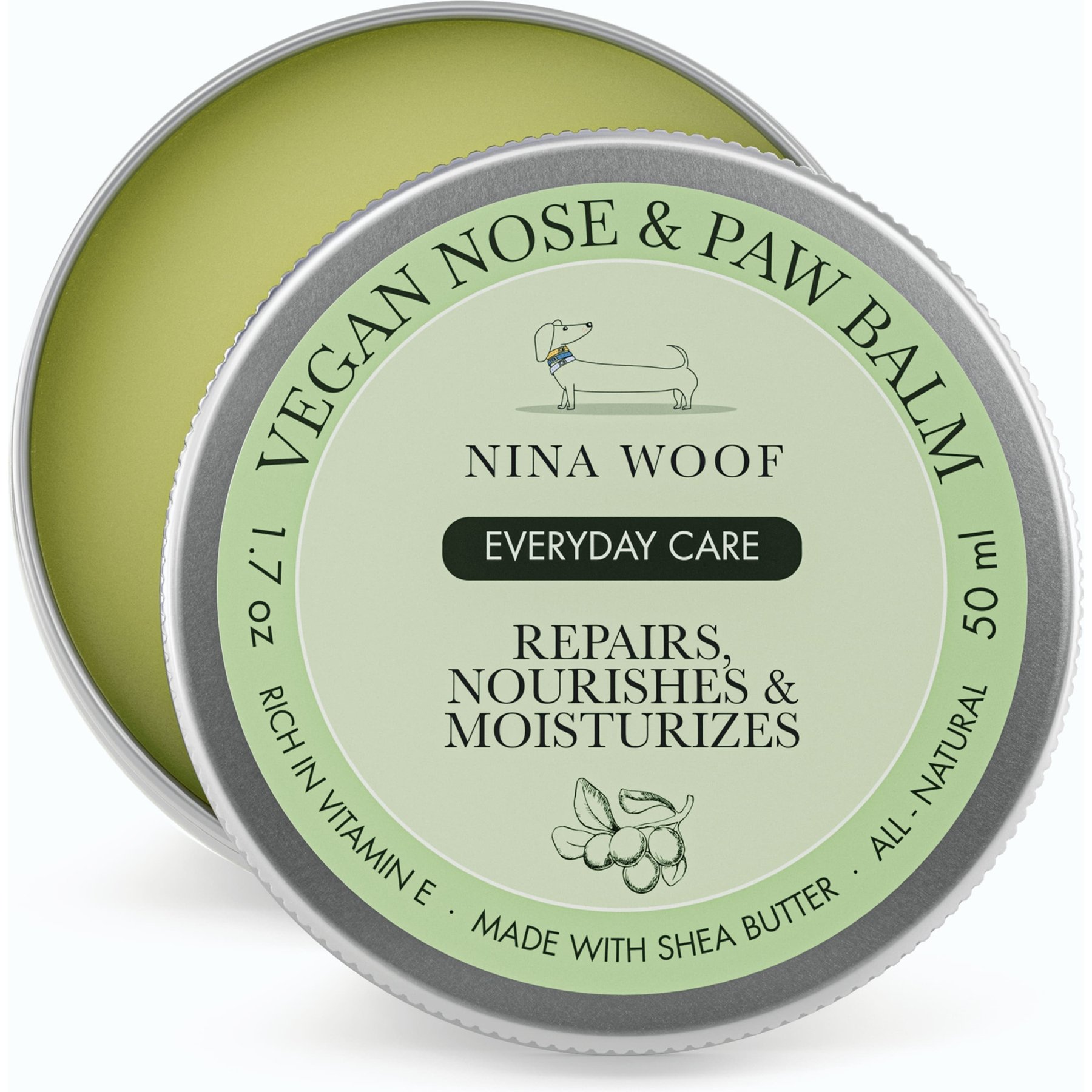
When walking on hot surfaces is unavoidable, physical barriers are the most reliable defense. Protective gear generally falls into two categories: footwear and topical waxes. Properly fitted boots with rubberized soles provide a total barrier against heat, though they require a break-in period for the dog to adjust their gait. For dogs that refuse footwear, a dense paw wax can provide a thin layer of insulation. While wax is less effective than a solid sole for prolonged contact, it may help during short transitions across hot areas.
What to Look For
When evaluating summer paw gear, prioritize materials that balance heat resistance with breathability. Look for these specific traits in your selection:
- High-traction rubber soles that mimic the natural flex of the paw.
- Mesh or perforated upper materials to allow heat to escape the footbed.
- Adjustable Velcro or cinch straps to prevent the boot from rotating during movement.
- Reflective strips for visibility during early morning or late evening walks.
- Non-toxic, food-grade ingredients in waxes, for safety if licked.
Implementation and Sizing Framework
Choosing the right solution depends on your environment and the dog's tolerance. For urban environments with constant pavement contact, a structured boot with a durable sole is the standard recommendation. For light suburban use where grass is readily available, a wax or lightweight disposable boot may suffice. Sizing is critical for boots; measure the widest part of the paw while the dog is standing and putting full weight on the foot. A loose boot causes friction burns, while a tight one restricts circulation. Budget tiers range from inexpensive disposable sets to high-performance technical gear meant for hiking.
Common Mistakes to Avoid
- Overestimating the protection of darkened or "toughened" pads on older dogs.
- Ignoring the signs of overheating, as boots reduce heat dissipation through the paw pads, which is one of the limited ways dogs shed heat besides panting.
- Leaving boots on for extended periods indoors where paws need to breathe.
- Skipping the seven-second test because the air feels breezy or cool.
When to Talk to Your Vet
If you notice your dog limping, licking their paws excessively, or if the pads appear discolored or blistered after a walk, contact a veterinarian immediately. Paw burns are prone to infection and often require professional cleaning and bandaging. A vet-reviewed treatment plan generally includes topical ointments and pain management. For help selecting specific gear types based on your dog's activity level, you can use the Pet Supply Picker to narrow your search.
Bottom Line
Paw safety requires a proactive approach rather than a reactive one. By combining behavioral changes like timing adjustments with physical tools like boots or waxes, you can maintain your dog's exercise routine without risk of injury.
Authoritative references
- American Veterinary Medical Association: Don't let your dog feel the burn this summer
- American Kennel Club: How to protect dog paws from hot pavement
- American Veterinary Medical Association: Hot weather safety for pets
FAQ
Frequently asked
How hot does pavement get in the sun?
On an 85-degree day, asphalt can reach temperatures over 120 degrees, which is hot enough to cause skin damage in minutes.
Do dog boots cause overheating?
Dogs dissipate heat through their paws, so boots should be removed as soon as the dog is off the hot surface to allow for thermal regulation.
Can I use human shoes on my dog?
No, human shoes do not account for the anatomy of a dog's paw and can cause significant joint strain or abrasions.
How do I know if the paw wax is working?
Waxes should be applied in a thick layer before the walk; if the dog is still lifting their feet or seeking shade, the wax is likely insufficient for the current temperature.
Featured in this guide
The picks referenced above—priced and in stock at time of publication.
Affiliate links. Prices and availability change—we filter unavailable items nightly, but the retailer's page is source of truth.
Keep reading
summer safety travel
Dog Booties for Hot or Rough Ground: When Boots Beat Paw Wax
summer safety travel
Cat Carriers for Vet Visits: Why Top-Loading Hard-Sided Carriers Win
summer safety travel
Portable Dog Beds for Camping: Cots, Pads, and Travel Beds
summer safety travel
Hydration Tips for Senior Dogs in Heat: Intake, Warning Signs, and Gear
summer safety travel
Tick Prevention Buying Guide: Preventives, Daily Checks, and Gear
summer safety travel
Dog Life Jackets by Size: How to Pick One That Fits
Discussion
Talk about Paw Protection for Hot Pavement: A Summer Safety Guide
Real questions from real pet owners. Add yours—signed-in members only, first three posts held for review.
Loading threads…