Puppy Starter Kit: Essential Items for New Owners
A simplified guide to the durable equipment and health supplies required for a puppy's first month in a new home.
petsupplies.co earns a commission if you buy through the product links on this page, and the price you pay is the same either way.

Bringing a new puppy home requires more than just enthusiasm; it requires a functional environment that supports house training and safety. Practical preparation reduces stress for the animal and prevents damage to the home during the transition phase. This guide focuses on the durable goods and high-utility supplies that form the foundation of a responsible puppy starter kit.
Crate and Sleeping Arrangements
A crate serves as a management tool for house training and a secure space for a puppy to rest. Most trainers recommend a wire crate with a divider panel that allows the interior space to grow alongside the dog. If the crate is too large, a puppy may use one corner as a bathroom; if too small, they cannot stand or turn around comfortably. Plastic airline-style kennels offer more privacy but lack the visibility and airflow of wire models. Washable bedding is a necessity, preferably with a waterproof liner, as accidents are common in the first weeks. Avoid high-pile sheepskin or luxury fabrics until the puppy has moved past the destructive chewing phase.
This listing is no longer available.
Food Bowls and Initial Nutrition
Stainless steel or ceramic bowls are typically superior to plastic options, which can harbor bacteria in surface scratches. Look for weighted bottoms or silicone non-slip bases to prevent the puppy from flipping the bowl during high-energy feeding sessions. For nutrition, vet-reviewed sources suggest starting with the specific formula used by the breeder or shelter to avoid digestive upset. If you intend to switch brands, do so gradually over seven to ten days by mixing the old and new food. Slow-feeder inserts are useful for breeds prone to bolting their food, as these help prevent bloat and encourage focus during mealtimes.
Harnesses Leashes and Identification
A flat nylon collar with a secure buckle is standard for daily wear, but a front-clip harness often gives better control for puppies that pull during leash training. Avoid retractable leashes for young dogs; a fixed six-foot nylon or leather leash allows for consistent communication and safer walking distances. Identification is mandatory for safety. Check that a lightweight tag includes your current phone number and verify that the puppy is microchipped. Some owners prefer reflective stitching on gear for better visibility during early morning or late night bathroom breaks.
This listing is no longer available.
Chews and Teething Management
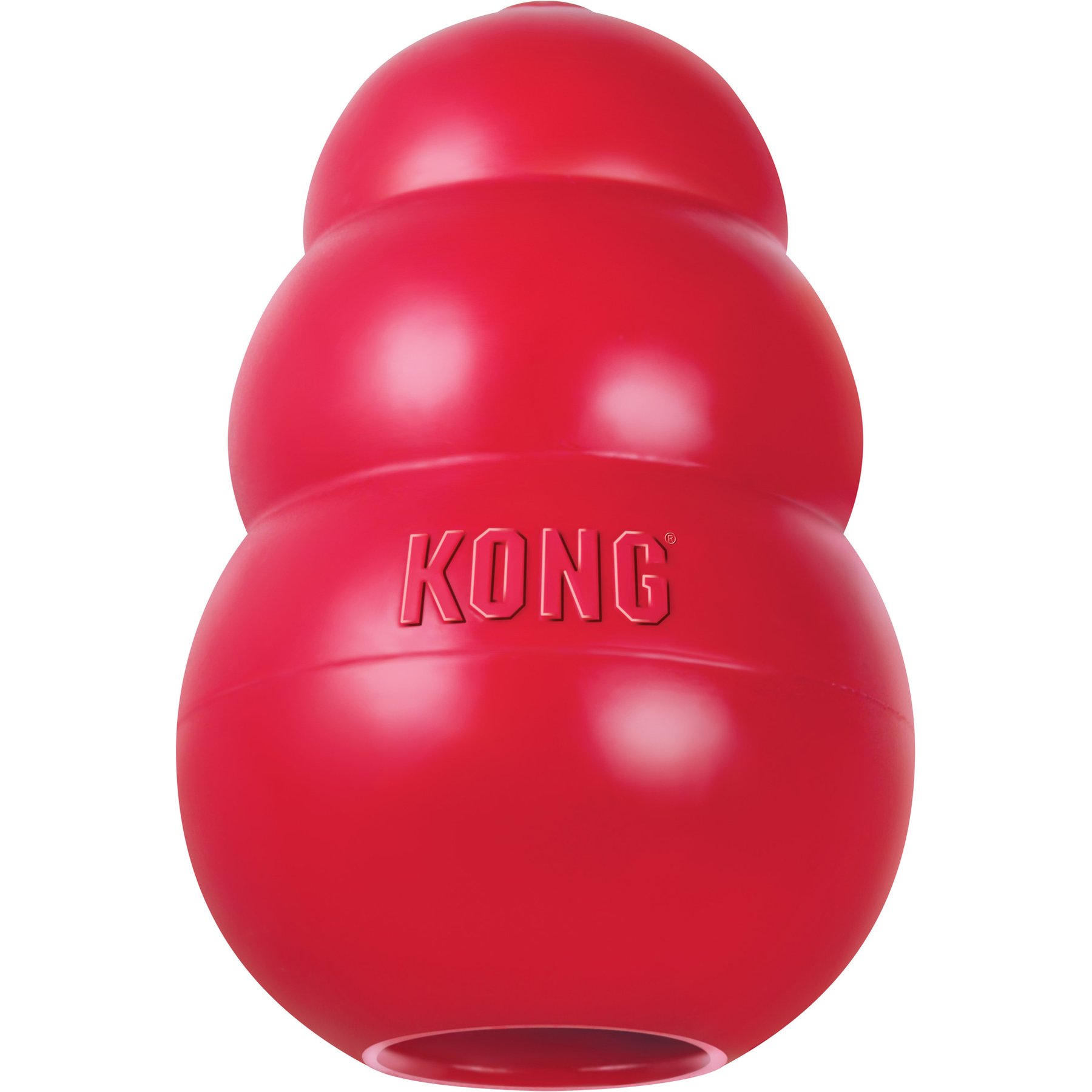
Puppies explore their world with their mouths, making appropriate chew outlets essential to protect furniture and fingers. Hard rubber toys that can be stuffed with wet food or pumpkin provide mental stimulation and can be frozen to soothe inflamed gums. Avoid natural bones or rawhides that may splinter or present choking hazards for unsupervised puppies. Teething specific items are generally made of softer materials than adult chews to accommodate developing teeth. Rotating these items every few days keeps the puppy engaged and prevents boredom-driven destruction of household items.
What to Look For
Selecting gear requires a focus on durability and safety over aesthetics. When evaluating puppy starter kit essentials, use these criteria to judge quality and longevity:
- Non-porous materials like stainless steel or high-grade silicone for hygiene.
- Breakaway or quick-release buckles on collars for safety.
- Machine-washable fabrics for all bedding and crate mats.
- Adjustable components in crates and harnesses to accommodate rapid growth.
- Non-toxic certifications on any rubber or plastic toys meant for chewing.
Budget and Need Framework
Budget requirements vary based on the breed's size and the owner's lifestyle. A basic tier includes a crate, one leash, two bowls, and a single bag of food. A mid-range setup adds a dedicated training harness, a variety of textures for teething, and professional-grade grooming brushes. The higher-priced tier might include GPS tracking collars, custom orthopedic bedding, and advanced enrichment puzzles. Regardless of the budget, the priority should be the crate and a secure leash, as these are the primary tools for safety and management during the first 48 hours.
Common Mistakes
- Buying adult-sized gear without adjustment points, which can lead to escapes or injury.
- Purchasing a large quantity of a specific food before confirming the puppy’s digestive system tolerates it.
- Over-investing in plush toys that are easily shredded and swallowed by aggressive chewers.
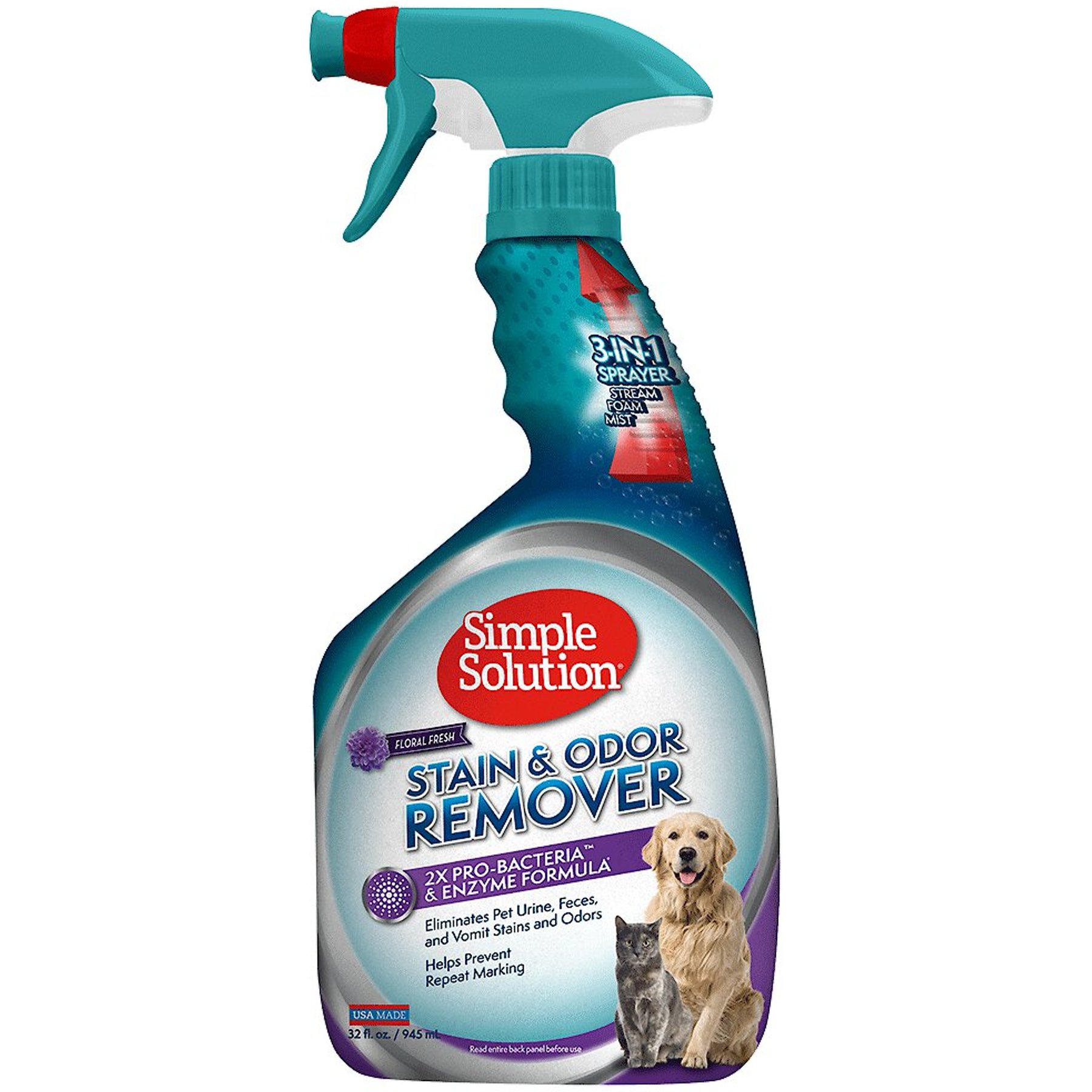
- Neglecting to buy an enzyme-based cleaner specifically for pet accidents, which is necessary to remove scents that attract repeat incidents.
Bottom Line
A successful transition for a new puppy depends on providing clear boundaries and the right physical tools. By focusing on the Pet Supply Picker and prioritizing durability over trends, you can get your home ready for the challenges of the first month. Well-made basics generally prove more cost-effective than budget items that require immediate replacement.
When to Talk to Your Vet
Schedule an initial wellness exam within the first 72 hours of bringing your puppy home. Discuss a vaccination schedule, parasite prevention, and the appropriate age for spaying or neutering. If your puppy exhibits signs of lethargy, persistent diarrhea, or a refusal to eat for more than twelve hours, contact a professional immediately. Your vet can also provide specific caloric intake recommendations based on the dog's projected adult weight.
Authoritative references
- American Veterinary Medical Association: Selecting a pet dog
- American Animal Hospital Association: Pet owner resources
- American Veterinary Medical Association: Preparing for your pet's arrival
FAQ
Frequently asked
What size crate should I buy for a puppy?
Select a crate based on the dog's projected adult size, but check that it includes a divider panel. The divider allows you to limit the space while they are young so they do not soil one end of the crate.
Is a harness better than a collar for a puppy?
A collar is necessary for holding ID tags, but a harness is often safer for walking training. Harnesses distribute pressure across the chest rather than the neck, which helps prevent tracheal damage in small or pulling breeds.
How many toys does a puppy actually need?
You do not need a large volume, but rather a variety of textures. Aim for one hard rubber toy, one soft fabric toy (supervised), and one flavored teething ring to keep them stimulated.
When can I stop using the puppy starter kit gear?
Most puppies outgrow their starter gear between six and twelve months. Transition to adult equipment once the dog has reached their full skeletal height and has successfully completed house training.
Featured in this guide
The picks referenced above—priced and in stock at time of publication.
Affiliate links. Prices and availability change—we filter unavailable items nightly, but the retailer's page is source of truth.
Keep reading
fall
Back-to-School Separation Anxiety in Dogs: A Vet-Backed Protocol and Kit
summer
Freeze-Safe Dog Treat Recipes: Safe Ingredients, Smart Portions
new year basics
Dog Food Transition Guide: Four Days Suits Most Dogs, Sensitive Stomachs Need Longer
back to school routine
Enrichment for Working Owners: Redistributed Time, Not a Drawer of Toys
new year basics
Cat Food Transition Guide: Switch Slowly, and Never Let a Cat Stop Eating
new year basics
Dog Treats: Biscuits, Jerky and Chews Sorted by Calories, Texture and Chewing Style
Discussion
Talk about Puppy Starter Kit: Essential Items for New Owners
Real questions from real pet owners. Add yours—signed-in members only, first three posts held for review.
Loading threads…