Travel Water Bottles for Dogs: How to Choose the Best One
Selecting the best travel water bottles for dogs requires balancing portability with your dog's hydration needs during summer travel and hiking.
petsupplies.co earns a commission if you buy through the product links on this page, and the price you pay is the same either way.

Maintaining hydration during summer travel is a primary safety concern for dog owners. Active dogs require consistent access to clean water to regulate their body temperature, especially when away from home. Choosing the best travel water bottles for dogs involves evaluating mechanical reliability, material safety, and ease of use in transit.
Comparison of Common Bottle Designs
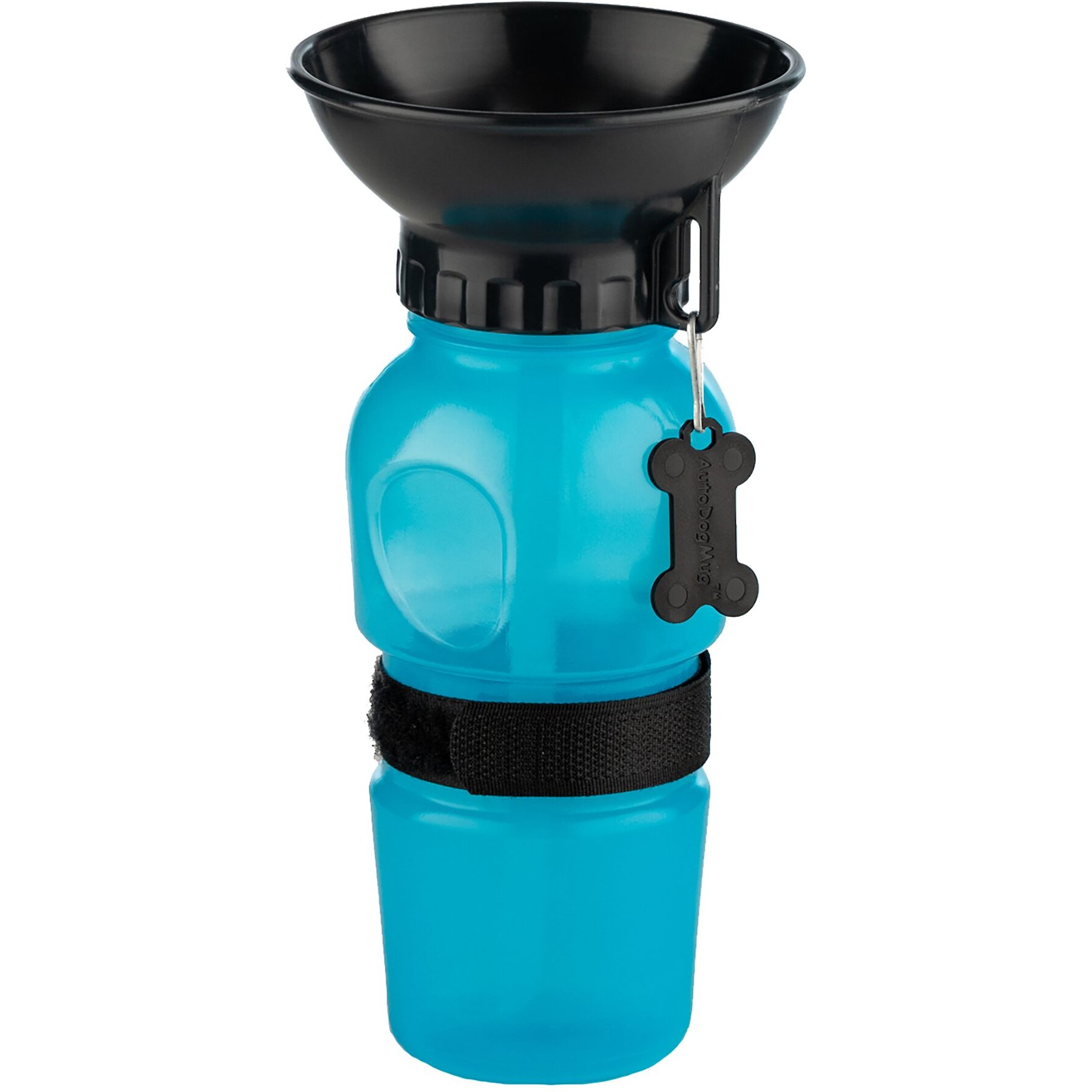
Travel water bottles generally fall into three design categories: squeeze-trough, flip-out tray, and separate collapsible bowls. Squeeze bottles are built for one-handed operation where pressure forces water into a top-mounted bowl. This design allows you to return unused water to the bottle by releasing pressure, though this can introduce backwash and bacteria into the main reservoir. Flip-out tray models use a shallow trough that folds against the side of the bottle when not in use. These are typically more space-efficient for packing but may have narrower drinking areas that larger breeds find uncomfortable. Collapsible bowls paired with a standard stainless steel bottle offer the most hygienic experience, as the water source remains uncontaminated by saliva, but they require two hands to set up and manage during a walk.
Capacity and Use Case Framework
Selecting a bottle depends on the duration of your trip and the size of your dog. For short neighborhood walks under thirty minutes, a 10-ounce to 15-ounce bottle is generally sufficient for small to medium dogs. Long-distance hiking requires high-capacity reservoirs, often 25 ounces or more, particularly in high-heat environments. Car travel prioritizes leak-proof seals over weight. For vehicle use, a bottle with a secondary locking switch is preferable to prevent spills on upholstery. If your dog is over 60 pounds, prioritize wide-mouth troughs; narrow attachments can prevent deep-chested breeds from lapping effectively, leading to wasted water and dehydration.
What to Look For
When evaluating a travel bottle, prioritize durability and utility rather than aesthetics. Reliable gear should withstand drops on trail terrain without cracking or leaking.
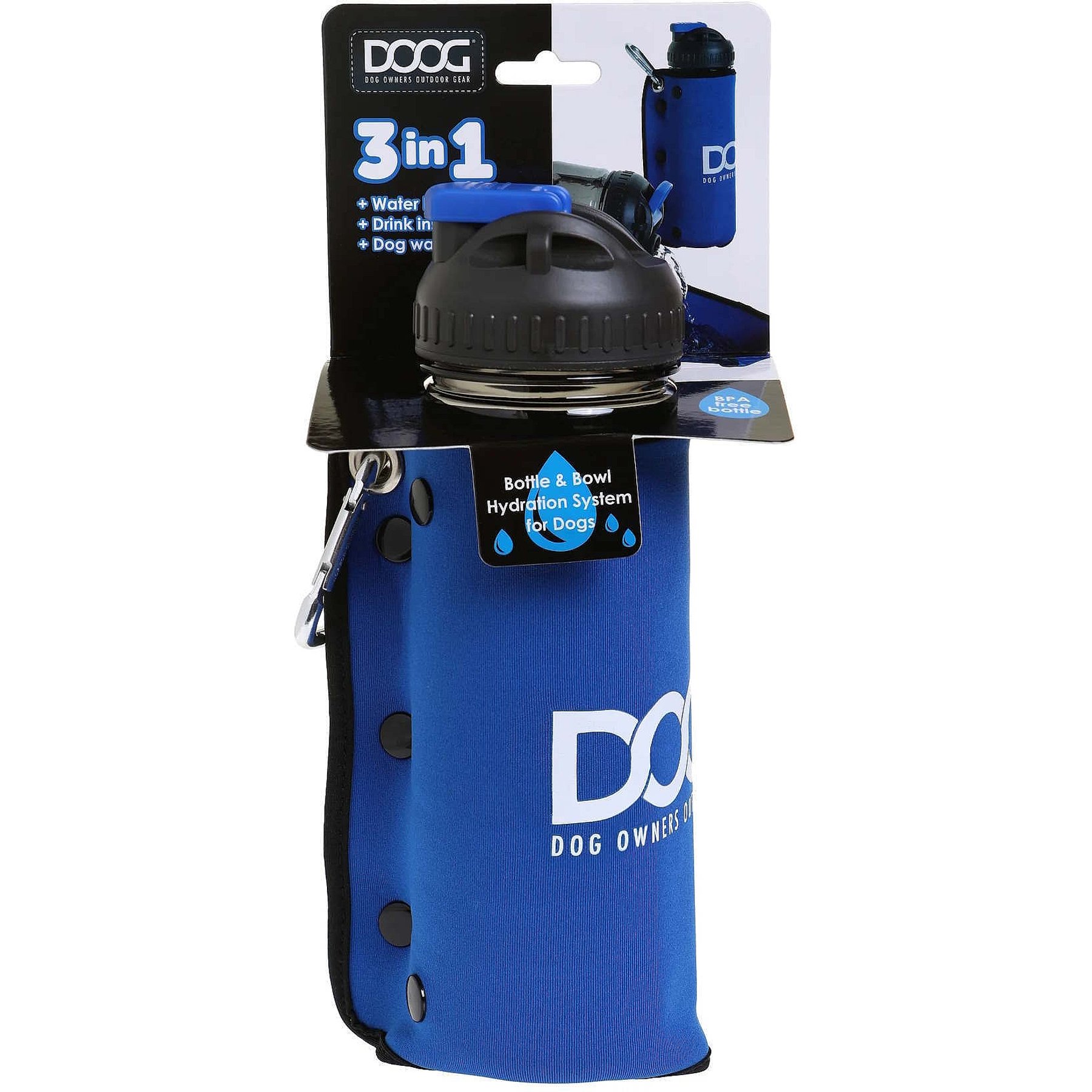
- Food-grade materials: Look for BPA-free plastics or food-grade stainless steel so no chemicals leach into the water during heat exposure.
- One-handed operation: Models with a button or squeeze trigger allow you to maintain control of the leash while dispensing water.
- Waste reduction: Search for designs that allow drainage of unused water back into the bottle to conserve the supply on long trails.
- Leak-proof seals: Silicone gaskets and locking mechanisms are necessary to prevent the bottle from emptying inside a backpack.
- Portability attachments: Integrated clips or wrist straps help secure the bottle to a belt or pack for hands-free carrying.
Common Mistakes
- Choosing a bottle that is too small for the dog's weight. Large dogs require significantly more water per mile than small breeds, especially in sun.
- Neglecting to clean the seals. Biological film can build up in the silicone rings, leading to bacterial growth and foul odors that may discourage your dog from drinking.
- Forgetting to test the flow rate. Some squeeze models require significant hand strength that may be difficult to maintain during a long hike.
When to Talk to Your Vet
Consult your veterinarian if your dog shows a sudden change in thirst levels or refuses to drink from portable containers during travel. Persistent panting, dry gums, or lethargy can be signs of heat exhaustion or dehydration that require professional intervention. A vet can provide specific guidance on the exact volume of water your dog needs based on their health history and activity level. For more gear recommendations matched to your dog's lifestyle, visit the Pet Supply Picker.
Bottom Line
The most effective travel bottle is one that matches your specific activity. A lightweight squeeze-style bottle is often best for hikers, while a heavy-duty stainless steel bottle with a lid-bowl combo is superior for long road trips and camping where durability is the priority.
Authoritative references
- American Veterinary Medical Association: Hot weather safety for pets
- American Veterinary Medical Association: Preventing overheating in dogs
FAQ
Frequently asked
How much water does a dog need during a hike?
Vet-reviewed sources generally suggest offering 4 to 8 ounces of water per hour of activity, though this varies based on temperature and the dog's size.
Are stainless steel dog bottles better than plastic?
Stainless steel usually lasts longer and is better at keeping water cool, while plastic is lighter and more affordable for short trips.
Can I share my own water bottle with my dog?
It is generally safer to use a dedicated bottle for your dog to prevent the spread of bacteria and so they have an appropriately shaped bowl for drinking.
How should I clean a travel water bottle?
Most bottles should be hand-washed with warm soapy water after every use, paying close attention to the seals and the drinking trough.
Featured in this guide
The picks referenced above—priced and in stock at time of publication.
Affiliate links. Prices and availability change—we filter unavailable items nightly, but the retailer's page is source of truth.
Keep reading
summer safety travel
Dog Booties for Hot or Rough Ground: When Boots Beat Paw Wax
summer safety travel
Portable Dog Beds for Camping: Cots, Pads, and Travel Beds
summer safety travel
Hydration Tips for Senior Dogs in Heat: Intake, Warning Signs, and Gear
summer safety travel
Tick Prevention Buying Guide: Preventives, Daily Checks, and Gear
summer safety travel
Dog Life Jackets by Size: How to Pick One That Fits
summer safety travel
Best Cooling Mats for Dogs in Summer: A Buyer's Guide
Discussion
Talk about Travel Water Bottles for Dogs: How to Choose the Best One
Real questions from real pet owners. Add yours—signed-in members only, first three posts held for review.
Loading threads…