Cat Carriers for Vet Visits: Why Top-Loading Hard-Sided Carriers Win
A vet visit is stressful before you even leave the house. The carrier you pick (and how you introduce it) decides whether the trip starts with a struggle or a settled cat.
petsupplies.co earns a commission if you buy through the product links on this page, and the price you pay is the same either way.

Cats do not decompress the way dogs do. A stressful loading, a sliding carrier in the back seat, and a fluorescent waiting room stack on top of each other, and by the time the vet opens the door your cat is already at the ceiling of their tolerance. Most of that stress is fixable at the carrier stage.
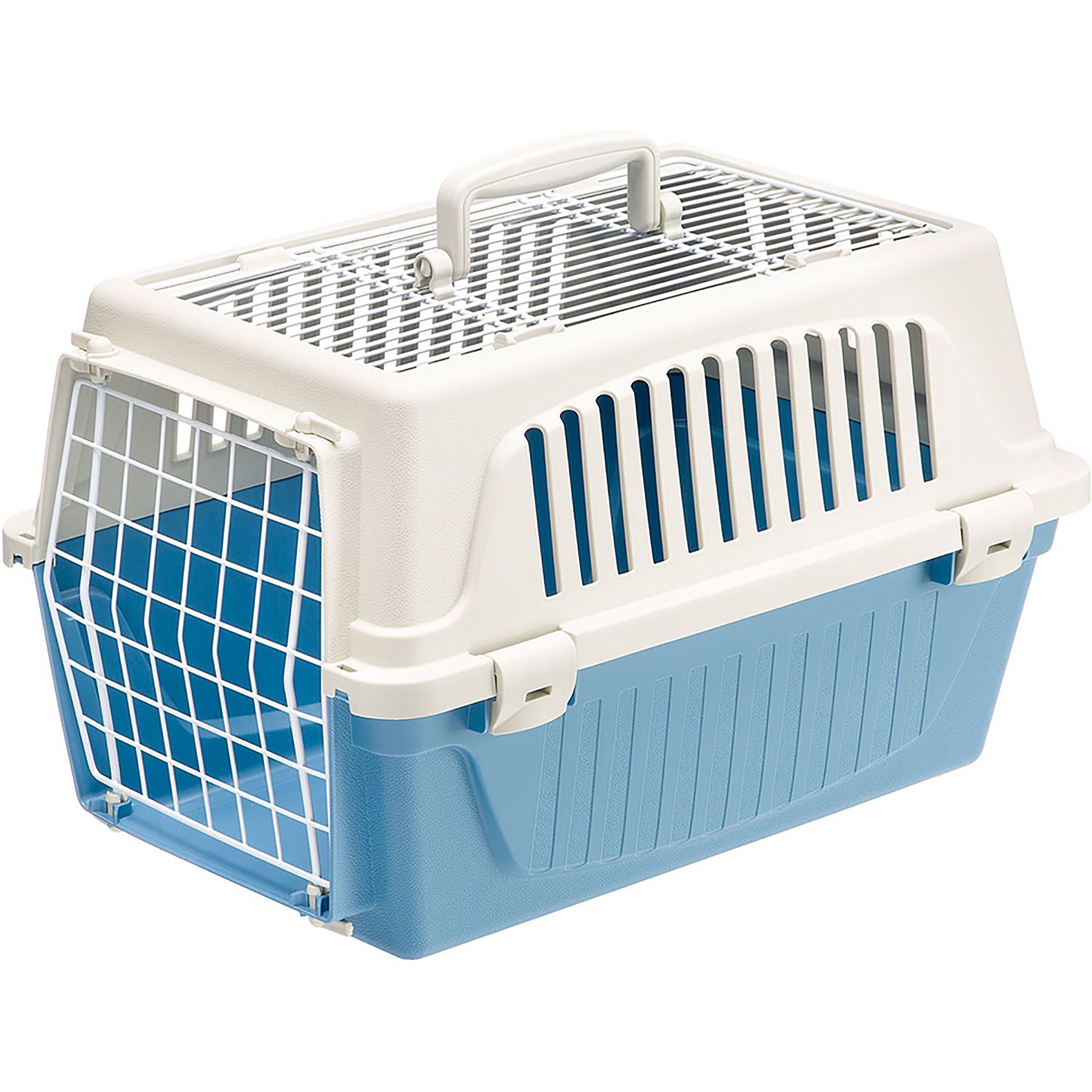
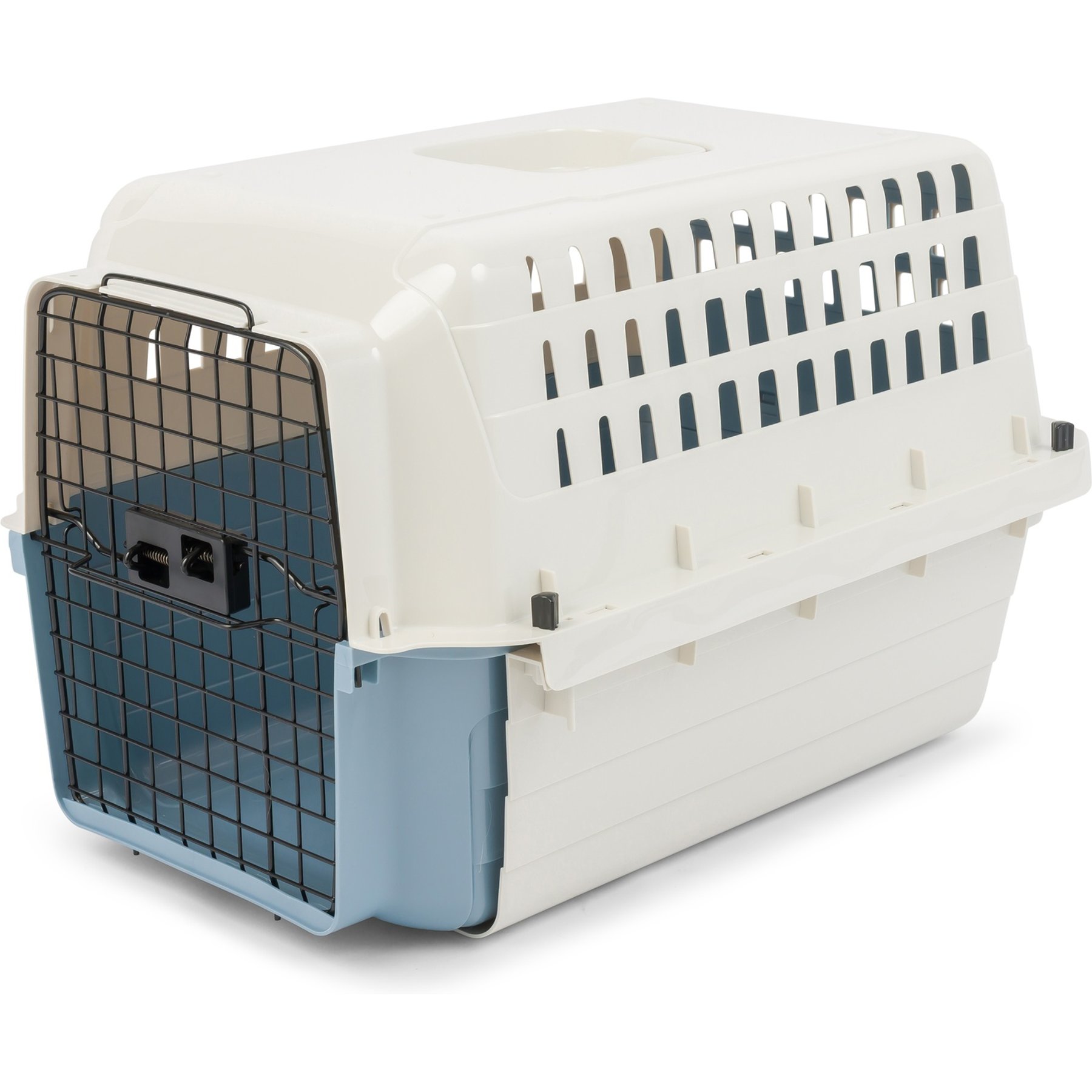
The 2022 AAFP/ISFM Cat Friendly Veterinary Environment Guidelines are explicit about what to look for: a hard-sided carrier with a top that opens or lifts off, sized so the cat can stand and turn, and stable enough that it does not sway when carried. Everything below is downstream of that.
Why top-loading, hard-sided wins for the vet
A frightened cat will brace against the walls and refuse to come out the front door. Yanking them out by the scruff is exactly what the last twenty years of feline-handling guidance was written to stop. A removable or hinged top lets your vet:
- Examine your cat with the bottom half of the carrier still around them, which many cats accept without resistance.
- Lift the cat straight up rather than pulling them out horizontally.
- Return the cat to a familiar space between exam steps.
Soft-sided carriers collapse under a cat that pushes up, muffle voices, and make top access clumsy. They still have a place for short cabin flights on small confident cats, but as the default vet-visit carrier they are the wrong tool.
The one that solves the "won't come out" cat
For cats that flatten themselves against the back wall the moment the carrier hits the exam table, a sliding-drawer design changes the geometry: the cat stays put while the carrier walls slide out from around them. It is a small handling change that removes an entire fight from the visit.
Reduce carrier association before the appointment
The AAFP guidelines and Fear Free Pets both put desensitization above product choice. A great carrier used cold on appointment morning still triggers fear. A mediocre carrier that has been sitting in the living room for three weeks with a blanket and treats inside often does not.
Two rules that carry most of the weight:
- Leave the carrier out full-time in a room the cat already sleeps in. Door open, familiar bedding inside, occasional treat placed just inside the entrance. Do not force entry.
- Spray Feliway Classic (synthetic feline facial pheromone) inside the carrier 15 minutes before loading on visit day. It is not a sedative; it is a low-risk cue that reduces baseline arousal in a subset of cats.
Do not clean the carrier with citrus or ammonia products between visits. Both smell aversive to cats. Warm water and unscented soap, air-dried, keeps the familiar-scent effect intact.
What "airline approved" does and doesn't mean
"Airline approved" is a marketing phrase, not a certification. Every US airline sets its own maximum under-seat dimensions and each publishes them separately. A carrier that fits Delta may not fit United. If you are flying, measure your target airline stated under-seat opening (not the dimensions of the carrier the airline sells) before buying anything. For vet visits specifically, airline compliance is irrelevant.
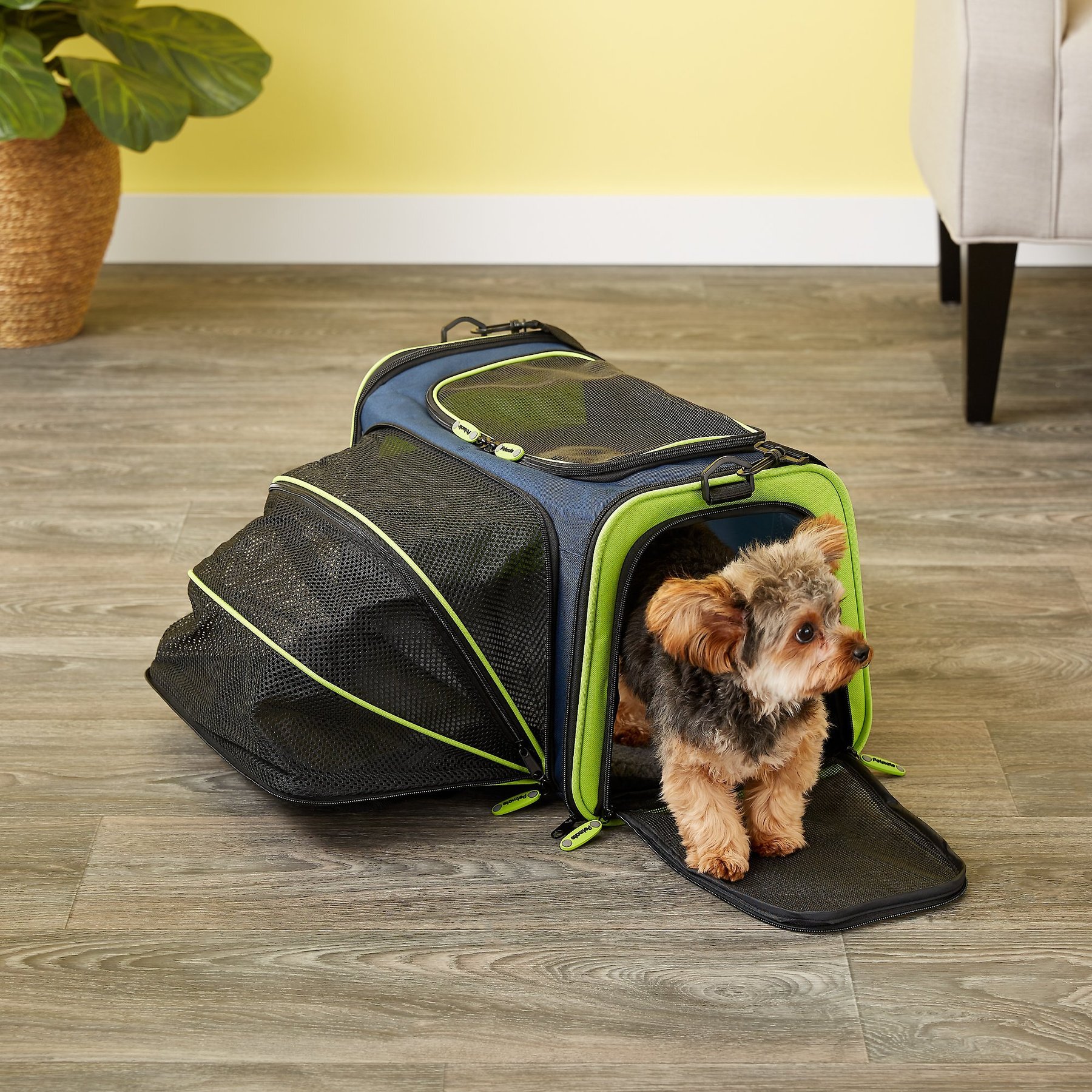
The extendable soft-sided option below is genuinely useful for the waiting-room portion of a longer visit (the extension gives an anxious cat more floor space when you are stuck in a lobby for 30 minutes) without giving up the front-load mesh viewing panel most cats prefer to a closed wall.
Crash safety, honestly
An unsecured carrier in a car crash becomes a projectile. Even a routine hard stop can throw a 12-pound cat into the seat back with enough force to cause soft-tissue injury. The minimum standard is to route your seat belt through the carrier handle or dedicated belt channel and click it in on every trip, including the ten-minute one.
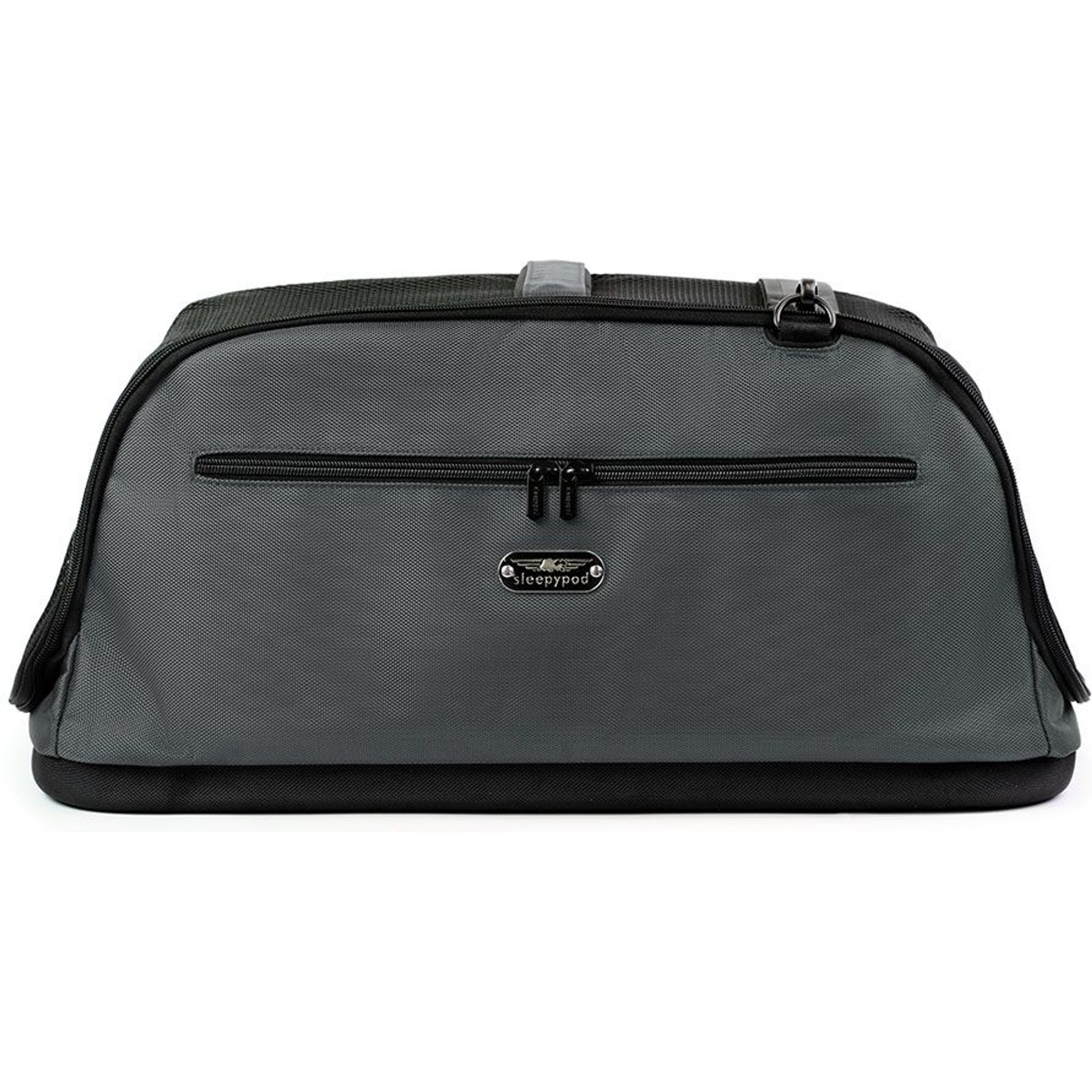
Beyond that, only a small subset of carriers are built and tested for crash forces. Sleepypod publishes its own crash-test footage for its cat carriers, and the Sleepypod Mobile Pet Bed and Atom are on the Center for Pet Safety certified list. The Sleepypod Air below is the same brand's soft carrier line, useful for owners who want both the brand's crash-test engineering and an airline-cabin-shaped carrier for occasional flights. It is a high price point and not the right pick if your visits are strictly local: the Ferplast above does the job for most cats.
What to skip
- Purse-style carriers with a single top zipper. The cat has no exam-side access and the shape sways as you walk, which most cats hate.
- Any carrier that requires you to tip it to get the cat out. Tipping loses the top-access advantage and stresses cats who are already stressed.
- Sedatives given at home without vet direction. Trazodone and gabapentin are commonly prescribed pre-visit, but dose and timing are cat-specific. Ask your vet at the previous visit so you have a plan ready before the next one.
For broader travel-gear thinking, our carriers and travel shelf filters by top-load, hard-sided, and dimensions so you can match a carrier to your cat's actual weight and length rather than the marketing "up to 15 lbs" label.
FAQ
Frequently asked
Hard-sided or soft-sided for a vet visit?
Hard-sided with a removable top is the AAFP-recommended default. It gives your vet a way to examine your cat inside the carrier if they refuse to come out, and it protects your cat if another animal in the waiting room lunges.
How far in advance should I bring the carrier out?
At least a week for a routine visit; two to four weeks for a cat with a history of carrier anxiety. Leave it open in a room your cat already uses, with a familiar blanket inside. The goal is for the carrier to become furniture, not a trap.
Should I use Feliway or another pheromone spray?
AAFP guidelines support spraying a synthetic feline facial pheromone (Feliway Classic) inside the carrier 15 minutes before loading. It is not a sedative and will not work on every cat, but the evidence for a mild calming effect at the vet is reasonable and it carries no side-effect risk.
Do I need to seat-belt the carrier?
Yes. Route the seat belt through the carrier handle or dedicated strap channel and click it in. An unrestrained carrier becomes a projectile in a crash, and even a hard stop can tip an unsecured carrier and injure the cat inside.
Featured in this guide
The picks referenced above—priced and in stock at time of publication.
Affiliate links. Prices and availability change—we filter unavailable items nightly, but the retailer's page is source of truth.
Keep reading
summer safety travel
Portable Dog Beds for Camping: Cots, Pads, and Travel Beds
summer safety travel
Dog Booties for Hot or Rough Ground: When Boots Beat Paw Wax
summer safety travel
Hydration Tips for Senior Dogs in Heat: Intake, Warning Signs, and Gear
summer safety travel
Tick Prevention Buying Guide: Preventives, Daily Checks, and Gear
summer safety travel
Dog Life Jackets by Size: How to Pick One That Fits
summer safety travel
Summer Grooming Tools for Double Coats: Rake, Deshedder, or Slicker
Discussion
Talk about Cat Carriers for Vet Visits: Why Top-Loading Hard-Sided Carriers Win
Real questions from real pet owners. Add yours—signed-in members only, first three posts held for review.
Loading threads…