Outdoor Pet Safety Checklist: ID, Visibility, Water, Ticks, and First Aid
Before the leash goes on, a short checklist prevents most preventable incidents. Here is what to verify (ID, visibility, water, ticks, and first aid), and the gear that pairs with each item.
petsupplies.co earns a commission if you buy through the product links on this page, and the price you pay is the same either way.

Most outdoor incidents that end at an emergency vet are preventable with five minutes of preparation. This checklist covers what to verify before the leash goes on (identification, visibility, hydration, tick exposure, and first aid) plus the gear that makes each step easy to keep up.
1. Identification that survives the trail
A microchip is a backstop, not a first line of defense. Someone who finds a loose dog will read the tag before they drive to a vet. Confirm the tag is legible, the phone number is current, and (if you travel) a second tag lists a contact who is not at home. The AVMA guidance on microchipping is explicit that chips complement, not replace, visible ID.
2. Visibility at dawn, dusk, and after sunset
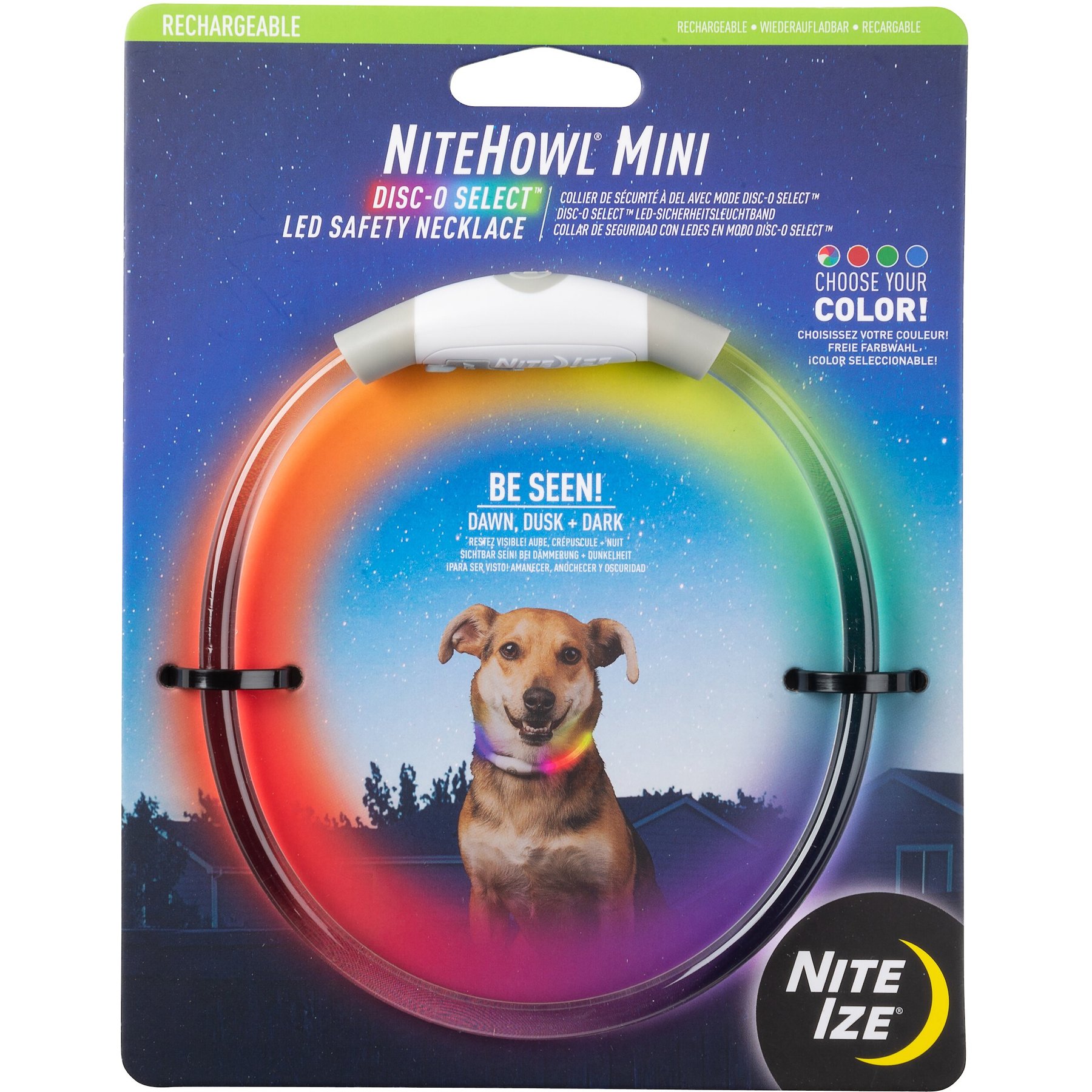
Most car-versus-dog incidents happen in the two hours around sunrise or sunset. A rechargeable LED collar or clip-on beacon is a five-dollar-per-year insurance policy. Look for a light that is visible from about 1,000 feet (300 m) and stays on in steady mode: flashing can be missed at a glance.
The listing describes a reflective chest strap for low-light conditions, a water-repellent cover and freeze-proof buckles, in a Mini-Mini size for a 15.7 to 20.9 in chest.
3. Water you can actually offer
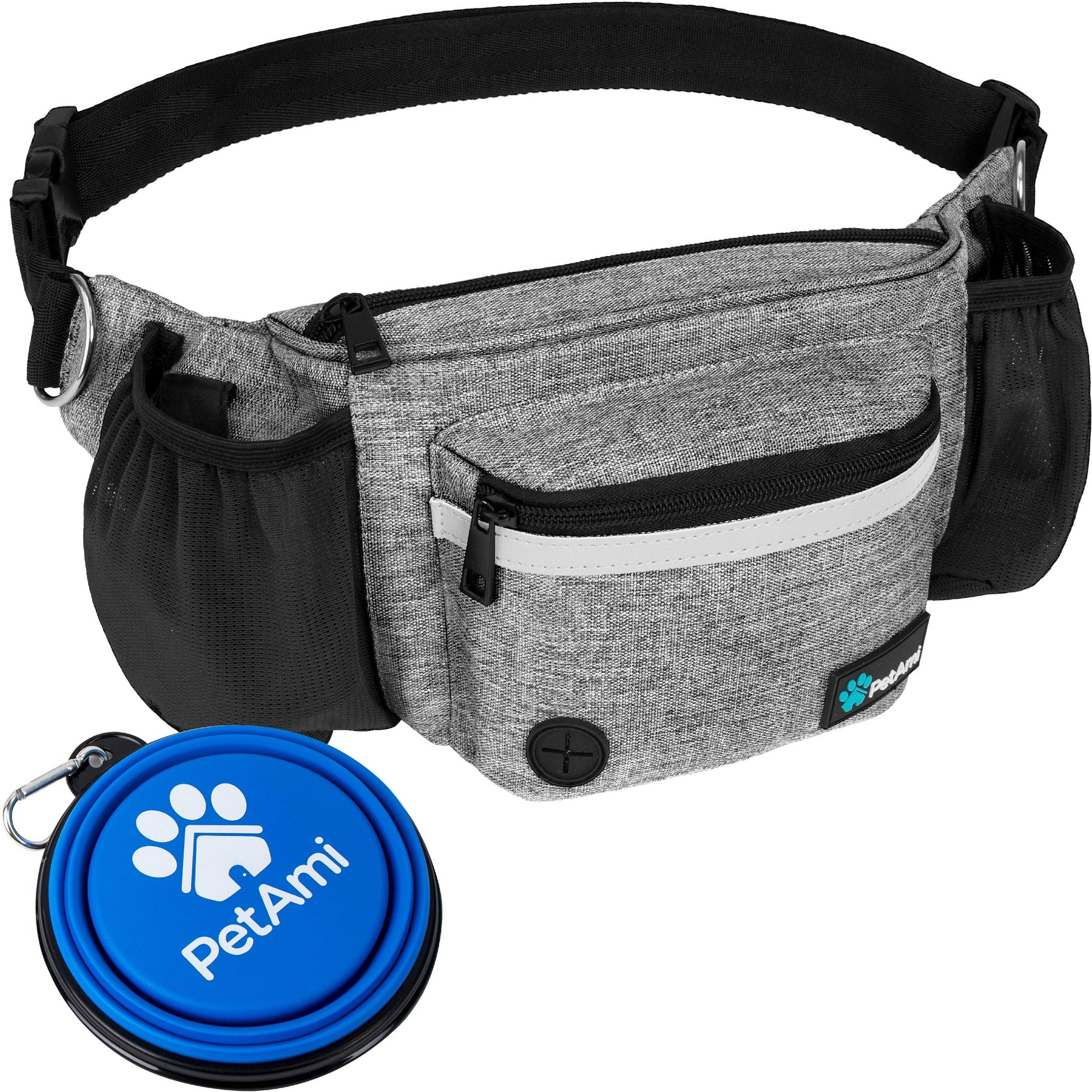
Dehydration in dogs progresses faster than in humans because panting is their primary cooling mechanism. A collapsible silicone bowl that clips to a leash or pack removes the excuse to skip a water break. Aim for a break every 15–20 minutes in temperatures above 75°F / 24°C.
4. Tick exposure, not just in summer
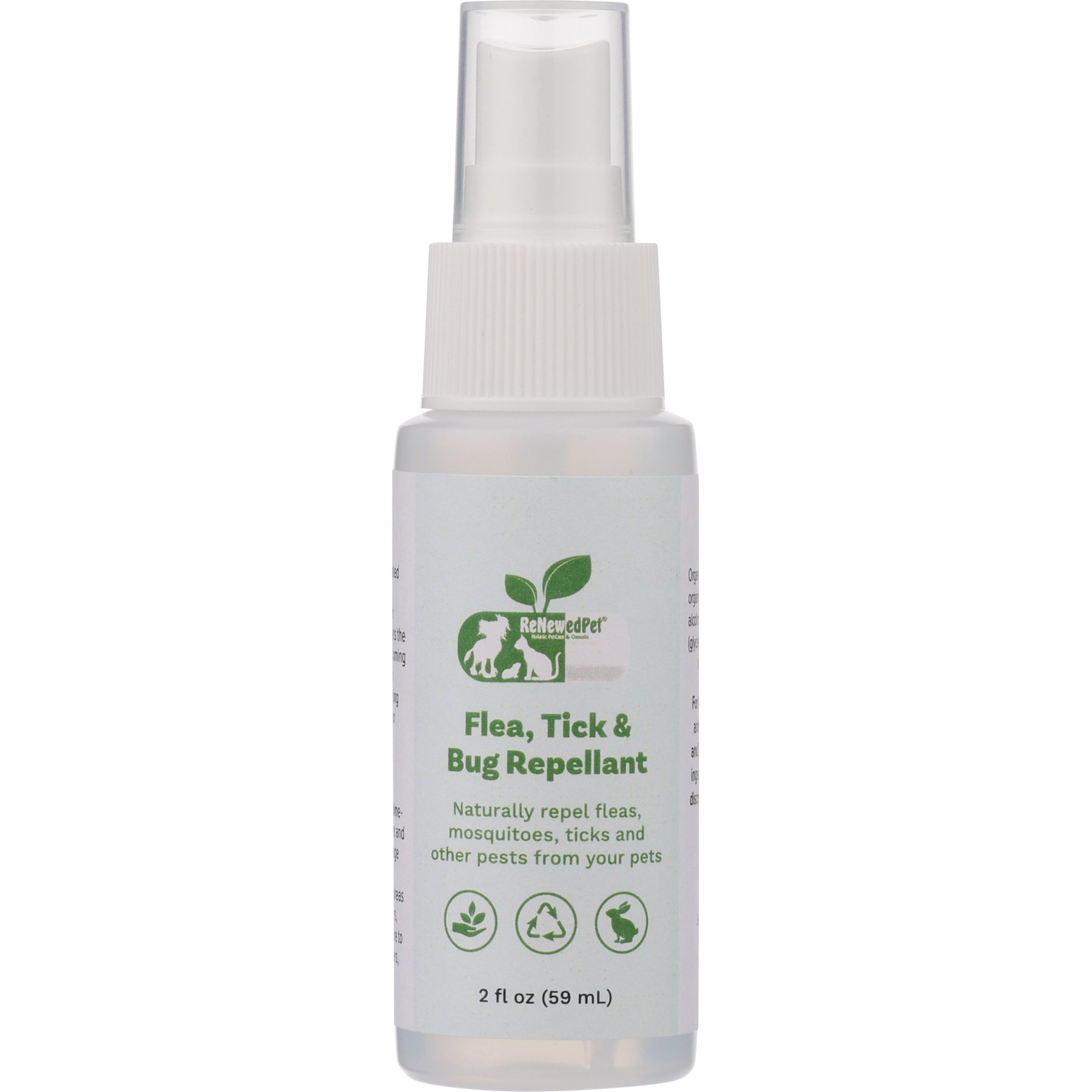
The CDC tick geographic map shows sustained tick activity from March through November across most of the continental US, with year-round exposure on the Gulf Coast and Pacific Northwest. A cedar- or geraniol-based repellent spray applied before wooded trails is a low-friction supplement to your dog's prescribed monthly preventative. Do a full tick check within four hours of getting home: behind the ears, under the collar, in the armpits, and between toes.
5. A first-aid kit that lives in the car
You do not need a professional kit; you need one that is actually present. The Red Cross pet preparedness guidance recommends: sterile gauze, self-adhering bandage (never human adhesive tape on fur), tweezers, saline, and a printed vet emergency number. Store it in the car so it is with you every time, not left on a kitchen counter.
Print the two-minute pre-walk check
- Tag on, phone number current
- Light on collar, tested
- Water bowl and full bottle in pack
- Tick spray applied to legs and belly
- Vet's number in your phone under a name you will find in a panic
If you need to fill a specific gap on this checklist, our microchip explainer covers the registration step behind the ID tag, and our travel water bottle guide compares bottle and bowl designs.
FAQ
Frequently asked
Do dogs really need an ID tag if they are microchipped?
Yes. A microchip only works if the finder brings the dog to a vet or shelter with a scanner. A visible tag with a phone number is what gets a lost dog home the same afternoon. Use both.
How often should I refresh the water on a hike?
Offer water every 15–20 minutes in warm weather, and more often for flat-faced breeds or dogs over ~50 lb. A collapsible bowl clipped to a pack makes this frictionless.
Is a topical tick spray enough on its own?
No. Sprays reduce contact-time risk on the trail, but year-round tick prevention should follow your vet's recommended product. Use spray as a supplement to a checked-and-approved preventative, not a replacement.
Featured in this guide
The picks referenced above—priced and in stock at time of publication.

Affiliate links. Prices and availability change—we filter unavailable items nightly, but the retailer's page is source of truth.
Keep reading
evergreen
Wand Toys for Cats: The Toy Matters Less Than How You Move It
halloween safety
Halloween Candy and Dogs: Which Candies Are Dangerous, How Much, and What to Do
evergreen
Probiotics for Dogs: What the Evidence Supports, and What the Label Has to Say
halloween safety
LED Collars for Night Safety: Light That Does Not Need Headlights
halloween safety
Anxiety Wraps for Fireworks and Noise: What the Pressure Does, and What It Cannot
halloween safety
Reflective Gear for Evening Walks: Where It Goes Matters More Than How Much
Discussion
Talk about Outdoor Pet Safety Checklist: ID, Visibility, Water, Ticks, and First Aid
Real questions from real pet owners. Add yours—signed-in members only, first three posts held for review.
Loading threads…