Tick Prevention Buying Guide: Preventives, Daily Checks, and Gear
Tick prevention is a layered decision: a veterinary preventive, a daily physical check, and the right gear for the trails you actually use. Here is how to pick each layer.
petsupplies.co earns a commission if you buy through the product links on this page, and the price you pay is the same either way.

Tick prevention is not one product. It is a system with three layers: a veterinary-prescribed preventive, a physical check after every outdoor session, and gear that keeps ticks off in the first place. Skipping any layer is where most cases of Lyme, ehrlichiosis, and anaplasmosis start.
Start with what your vet prescribes
Prescription oral preventives in the isoxazoline class (Bravecto, Simparica, NexGard, Credelio) and topical or collar options (Frontline, Seresto) all reduce tick attachment risk when used on-label. Match the product to your dog's weight, age, and any seizure history: the FDA has flagged neurologic reactions in a small subset of dogs on isoxazolines and requires the warning on the label. Talk to your vet before switching classes.
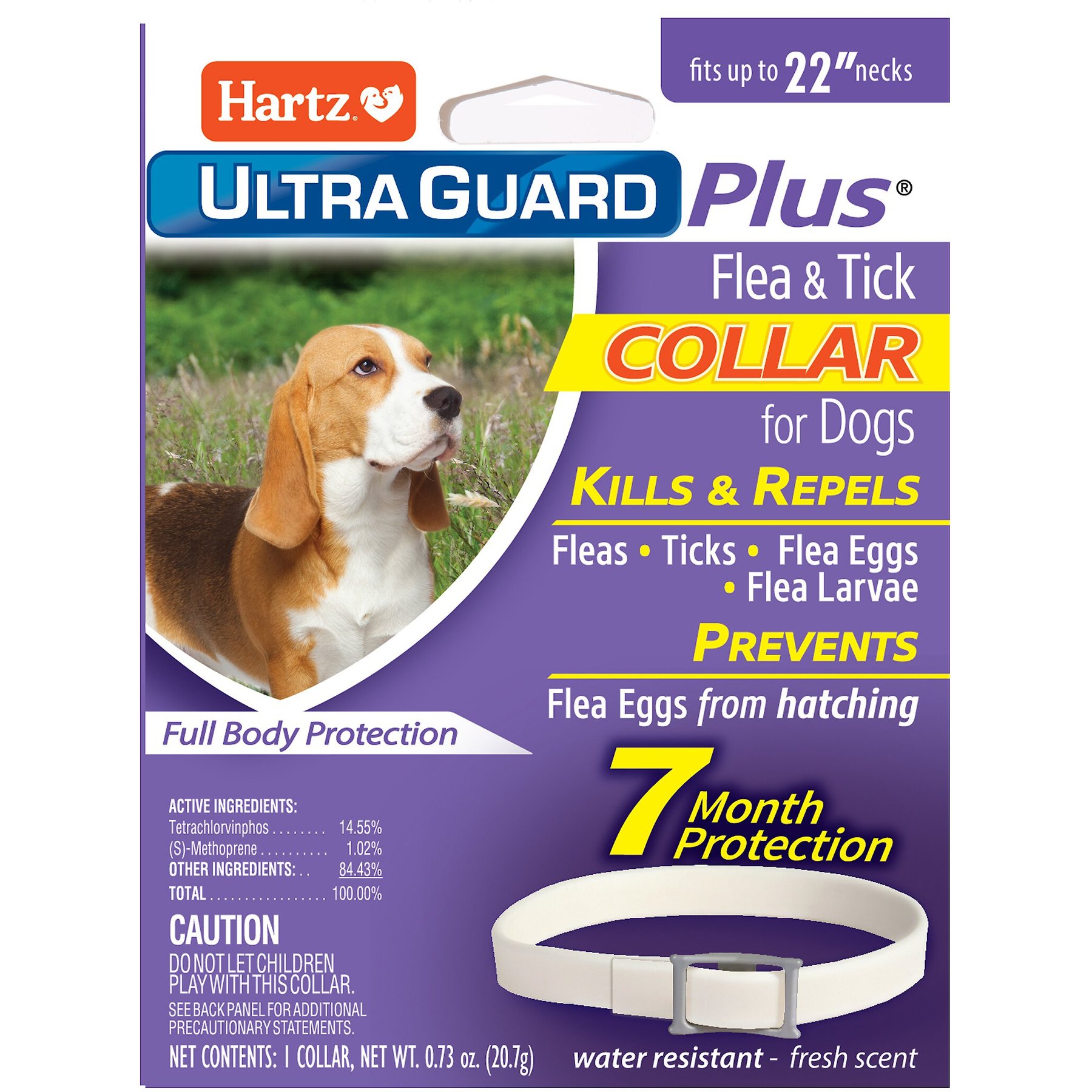
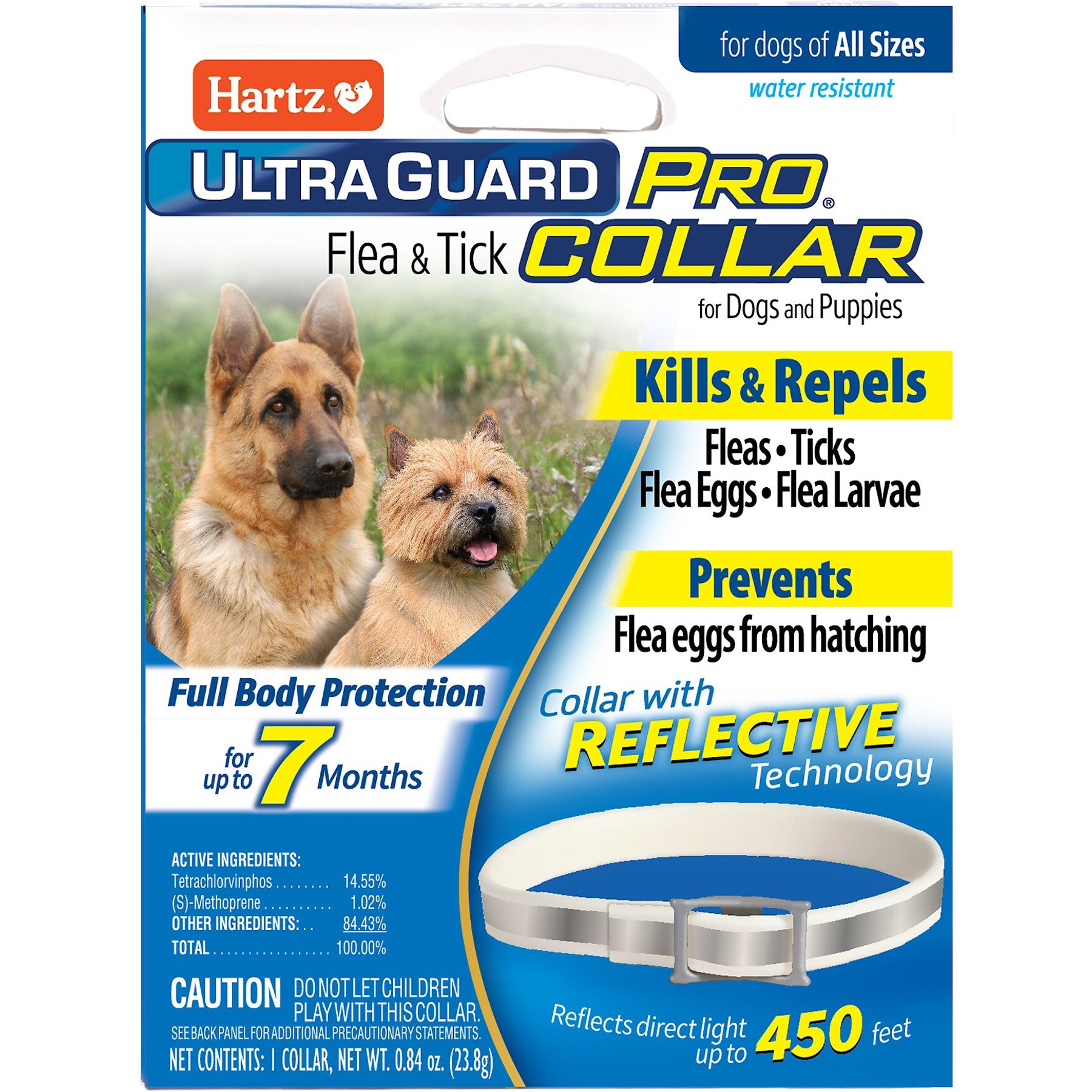
Over-the-counter collars and shampoos never replace a prescribed preventive for a dog that regularly walks in tick habitat. They are a supplement, not the base layer.
Environment first, product second
The CDC tick prevention guidance is blunt: ticks live in leaf litter, tall grass, and the brush edge between lawn and woods. If your dog spends time in any of those, assume exposure. Keep grass short at home and route walks along the center of trails rather than the brushy edges.
The check routine that actually matters
Ticks generally need 24 to 48 hours attached to transmit most pathogens: the CDC's transmission timelines back this up. A daily physical check after any exposure catches ticks before they matter. Focus on the six spots ticks pick most often:
| Zone | Why it matters |
|---|---|
| Inside the ears | Warm, thin skin, hard to see |
| Under the collar | Ticks migrate to a stopped edge |
| Between toes | Missed on a fast pet-down |
| Groin and armpits | Warm, sparse fur |
| Around the eyes and muzzle | Face-first sniffing catches ticks |
| Base of the tail | Ticks travel upward toward warmth |
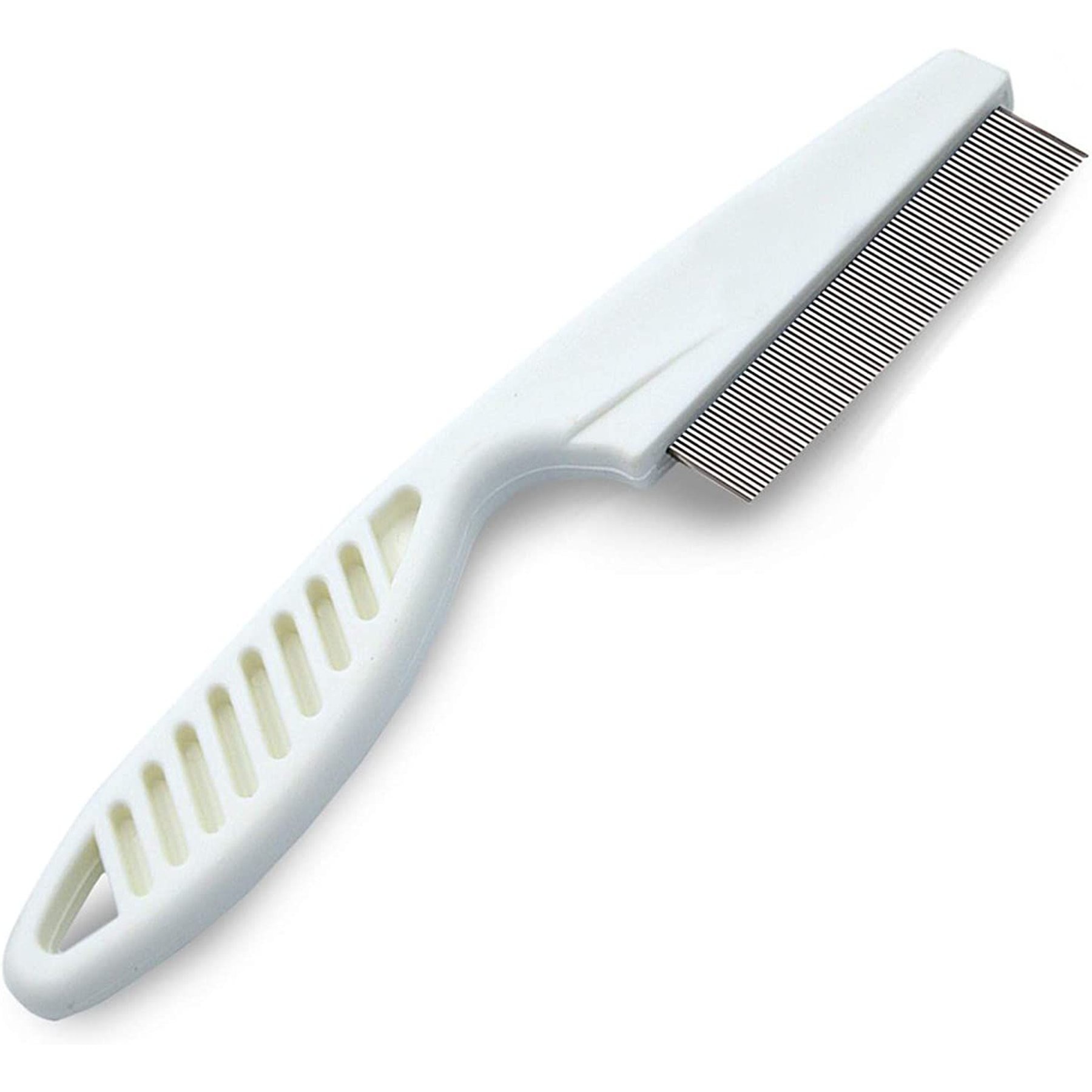
Run your fingers slowly against the coat direction. A fine-toothed comb helps on short-coated dogs and catches unattached ticks before they find a spot.
Post-walk washdown
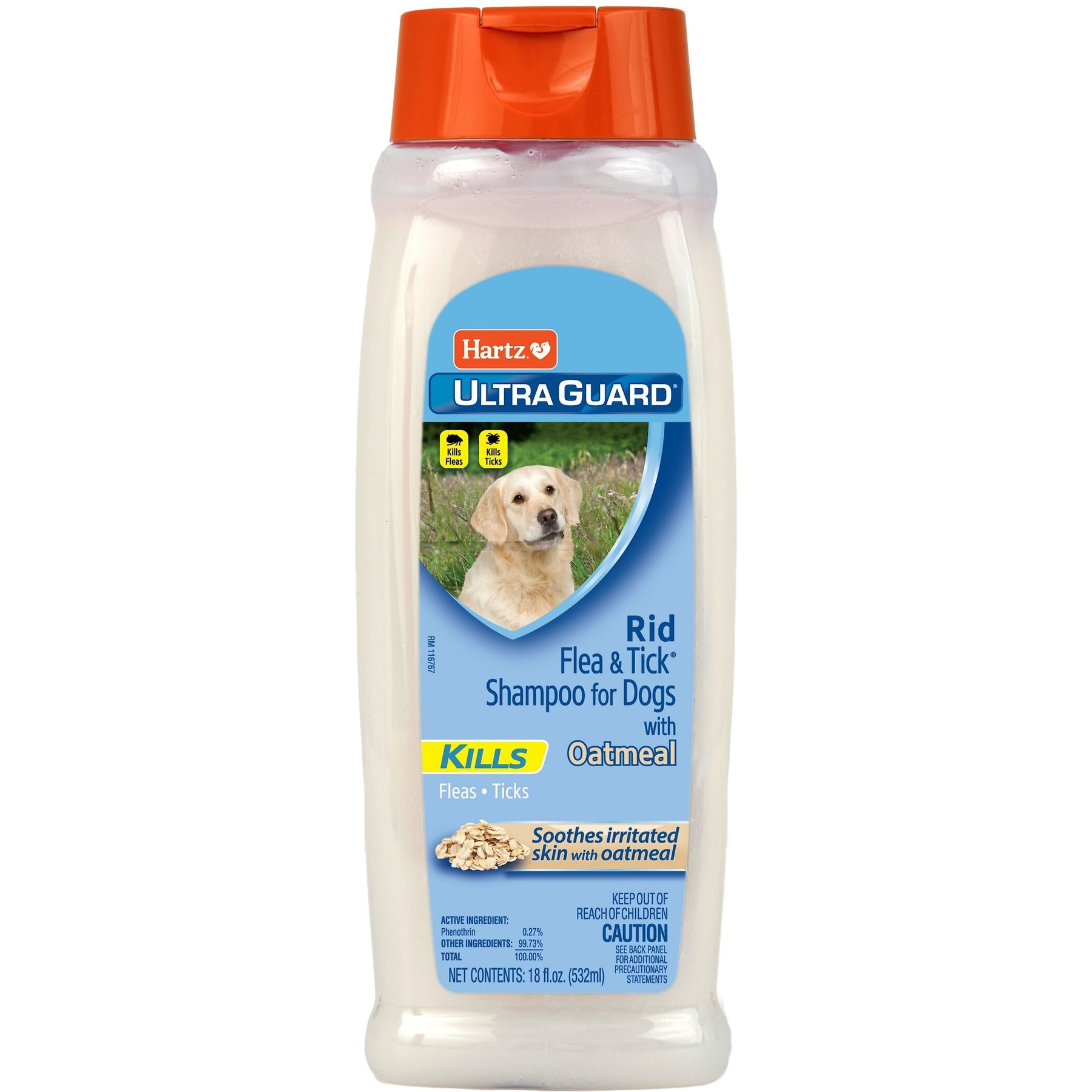
A quick shampoo after a heavily wooded hike will not kill an attached tick, but it will dislodge unattached ones and let you see the coat clearly for a second inspection. Oatmeal-based flea-and-tick shampoos are gentle enough for weekly use in high-exposure months; harsher pyrethrin blends should be reserved for confirmed infestations, not routine baths.
Removing a tick correctly
Fine-tipped tweezers, pulled straight up with steady even pressure. Do not twist, burn, or apply petroleum jelly: those methods increase the chance of the tick regurgitating into the bite. Save the tick in a sealed bag if you want your vet to identify it later. The CDC guidance on what to do after a tick bite has the canonical technique.
If you find a fully engorged tick, or your dog develops lameness, fever, or lethargy in the two to three weeks after exposure, ask your vet about a tick-borne disease panel.
What to skip
- Ultrasonic tick "repellent" tags. No peer-reviewed evidence they work.
- Essential-oil sprays marketed as "chemical-free protection." Cedar, geranium, and peppermint oils can irritate skin and are not a substitute for a preventive.
- Bulk-pack unbranded chewables from marketplace sellers. Isoxazolines require prescription oversight.
For a broader view of active-lifestyle gear that pairs with a good prevention routine, our harness shelf filters for trail-friendly designs.
FAQ
Frequently asked
Do I need a tick preventive year-round?
In most US regions, yes. Ticks stay active any time ground temperature is above roughly 40°F, which now includes winter across much of the country. Continuous coverage is simpler than trying to time seasonal starts and stops.
Can I use my dog's tick preventive on my cat?
No. Several dog preventives (permethrin-based topicals in particular) are severely toxic to cats. Always use species-specific products and read the label before applying anything.
How soon after a tick bite should I test my dog?
Standard 4Dx panels can miss antibodies for the first 2 to 4 weeks after infection. If exposure was known, test at the 4-week mark and again at 6 to 8 weeks if the dog remains asymptomatic.
Featured in this guide
The picks referenced above—priced and in stock at time of publication.
Affiliate links. Prices and availability change—we filter unavailable items nightly, but the retailer's page is source of truth.
Keep reading
summer safety travel
Dog Booties for Hot or Rough Ground: When Boots Beat Paw Wax
summer safety travel
Portable Dog Beds for Camping: Cots, Pads, and Travel Beds
summer safety travel
Hydration Tips for Senior Dogs in Heat: Intake, Warning Signs, and Gear
summer safety travel
Dog Life Jackets by Size: How to Pick One That Fits
summer safety travel
Best Cooling Mats for Dogs in Summer: A Buyer's Guide
summer safety travel
Travel Water Bottles for Dogs: How to Choose the Best One
Discussion
Talk about Tick Prevention Buying Guide: Preventives, Daily Checks, and Gear
Real questions from real pet owners. Add yours—signed-in members only, first three posts held for review.
Loading threads…