Clumping vs Non-Clumping Cat Litter: Clumping Suits Most Cats, Pellets Suit a Few Homes
Most cats accept fine, unscented clumping litter, and the feline house-soiling guidelines say so. Paper and pine pellets have a place, but the switch has to be slow. What each type does well, and where each goes wrong.
petsupplies.co earns a commission if you buy through the product links on this page, and the price you pay is the same either way.

Litter gets sold on odor claims, dust claims and the number of days it lasts. The cat judges it on something simpler: how it feels underfoot and how it smells up close. Get those two right and the type of litter matters far less than the marketing suggests.
This guide compares clumping clay with non-clumping pellets, then sorts five products from the catalog by who each one suits.
What the guidelines actually say
The AAFP and ISFM feline house-soiling guidelines are the clearest source here. They describe fine, sand-like, unscented clumping litter as the texture most cats accept. They suggest a depth of at least 1.25 inches (3 cm).
The same guidelines say many cats find aromatic litter and deodorizers offensive. They also say plainly that no litter product removes the need to clean the box.
That last point is worth holding onto while reading any bag. A 14-day or 40-day odor claim describes the litter, not the schedule. The guidelines still call for removing waste at least once a day.
Clumping clay: the default for a reason
Clumping clay turns urine into a solid lump you can lift out. What stays behind is mostly clean litter, so the box smells less between full changes. You top up rather than dump.
Fine grains also match the texture preference the guidelines describe. That is why clumping clay is the usual starting point for a new cat or a cat with no history of box problems.
The trade-offs are weight and dust. A large box of clay is heavy to carry, and some formulas throw up dust when poured or scooped.
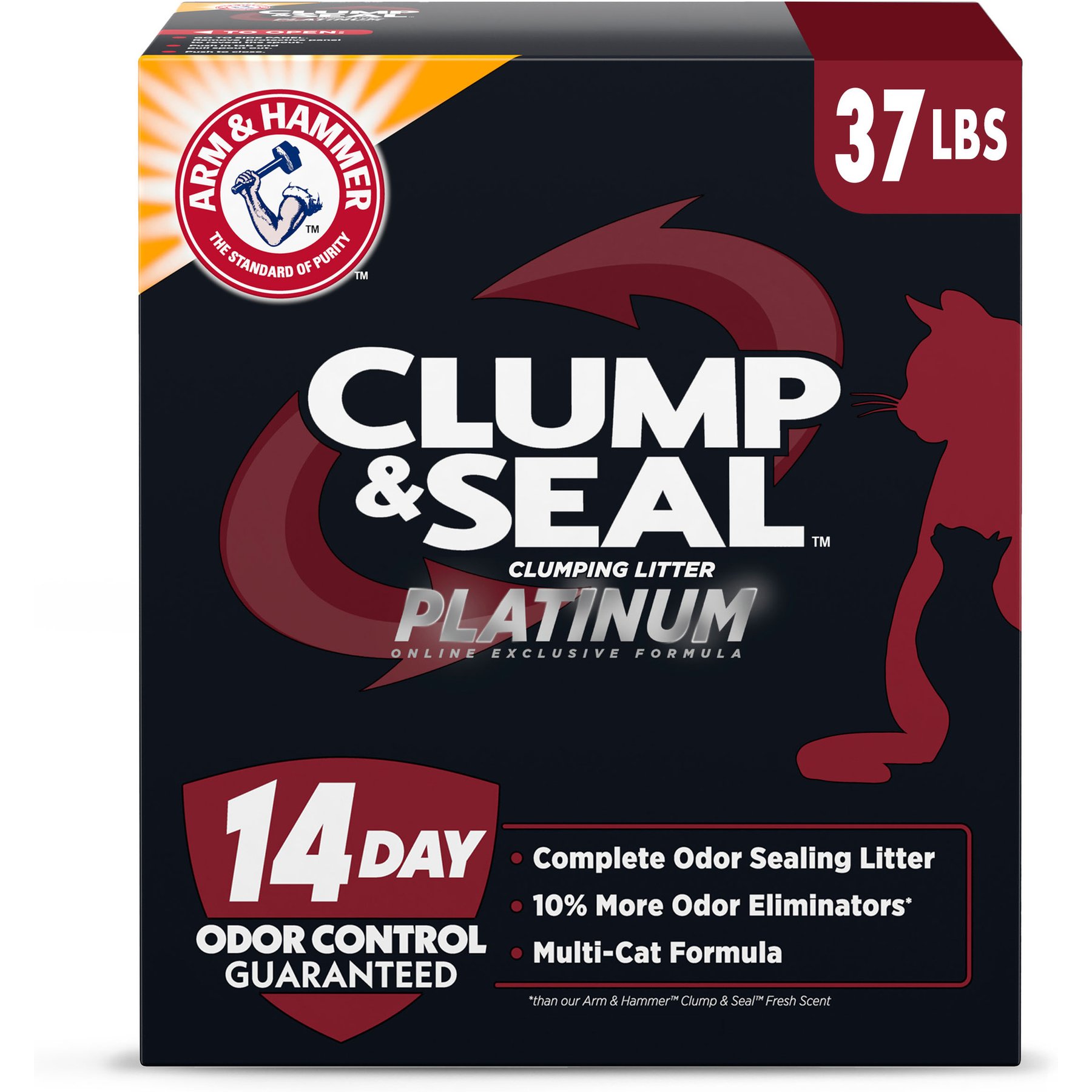
Lightweight clumping formulas exist for owners who struggle with a 37-lb box. Check that the grain is still fine and that clumps hold together when lifted. A litter that crumbles on the scoop leaves wet pieces behind, and those pieces are what smell.
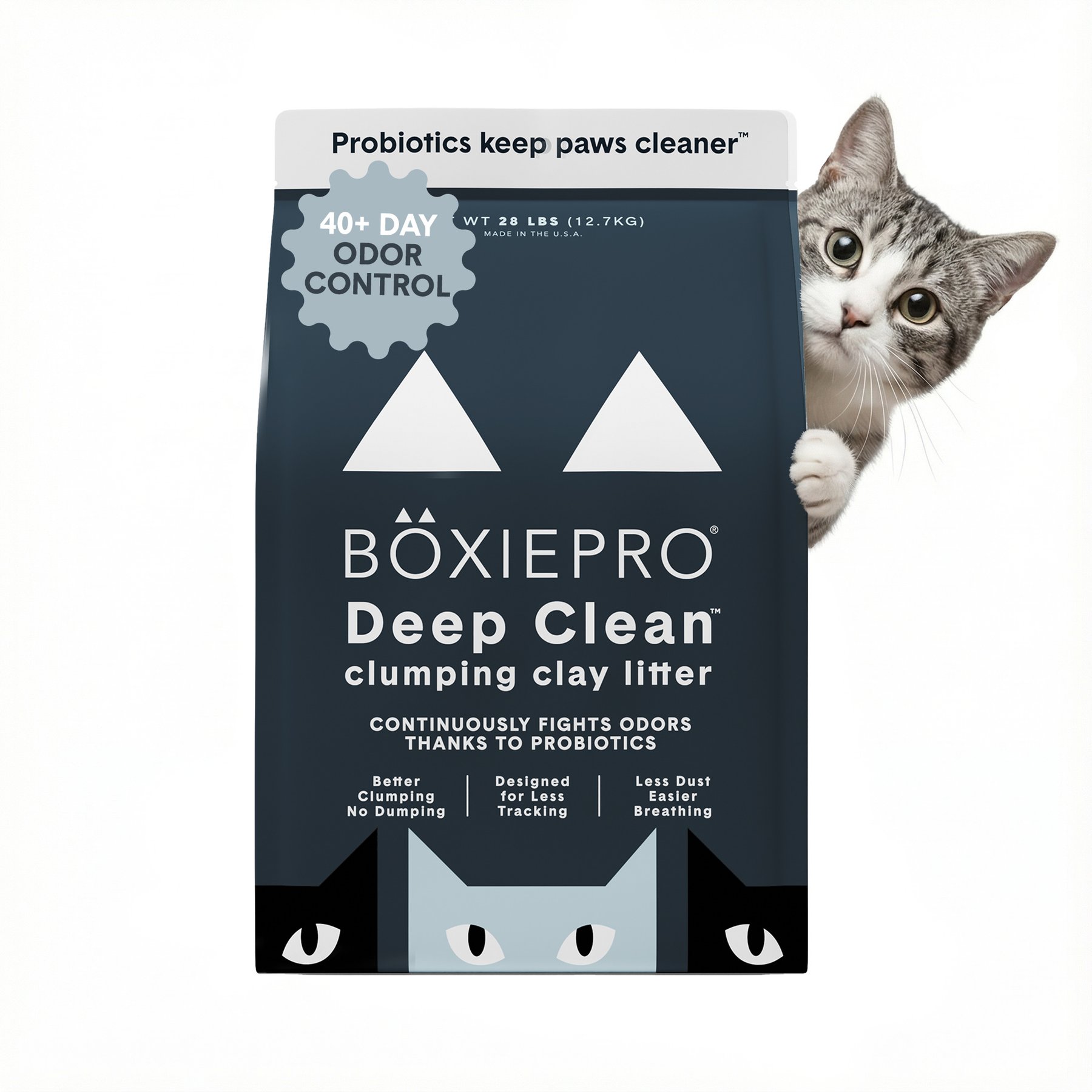
A probiotic clumping clay with no perfume is the closest match to the guideline description in this group. Its maker says the probiotics target odor-causing bacteria and control odor for 40 days.
A multi-cat clumping clay built around odor sealing suits a box that sees heavy use. The maker describes moisture-activated micro-granules that form tight clumps and a 14-day odor claim.
Scented and low-scent clay
Some households want a light fragrance, and some cats tolerate it without trouble. The guideline warning still stands, so treat scent as a trial rather than a default.
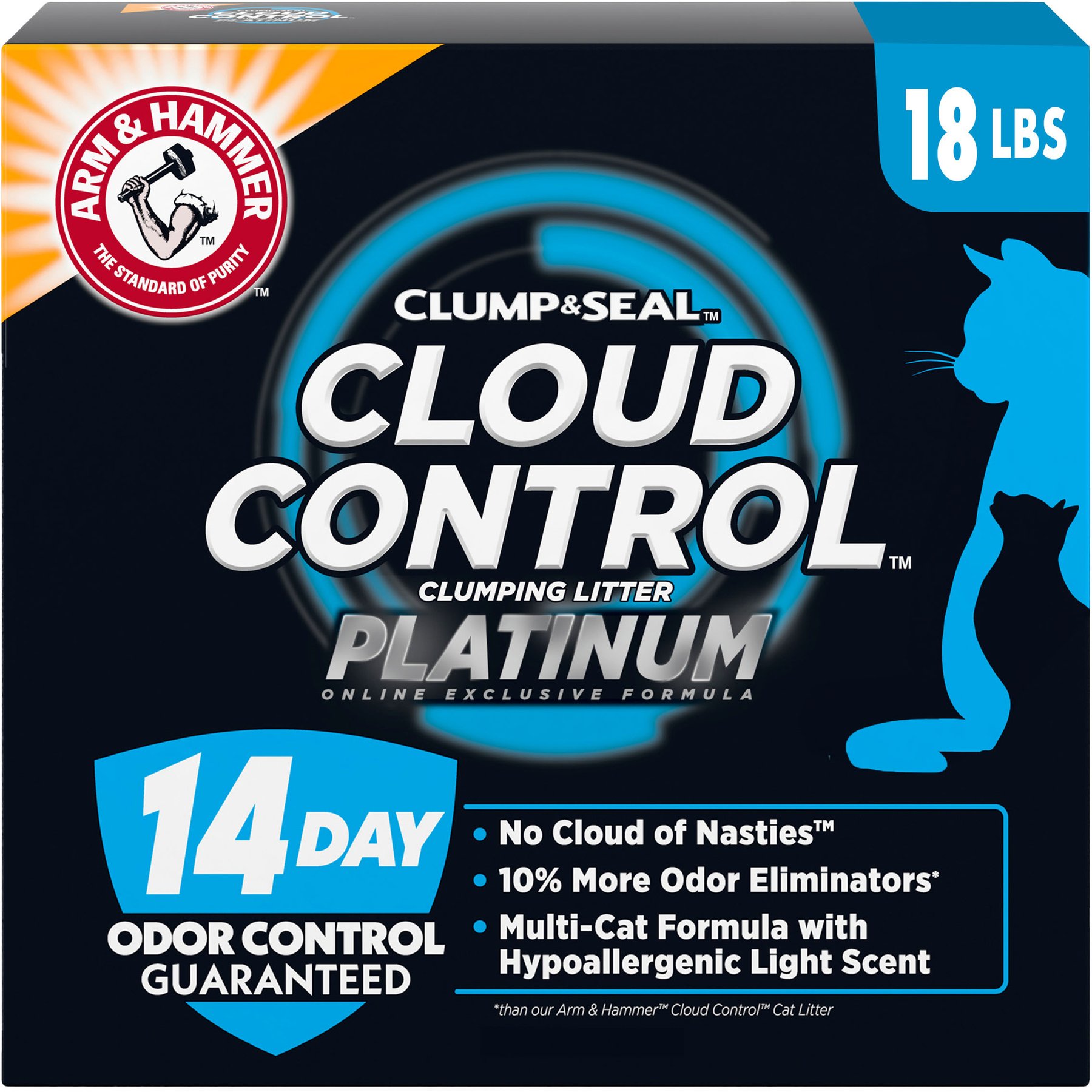
One lightly scented option sits in between. Its maker says the fragrance excludes 26 known scent allergens and that a dander shield reduces airborne dander when scooping. That may matter to a person with allergies more than to the cat.
If a cat starts perching on the rim, going beside the box or shaking its paws after use, the scent is the first thing to change.
Non-clumping pellets: paper and pine
Pellets absorb urine instead of clumping around it. You scoop solids, then change the whole box more often because wet pellets break down into sawdust or pulp.
Pellets suit a few situations well. They are low in dust and large enough to track less. Some owners also choose them for compostability.
The catch is texture. Pellets are nothing like the fine, sand-like litter the guidelines describe, and many cats need time to accept them.
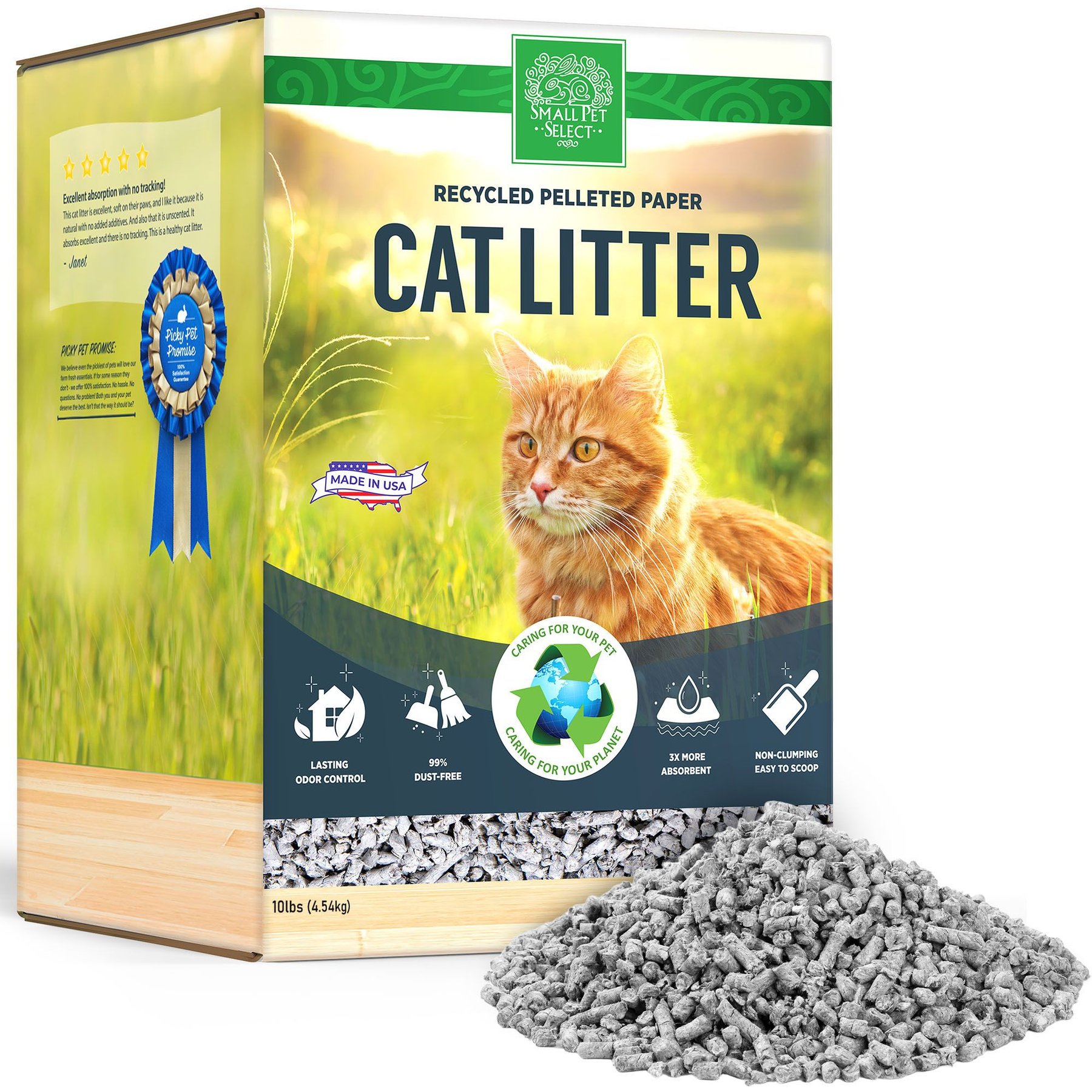
Recycled paper pellets are soft and unscented. The maker claims they absorb three times more than traditional clay and suggests a slow switch: fill the box mostly with the new litter and layer the old litter on top.
Pine pellets carry a natural wood scent and come in a large 40-lb bag. The maker describes the litter as dust-free and USDA-certified compostable.
A sifting box helps with pine, because the sawdust falls through and the intact pellets stay on top.
How this goes wrong
| Type | What it does well | Where it goes wrong | Suits |
|---|---|---|---|
| Unscented clumping clay | Matches the texture most cats accept, easy daily scooping | Heavy to carry, some dust | Most cats, new cats |
| Scented clumping clay | Masks smell for people | Some cats avoid the scent | Cats already fine with it |
| Paper pellets | Low dust, soft | Needs full changes more often, texture is unfamiliar | Dust-sensitive homes |
| Pine pellets | Low tracking, compostable claim | Wood scent, sawdust needs a sifting box | Owners set on a plant-based litter |
How to switch without accidents
Most litter problems start the day the litter changes. A cat that dislikes a new texture does not complain. It finds a rug.
Switch one box at a time, and keep at least one box with the old litter until the cat uses the new one reliably. That way the cat always has a familiar choice.
Mixing helps. Start with mostly old litter and a little new, then shift the balance over a week or two.
Watch for litter box aversion signs: going next to the box, perching on the edge, or a very short visit with no digging.
Cleaning schedules by litter type
The litter type changes how you clean, not whether you clean. The AAFP and ISFM guidelines call for removing waste at least once a day, whatever the litter.
- Clumping clay. Scoop clumps and solids daily. Top up to keep the depth. Dump and refill when the remaining litter looks dirty or smells between scoops.
- Paper pellets. Scoop solids daily and remove the wet, broken-down layer. Expect full changes more often than with clay.
- Pine pellets. Sift daily so the sawdust drops away, then add fresh pellets. Replace the lot when the sawdust layer builds up faster than you can sift it.
The guidelines also suggest washing the box itself every one to four weeks with soap and hot water. They advise against cleaning products that contain ammonia.
If the box still smells after a wash and fresh litter, look at the schedule before the product. Scooping twice a day in a busy box usually does more than a stronger fragrance.
When it is not the litter
A sudden change in box habits is medical until a veterinarian rules that out. Frequent trips, straining, blood in the urine or going outside the box can all point to feline lower urinary tract disease.
A male cat straining with little or no urine may have a urethral obstruction. That is a same-day emergency, not a wait-and-see problem.
Our why is my cat peeing outside the litter box answer walks through the order to rule things out.
What to skip
- Heavy perfume and deodorizing crystals. The guidelines say many cats find them offensive.
- Changing litter in every box on the same day. It removes the fallback a cat relies on.
- Trusting an odor-day claim over daily scooping. No litter replaces cleaning.
- Pellets in a box built for clumping litter. Without a sifting tray, wet pine turns to mush.
- A shallow layer. The guidelines suggest at least 1.25 inches.
How to choose
Start with unscented clumping clay unless you have a clear reason not to. Fill the box at least 1.25 inches deep and scoop every day.
Choose pellets for low dust or when compostability matters to you. Pair pine with a sifting box.
Change one box at a time, keep the old litter available, and treat any sudden change in box use as a reason to call the veterinarian. For how many boxes you need, see our how many litter boxes do I need answer and the multi-cat setup guide.
FAQ
Frequently asked
Is clumping or non-clumping litter better for cats?
For most cats, fine unscented clumping litter is the better starting point. The AAFP and ISFM house-soiling guidelines describe that texture as the one most cats accept. Non-clumping pellets suit specific needs, such as a low-dust home, but many cats need a slow introduction to them.
How deep should cat litter be?
The AAFP and ISFM guidelines suggest at least 1.25 inches (3 cm). A shallow layer leaves urine pooling on the bottom of the pan, which makes clumping litter stick and pellets break down faster.
Is scented litter bad for cats?
Not for every cat, but the feline house-soiling guidelines say many cats find aromatic litter and deodorizers offensive. If you use a scented or lightly scented litter, watch for a cat going beside the box or perching on the rim, and switch to unscented if you see it.
How do I switch my cat to paper or pine pellets?
Change one box at a time and keep another box with the old litter. Mix a little of the new litter into the old, then increase the share over a week or two. One paper pellet maker suggests filling the box with the new litter and layering the old litter on top.
Can a litter change cause a cat to pee outside the box?
Yes, a disliked texture or scent is a common reason. A sudden change in box habits can also be medical, and a male cat straining with little or no urine needs a veterinarian the same day, because a urethral obstruction can be fatal.
Featured in this guide
The picks referenced above—priced and in stock at time of publication.
Affiliate links. Prices and availability change—we filter unavailable items nightly, but the retailer's page is source of truth.
Keep reading
Discussion
Talk about Clumping vs Non-Clumping Cat Litter: Clumping Suits Most Cats, Pellets Suit a Few Homes
Real questions from real pet owners. Add yours—signed-in members only, first three posts held for review.
Loading threads…