Litter Box Setups for Multi-Cat Homes: You Need More Boxes, Not a Better One
The most expensive litter box in the Chewy catalog is $380. Three of the right box, in three different rooms, costs about $42 and works better. Where the n+1 rule comes from and why location beats hardware.
petsupplies.co earns a commission if you buy through the product links on this page, and the price you pay is the same either way.

The most expensive litter box in the Chewy catalog costs $380. Three plain jumbo pans, placed in three different rooms, cost about $42 and will do more for a multi-cat household than any single machine.
That is the whole argument. The rest of this guide is why it is true, and what to buy instead.
The number is cats plus one
One box per cat, plus a spare. Two cats means three boxes. Three cats means four.
The recommendation comes from the AAFP and ISFM feline environmental needs guidelines, which treat multiple separated resources as one of the basic pillars of a healthy cat environment rather than an optional upgrade. The ASPCA's litter box problems guidance covers the same ground from the behavior side.
The spare is not padding. A box that is being guarded, that is mid-clean, that got soiled an hour ago, or that a particular cat has simply decided against is a box that does not exist from that cat's point of view. Cats do not wait in line, and they do not negotiate. They find somewhere else, and somewhere else is usually a rug.
Location does more work than the box does
This is the part people skip, and it is the part that matters most.
Three boxes lined up along one wall is, to a cat, one location. One location can be controlled by one confident cat sitting in the doorway, which is a quiet form of resource guarding that most owners never see happen. Spread the boxes across rooms and across floors.
Three rules that cost nothing:
- No dead ends. A box in a cupboard or a narrow alcove has one way out. A cat that has been ambushed there once will not go back.
- Away from the noisy machines. A washing machine hitting spin cycle next to the box will end that box's career.
- Away from food and water. Cats do not eat where they toilet, and putting the two together forces a choice you will lose.
If you have a multi-floor home and all the boxes are in the basement, you have one location, whatever the count says.
Size: bigger than the box aisle suggests
The working rule is that a box should be about one and a half times the length of the cat, nose to base of tail. Most commercially sold boxes are smaller than that for an average adult cat, which is why litter box sizing is one of the more common causes of litter box aversion.
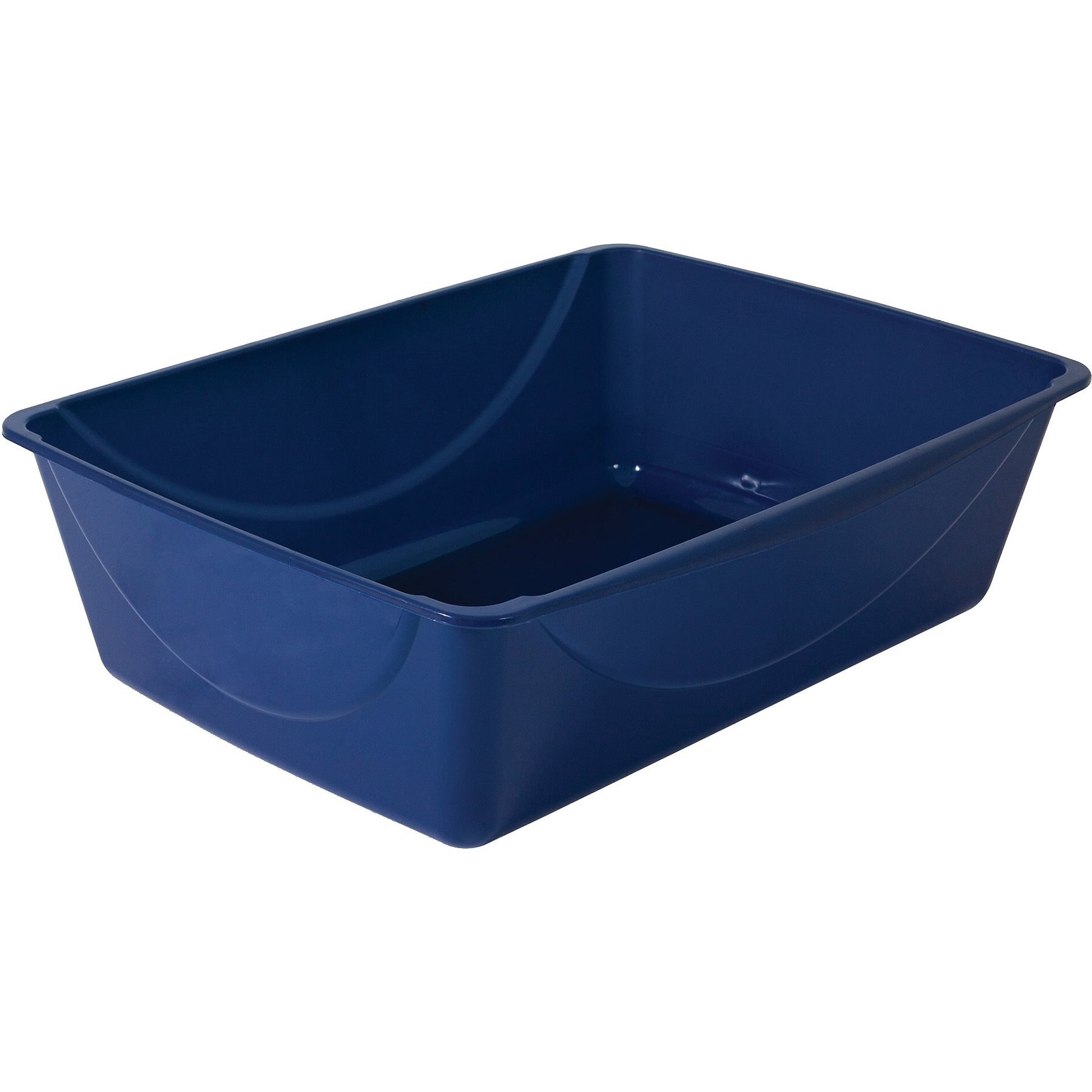
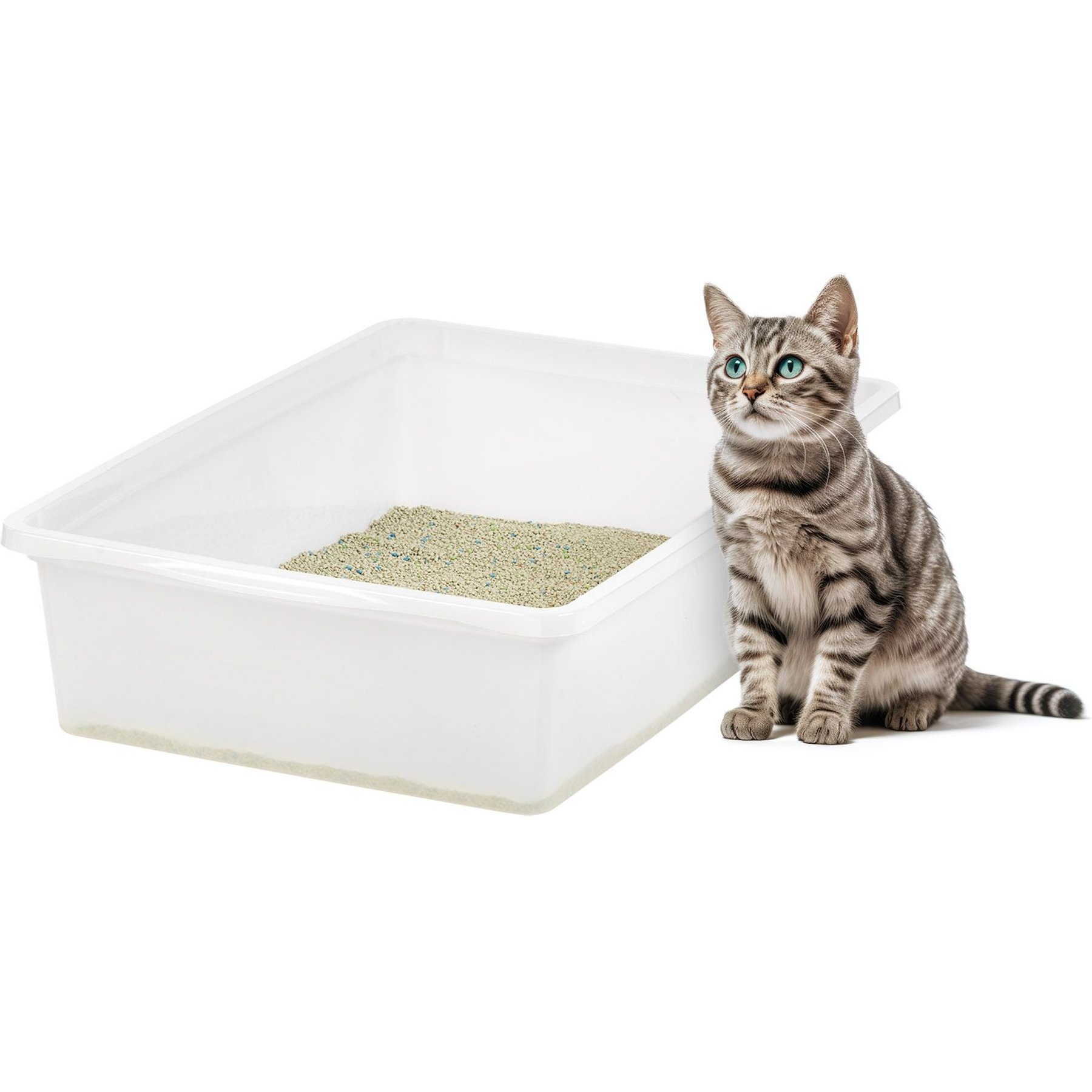
A plain jumbo pan is the honest answer here, and buying three of them is the entire strategy.
Open-top pans keep the sightlines a nervous cat wants, which matters more in a house with tension than in a single-cat home.
High sides solve one specific problem, which is a cat that stands to urinate or kicks litter enthusiastically. The entry stays low; the walls are what change.
A storage tub with a doorway cut into one end is a perfectly legitimate substitute for any of these, and it is usually larger than anything sold as a litter box.
Covered or open
Less settled than the internet suggests. When boxes are scooped daily, many cats show no strong preference between covered and open, and a hood is not the villain it is often made out to be.
The multi-cat argument against a hood is different and more practical. A hood creates exactly one entrance. One entrance is easy to guard, and it removes the escape route that a cat lower in the household order relies on. A hood also hides what is in the box, and in a multi-cat home you want to notice a change in urine volume, blood, or stool consistency early rather than late.
If your cats like their hooded box and nobody is having accidents, leave it. Add the extra boxes open.
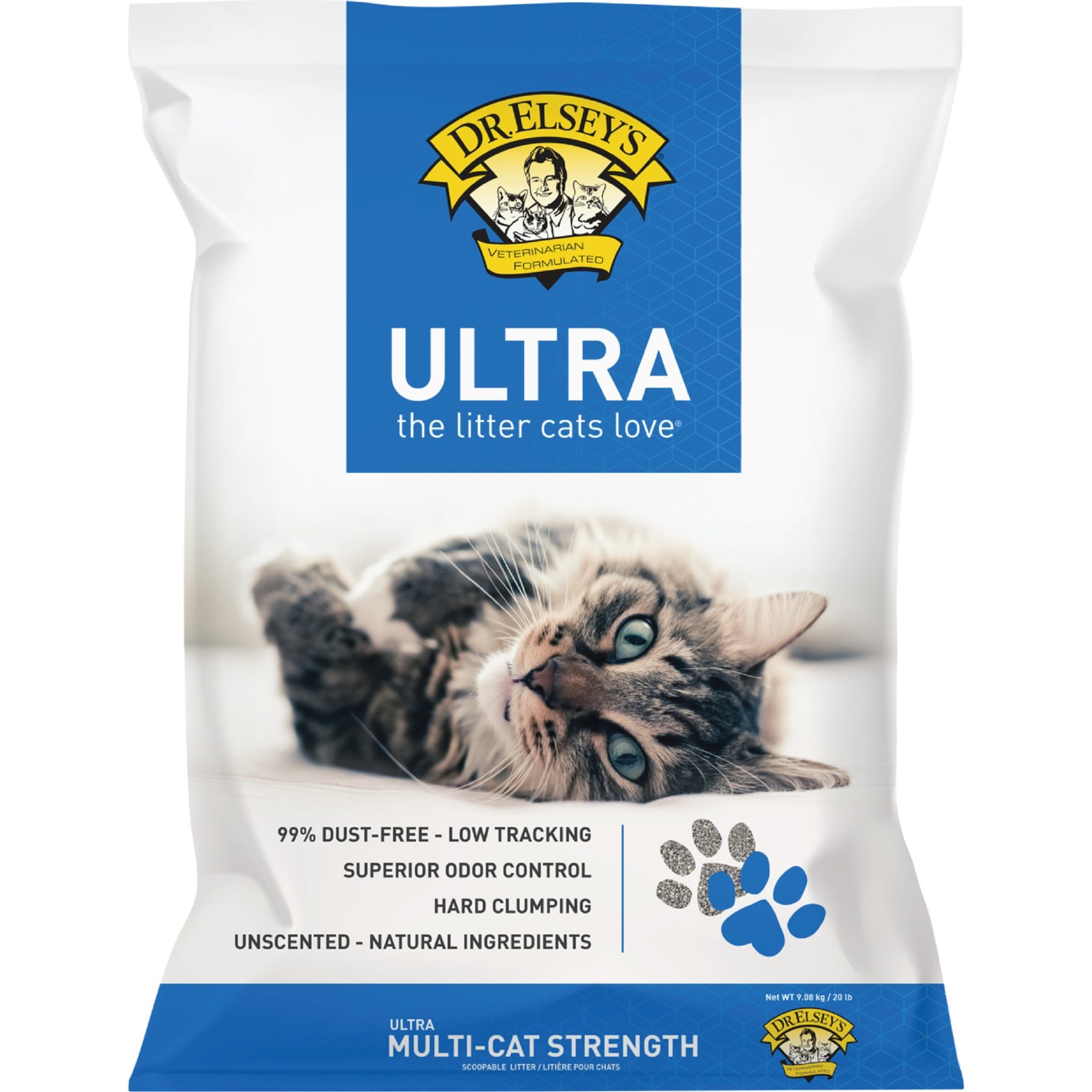
Litter: unscented, fine-grained, clumping
This is where the preference data is most consistent, and it points the same direction every time. Fine-grained clumping clay tends to win, scent tends to lose, and the fragrance in scented litter is there for the human buying it.
Change litter type gradually and never in every box at once. Switching all of them the same day removes every alternative a cat has if it dislikes the new substrate, which is how a litter experiment turns into a carpet problem.
A mat catches what comes out on the paws and is the difference between scooping and sweeping.
Scoop daily, every box. In a multi-cat home this is not optional, and it is a bigger determinant of whether the setup works than any product on this page.
When it is not a setup problem
A change in litter box use is medical until a veterinarian says otherwise.
It is one of the most common presenting signs of feline lower urinary tract disease. And a male cat straining in the box, producing only small amounts, going repeatedly, or crying may have a urethral obstruction, which kills within a day or two and is a same-day emergency, not a Monday-morning appointment.
Our why is my cat peeing outside the litter box answer walks through the order to rule things out.
What to skip
- A self-cleaning box as the fix for a multi-cat problem. It solves scooping, which was not the problem. Three boxes solve the problem.
- Liners. Cats claw through them, and a punctured liner holds urine against the plastic.
- Scented litter and deodorizing crystals. Added for the human, tolerated at best by the cat.
- Covered boxes in a household with tension. One entrance, easy to guard.
- One expensive box instead of three plain ones. The count and the spread are what work. The box is nearly incidental.
How to choose
Count the cats, add one, and buy that many of the largest plain pan that fits your rooms. Put them in different rooms, ideally on different floors, none in a dead end.
Fill them with unscented fine-grained clumping litter, scoop every one of them daily, and put a mat under each.
If accidents continue after two weeks of that, the next step is a veterinary appointment, not a more expensive box.
FAQ
Frequently asked
How many litter boxes do I need for two cats?
Three. The standard veterinary recommendation is one box per cat plus one spare, and it comes from the AAFP and ISFM feline environmental needs guidelines, which treat multiple separated resources as a basic requirement rather than a nicety. The spare matters because a box being guarded, being cleaned, or simply being disliked is a box that does not exist as far as the cat is concerned.
Does it count if all the boxes are in the same room?
Not really. A row of boxes along one wall reads to a cat as a single location, and a single location can be blocked by one confident cat sitting in the doorway. Separate them by room and by floor where you can. Distribution is the part of the n+1 rule people skip, and it is the part that does most of the work.
Are covered litter boxes bad?
Less clearly than the internet suggests. When boxes are scooped daily, many cats show no strong preference either way. The multi-cat argument against a hood is practical rather than preferential: a hood creates exactly one entrance, one entrance is easy for another cat to guard, and a covered box hides changes in urine and stool that you want to notice early.
What litter should I use in a multi-cat home?
Unscented, fine-grained, clumping. That is the combination with the most consistent support in cat preference work, and the scent added to litter is for humans rather than cats. Change litter type gradually and one box at a time: switching every box at once removes every option a cat has if it dislikes the new substrate.
My cat started going outside the box. Is that a setup problem?
Treat it as medical until a veterinarian says otherwise. A change in litter box use is one of the most common presenting signs of feline lower urinary tract disease, and a male cat straining, producing only small amounts, or crying in the box may have a urethral obstruction, which is a same-day emergency. Rule out the medical cause first, then look at the setup.
Featured in this guide
The picks referenced above—priced and in stock at time of publication.

Affiliate links. Prices and availability change—we filter unavailable items nightly, but the retailer's page is source of truth.
Keep reading
back to school routine
Interactive Cat Toys Reviewed: Most of Them Are Solo Toys
back to school routine
Cat Trees for Indoor Enrichment: Vertical Territory, Not Furniture
back to school routine
Best Lick Mats for Dogs: A Good Tool With an Overstated Claim
back to school routine
Enrichment for Working Owners: Redistributed Time, Not a Drawer of Toys
back to school routine
Scratching Posts That Actually Last: Height, Stability, and Re-Roping
back to school routine
Crates and Pens for Dogs Home Alone: What Confinement Fixes, and What It Hides
Discussion
Talk about Litter Box Setups for Multi-Cat Homes: You Need More Boxes, Not a Better One
Real questions from real pet owners. Add yours—signed-in members only, first three posts held for review.
Loading threads…