Cat Food Transition Guide: Switch Slowly, and Never Let a Cat Stop Eating
Cats can refuse a new food outright, and a cat that stops eating for a few days risks a serious liver condition. How to switch slowly, when a topper helps, what a urinary label claim means, and five foods sorted by reason for switching.
petsupplies.co earns a commission if you buy through the product links on this page, and the price you pay is the same either way.

Dog owners can often switch foods in a few days. Cat owners who try the same thing sometimes end up with a cat that walks away from the bowl and does not come back. That is the real risk in a cat food change, and it matters more than loose stool.
This guide covers how to switch slowly, why refusal needs watching, and five foods sorted by why you might be switching.
Why refusal is the risk
A cat that stops eating is not just being fussy. Veterinarians at the University of Illinois warn that a cat going without food for a few days in a row risks hepatic lipidosis, a liver condition that can be fatal. Their advice is to seek veterinary attention promptly if a cat stops eating.
Overweight cats are the classic example, but any cat can be affected. Our feline hepatic lipidosis page covers the condition in more depth.
So the goal of a transition is not speed. It is keeping the cat eating its full daily amount the whole way through.
A slow mixing plan
There is no single official schedule for cats. A practical plan is to move in small steps over one to two weeks, holding at any step where the cat eats less:
| Stage | Old food | New food | Move on when |
|---|---|---|---|
| 1 | About 90% | About 10% | The cat finishes meals for 2 to 3 days |
| 2 | About 75% | About 25% | Meals are finished again |
| 3 | About 50% | About 50% | Stool is normal and meals are finished |
| 4 | About 25% | About 75% | Same |
| 5 | 0% | 100% | Keep watching intake for a week |
Measure portions. Weigh the daily amount if you can, so you notice a drop in intake early.
Offer the new food next to the old one in a separate bowl before mixing. Some cats accept a food they can sample more readily than one mixed into their usual meal.
Tracking intake in a multi-cat home
A shared bowl hides the one cat that stopped eating. During a switch, feed cats in separate rooms or at separate times so you can see who ate what.
Pick up leftovers after 20 to 30 minutes for wet food and note what remains. For dry food left out, measure what goes in each morning and what is left the next day.
Check the litter box as well. Fewer or smaller stools can be the first sign that a cat is eating less, even when the bowl looks empty because another cat finished it.
Weigh each cat before you start and again after two weeks. A kitchen scale and a carrier work: weigh the carrier with the cat inside, then subtract the empty carrier.
Toppers as a bridge
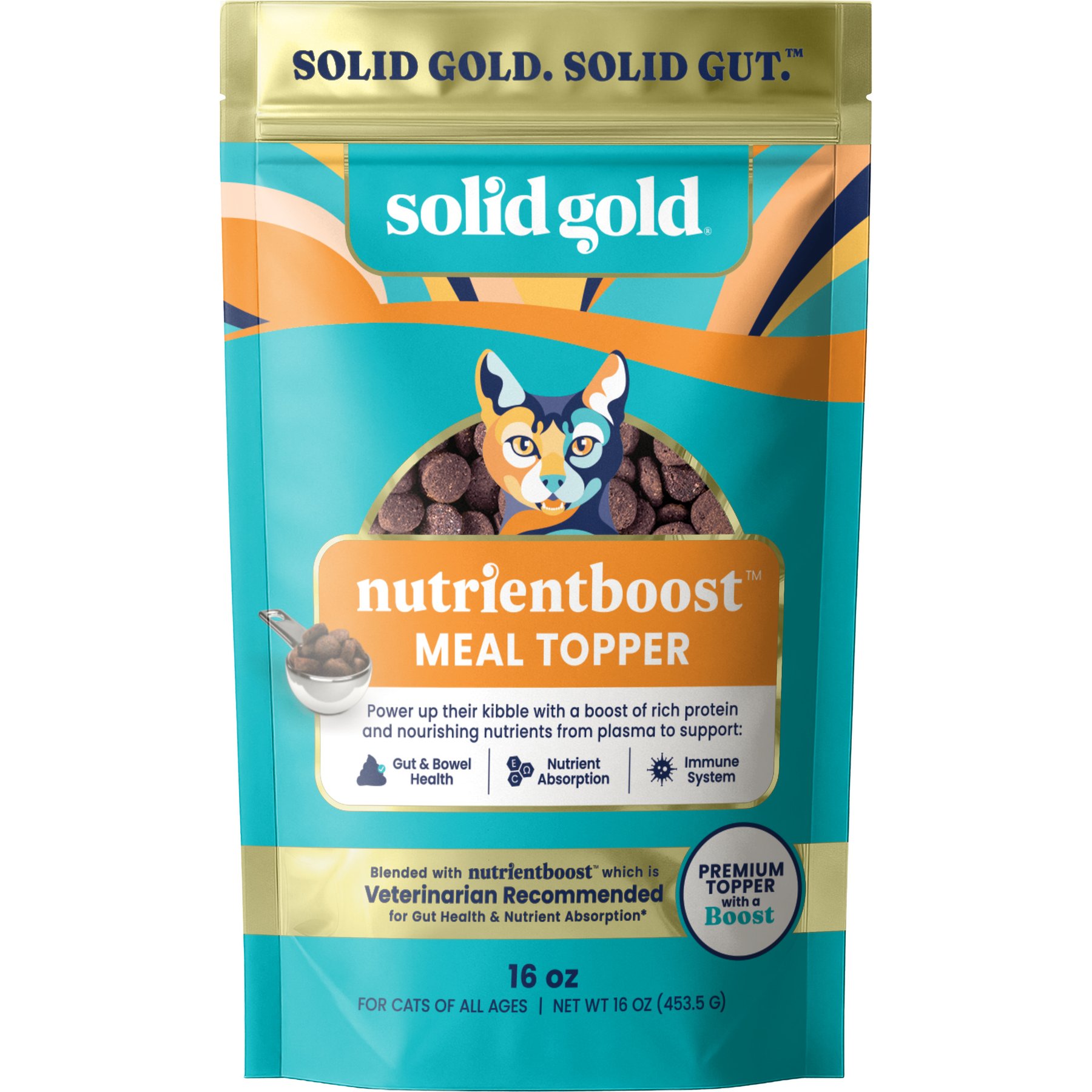
A topper is a small amount of food or powder added to the top of a meal. It can make an unfamiliar food more appealing during a switch. It does not replace a complete and balanced diet.
This powdered topper is marketed for digestion and nutrient absorption. The maker lists vitamins, minerals, amino acids and antibodies, and says the recipe is grain and gluten free.
Use a topper on the new food, not the old one, and keep the amount small. The label's serving guide still applies to the main food.
Urinary health foods: what the label claim means
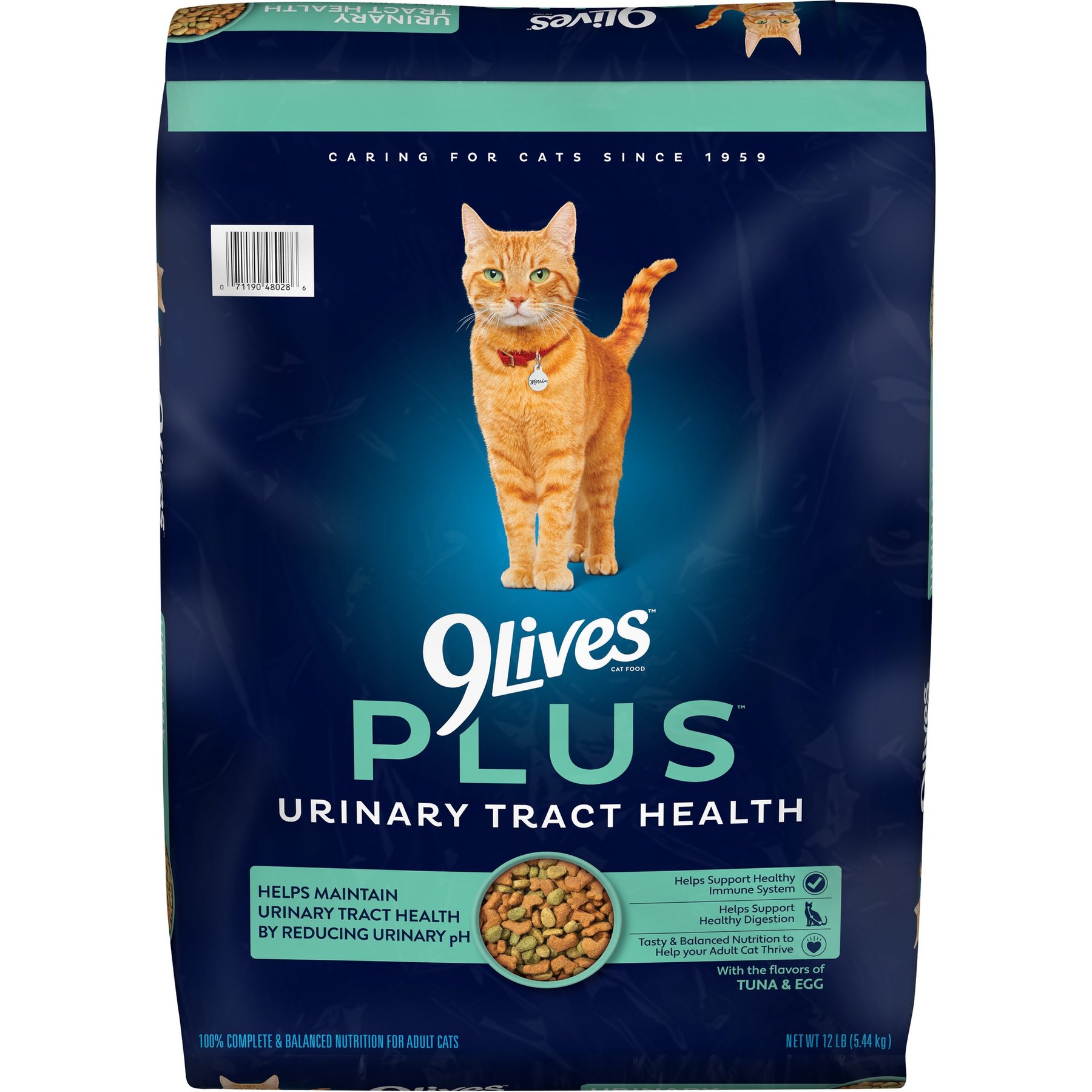
Many cats switch foods because of urinary concerns. This dry food carries a urinary label claim. Its maker says it helps maintain urinary tract health by reducing urinary pH, and that it is complete and balanced for adult cats.
That is the manufacturer's label claim, not a treatment. The Cornell Feline Health Center's page on feline lower urinary tract disease says foods marketed for urinary health may reduce the chance of urethral obstruction in cats with idiopathic cystitis. It also says there is no evidence they have reduced how often lower urinary tract signs occur.
Cornell adds that food changes can bring on a recurrence of idiopathic cystitis in some cats, and that diet and feeding schedule should stay consistent. For a cat with a urinary history, change food only with your veterinarian's input.
A cat with urinary stones or a diagnosed condition may need a prescription diet chosen by the veterinarian. An over-the-counter urinary food is not a substitute. Our feline lower urinary tract disease page explains the causes.
The urinary emergency
Cornell describes a urethral obstruction as an absolute emergency. A cat with one strains in the box, passes little or no urine, and becomes more distressed. Male cats are at higher risk.
Do not wait to see whether a food change helps. A cat straining with little or no urine needs a veterinarian now, not tomorrow.
Switching for age
Older cats often move to a senior food. Our when should I switch to senior food answer covers timing, and the senior cat food comparisons guide goes further.
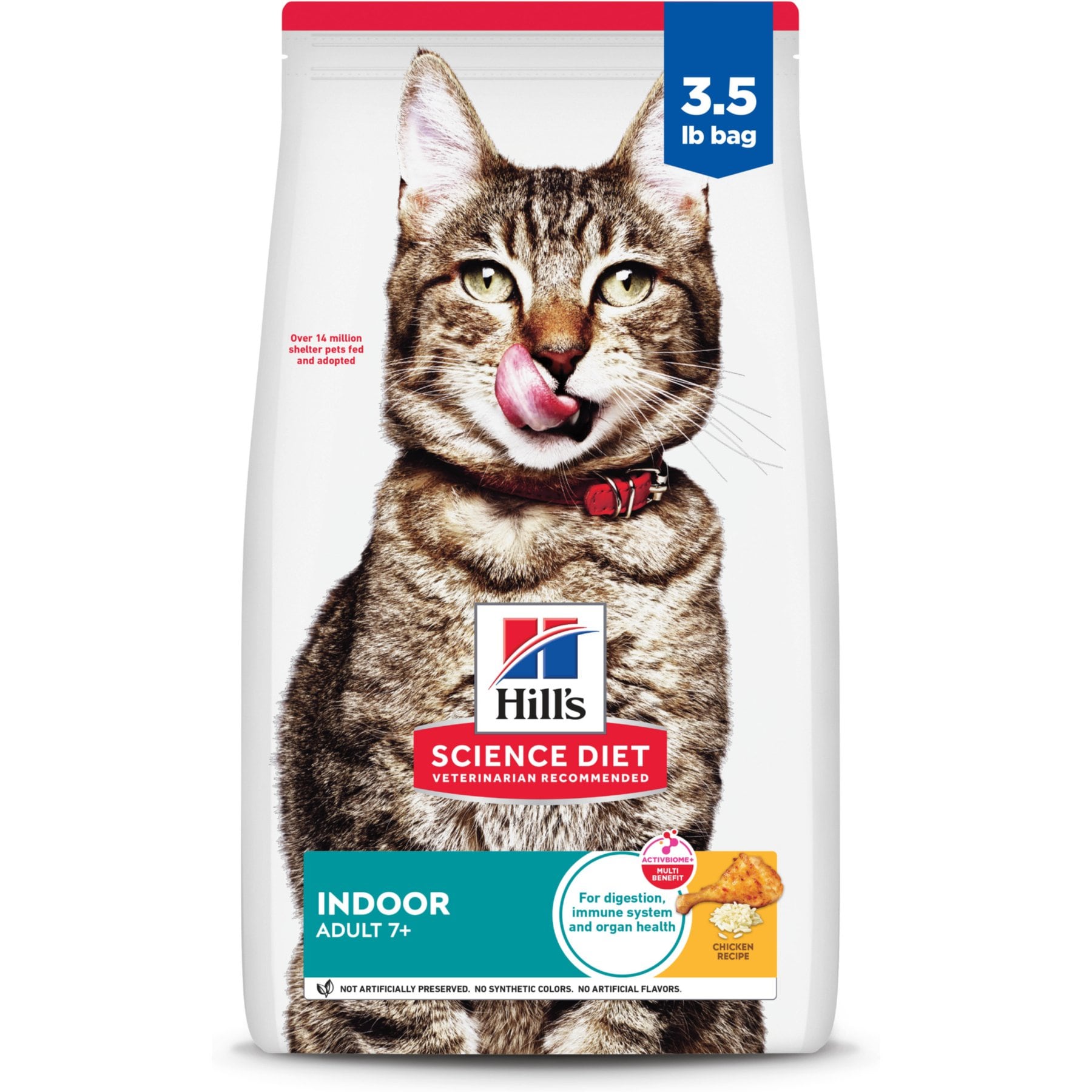
This senior indoor recipe is labeled for cats 7 and older. The maker says it contains prebiotic fibers and antioxidants and uses easy-to-digest ingredients.
A sudden change in appetite or weight in an older cat is a reason for a checkup before a food change. It can be a sign of illness rather than a food problem.
Switching protein or brand
Sometimes the reason is supply or preference. Cornell's page on feeding your cat says to check the nutritional claim on the label. It should state that the food is complete and balanced for your cat's life stage, meeting AAFCO requirements.
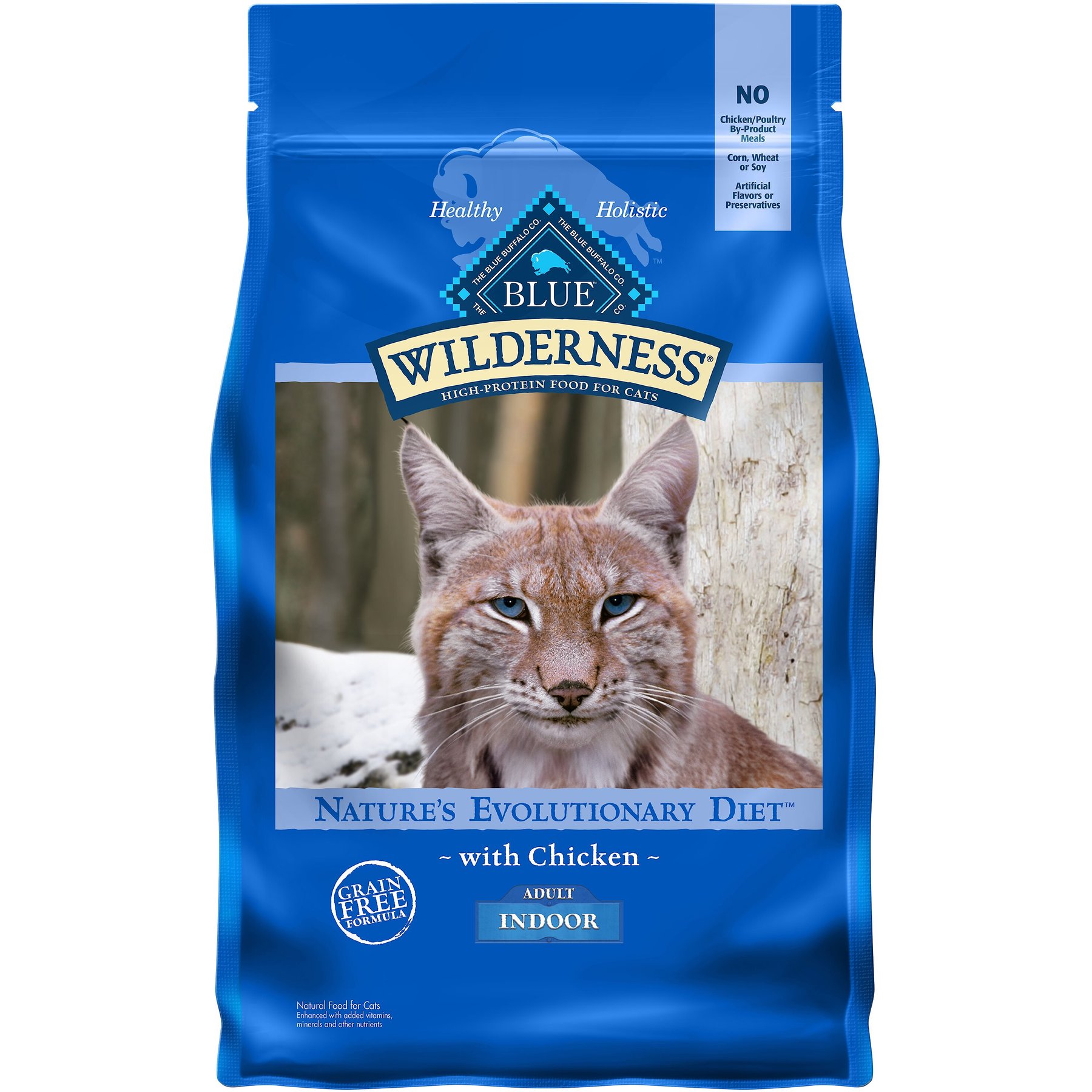
This indoor chicken recipe is made without chicken or poultry by-product meals, according to its maker. It is also free of corn, wheat and soy.
This chicken meal recipe is slow-cooked in small batches, according to its maker, and includes added taurine.
Buy the smallest bag available for a trial. A cat's refusal is common and a large open bag goes stale.
How this goes wrong
| Mistake | What happens | Better approach |
|---|---|---|
| Switching in two or three days | Cat refuses the bowl | Small steps over one to two weeks |
| Waiting out a hunger strike | Risk of hepatic lipidosis | Go back to the old food, call the vet |
| Changing food for a urinary cat alone | Recurrence in some cats | Change only with your veterinarian |
| Treating a label claim as treatment | Real problem missed | Get a diagnosis first |
| Large bag for a trial | Waste, stale food | Start with a small bag |
What to skip
- Fast switches. Cats refuse more readily than dogs.
- Hunger strikes. A cat that skips food for a few days needs a veterinarian.
- Self-prescribing urinary food. Get a diagnosis, then follow the veterinarian's diet plan.
- Toppers as the main meal. They are an add-on to a complete food.
- Switching during stress. Avoid a food change right after a move, a new pet or a boarding stay.
How to choose
Decide why you are switching: acceptance, urinary history, age or supply. For a urinary history or any health change, talk to your veterinarian first.
Move over one to two weeks in small steps, and hold whenever intake drops. A small amount of topper on the new food can help a reluctant cat.
Weigh the daily amount, and call a veterinarian if your cat eats little or nothing for more than a day. A cat straining with little or no urine needs care now.
FAQ
Frequently asked
How long should it take to switch cat food?
Plan on one to two weeks, moving in small steps and holding at any step where your cat eats less. Some cats accept a new food faster, but the goal is to keep your cat eating its full amount throughout.
What if my cat refuses the new food?
Go back to the last mix your cat ate well and slow down. Do not wait out a hunger strike. University of Illinois veterinarians warn that a cat going without food for a few days risks hepatic lipidosis, so call your veterinarian if your cat eats little or nothing for more than a day.
Do urinary health cat foods work?
Foods with a urinary label claim, such as reducing urinary pH, state what the maker says the food does. Cornell's Feline Health Center says urinary foods may reduce the chance of urethral obstruction in cats with idiopathic cystitis, but there is no evidence they reduce how often urinary signs occur. Ask your veterinarian before choosing one.
Can a cat food topper help with switching foods?
A small amount of topper on the new food can make it more appealing. Keep it small, and remember a topper does not replace a complete and balanced food.
When is a urinary problem an emergency?
When a cat strains in the litter box and passes little or no urine. Cornell calls urethral obstruction an absolute emergency, and male cats are at higher risk. Go to a veterinarian immediately.
Featured in this guide
The picks referenced above—priced and in stock at time of publication.
Affiliate links. Prices and availability change—we filter unavailable items nightly, but the retailer's page is source of truth.
Keep reading
new year basics
Dog Treats: Biscuits, Jerky and Chews Sorted by Calories, Texture and Chewing Style
new year basics
Dog Food Transition Guide: Four Days Suits Most Dogs, Sensitive Stomachs Need Longer
new year basics
Litter Box Furniture and Enclosures: Measure the Pan and the Cat Before the Cabinet
new year basics
Clumping vs Non-Clumping Cat Litter: Clumping Suits Most Cats, Pellets Suit a Few Homes
new year basics
Puppy Starter Kit: Essential Items for New Owners
evergreen
Vertical Space for Indoor Cats: Perches, Shelves and Towers That Make a Small Apartment Bigger
Discussion
Talk about Cat Food Transition Guide: Switch Slowly, and Never Let a Cat Stop Eating
Real questions from real pet owners. Add yours—signed-in members only, first three posts held for review.
Loading threads…