Senior Cat Food Compared: Senior Is Not a Life Stage
There are only two recognized life stages in pet food, and senior is not one of them. What that means for the bag in your hand, and the three things that genuinely change in an aging cat.
petsupplies.co earns a commission if you buy through the product links on this page, and the price you pay is the same either way.

There are two life stages in pet food. Growth and reproduction, and adult maintenance. That is the entire list recognized by the AAFCO nutrient profiles that regulate the label on the bag.
Senior is not one of them. A food marketed for older cats is, legally, an adult maintenance food with a word on the front, and there is no minimum standard a manufacturer must meet to print it. Two bags both saying "Senior 7+" can differ more from each other than either differs from a standard adult food.
This is not a reason to dismiss the category. Several senior formulas are carefully made and genuinely suited to older cats. It is a reason to stop treating the word on the front as the specification and start reading the panel on the back, because the word is doing no work at all.
What actually changes in an aging cat
Three things change enough to matter for feeding. Notably, none of them is "needs less protein".
Muscle loss. Aging cats lose lean body mass, and their efficiency at digesting and using protein tends to fall rather than rise. The practical consequence is that many older cats need more protein than they did at five, not less, simply to hold the muscle they have. A cat that looks bony over the spine and shoulders while still weighing the same has lost muscle and gained fat, and cutting protein makes that worse. See crude protein and amino acid profile.
The old advice to restrict protein in healthy seniors was borrowed from kidney disease management and applied far too broadly. It has not held up.
Body condition drifts, in both directions. Middle-aged cats tend to gain. Cats past about eleven tend to lose. Both matter, and the direction tells you different things, which is why a number on a scale is less useful than a body condition score from your vet, ideally recorded at every visit as the WSAVA global nutrition guidelines recommend.
Eating becomes less comfortable and less appealing. Dental disease is extremely common in older cats and genuinely painful; see periodontal disease and feline dental resorption. Smell declines with age too, and cats eat largely by smell. A cat that has gone off its food has often not become fussy; it has developed a reason.
The most important thing on this page
An older cat losing weight without you trying is a veterinary appointment, not a shopping decision.
Unintentional weight loss is one of the most useful early signals in feline medicine, and the usual causes are all diagnosable: hyperthyroidism, chronic kidney disease, diabetes, intestinal disease, dental pain, cancer. Several of these are very manageable when caught early and considerably less so when caught late.
Buying a higher-calorie food to counteract the loss feeds the cat around the problem and buys the disease several months of uninterrupted progress. Bloodwork and a urine sample first. Then feed to whatever you find. The same applies to vomiting, increased thirst, or a change in litter box habits.
Related, and worth stating plainly: do not put a healthy cat on a therapeutic renal diet as a precaution. Those diets restrict protein and phosphorus because that helps cats with diagnosed, staged kidney disease. In a healthy cat you get the restriction and none of the benefit, and the protein restriction runs directly against the muscle maintenance an old cat needs. See prescription diet.
Reading the label properly
Four things on the back of the bag are worth more than everything on the front.
The AAFCO statement. Look for the phrasing. "Formulated to meet the nutritional levels established by the AAFCO cat food nutrient profiles" means it was calculated on paper. "Animal feeding tests using AAFCO procedures substantiate that this product provides complete and balanced nutrition" means it was actually fed to cats. The second is a stronger claim. See AAFCO statement and life stage formula.
Protein, converted properly. The guaranteed analysis is as-fed, so wet and dry foods cannot be compared directly: an 8 percent protein wet food may well be higher in protein than a 30 percent dry once you account for water. Convert to dry matter, or compare like with like. See wet versus dry and moisture.
Calories per can or cup. Densities vary by more than half between products, so "one cup" is not a unit and a food change can quietly become a fifteen percent ration change. See caloric density.
Who made it. Whether the company employs a qualified nutritionist, runs feeding trials and does its own quality control matters more than any ingredient on the list.
The comparison, in practice
Wet food is the default worth defaulting to for older cats. It carries moisture, which suits cats with reduced thirst drive and any degree of kidney compromise; it is easier on a sore mouth; and it is generally more palatable to a cat whose sense of smell has faded.
The large manufacturers with feeding trials and in-house nutritionists are the conservative choice here, and conservative is the right instinct for an old cat.
If your cat is holding weight poorly and the vet has ruled out disease, a higher-protein wet formula is the sensible direction: more protein, not fewer calories.
Dry food is not disqualified. It is convenient, it is cheaper per calorie, and plenty of old cats do well on it, particularly alongside wet food rather than instead of it. If your cat prefers dry and is drinking well, a senior dry formula from a serious manufacturer is a reasonable base.
For the specific and common problem of an old cat that has simply stopped finding food interesting, high-moisture, strongly aromatic products are the practical tool: warmed slightly, offered often, in small amounts.
How this goes wrong
| What gets bought | Why it disappoints | What to do instead |
|---|---|---|
| A senior food chosen on the word alone | Unregulated term; tells you nothing about the formula | Read the AAFCO statement and protein on the back |
| Low-protein food for a healthy old cat | Accelerates the muscle loss you are trying to prevent | More protein, unless a diagnosis says otherwise |
| Renal diet fed as a precaution | Restriction with no benefit in a healthy cat | Bloodwork first, then feed to the diagnosis |
| A calorie-dense food for unexplained weight loss | Masks a diagnosable disease for months | Vet visit before any food change |
| An abrupt switch to a new bag | Refusal, or vomiting and diarrhea | Transition over seven to ten days |
| Free-feeding dry to a cat that is gaining | Slow weight gain nobody notices until it is substantial | Measured portions, see feline obesity |
What to skip
- Any food chosen because the bag says senior. It is not a standard. The panel is.
- Protein restriction without a diagnosis. The single most damaging piece of outdated advice in this category.
- Prescription diets bought without the prescription. They exist to treat specific diagnosed disease, and they are the wrong food for a cat that does not have it.
- Dental treats as a substitute for dental treatment. A painful mouth needs examining under anesthetic, not a crunchy biscuit. See how do I brush my dog's teeth for the equivalent home-care reality.
- Switching foods to solve a symptom. Weight loss, vomiting and appetite change are diagnostic information. Spend them at the vet, not in the aisle.
How to choose
If your cat is a healthy weight, eating well and has normal bloodwork, change nothing. Age alone is not a reason. See when should I switch to senior food.
If you are choosing anyway, choose wet, from a manufacturer that runs feeding trials, with protein on the higher side rather than the lower.
Get bloodwork annually from about seven, and twice yearly past eleven. It is the single highest-value thing on this page, and it is not a food.
And weigh the cat at home every month or two. A steady half-kilogram loss over six months is invisible in the living room and completely obvious on a kitchen scale, and finding it early is worth more than any bag you can buy.
FAQ
Frequently asked
Is senior an official life stage in cat food?
No. AAFCO nutrient profiles recognize two: growth and reproduction, and adult maintenance. A bag labeled senior is legally an adult maintenance food with a marketing term on the front, and there is no minimum standard it has to meet to earn the word. That does not make senior foods useless (many are carefully formulated) but it means the label tells you nothing on its own and you have to read the panel.
Do older cats need less protein?
The opposite, in most cases. Aging cats lose lean muscle mass, and their ability to digest and use protein tends to decline rather than improve, so many need more protein than a young adult to hold condition. The old advice to restrict protein in healthy seniors was extrapolated from kidney disease management and has not held up. Protein restriction belongs to specific diagnosed conditions, prescribed by your vet, not to age itself.
When should I switch my cat to a senior food?
There is no age at which a switch becomes necessary. Cats are commonly called senior from around eleven, but the decision should follow the cat rather than the birthday. If your cat is holding a healthy body condition on its current food, eating well and has normal bloodwork, there is no reason to change anything. Change in response to something (weight loss, dental pain, a diagnosis), not in response to a number.
My old cat is losing weight. Should I buy a higher-calorie food?
See a vet first. Unintentional weight loss in an older cat is one of the most useful warning signs in feline medicine, and the common causes (hyperthyroidism, chronic kidney disease, diabetes, intestinal disease, cancer) all need diagnosis rather than more calories. Feeding around the problem delays the treatment and wastes the window in which several of these are very manageable.
Should I put my senior cat on a kidney diet as a precaution?
No. Therapeutic renal diets are restricted in protein and phosphorus for cats with diagnosed and staged kidney disease, where the benefit is real. Fed to a healthy cat they are simply a restricted diet with no upside, and the protein restriction works against the muscle maintenance an old cat needs. These are prescription diets for a reason. Get bloodwork, get a diagnosis, then feed to it.
Featured in this guide
The picks referenced above—priced and in stock at time of publication.
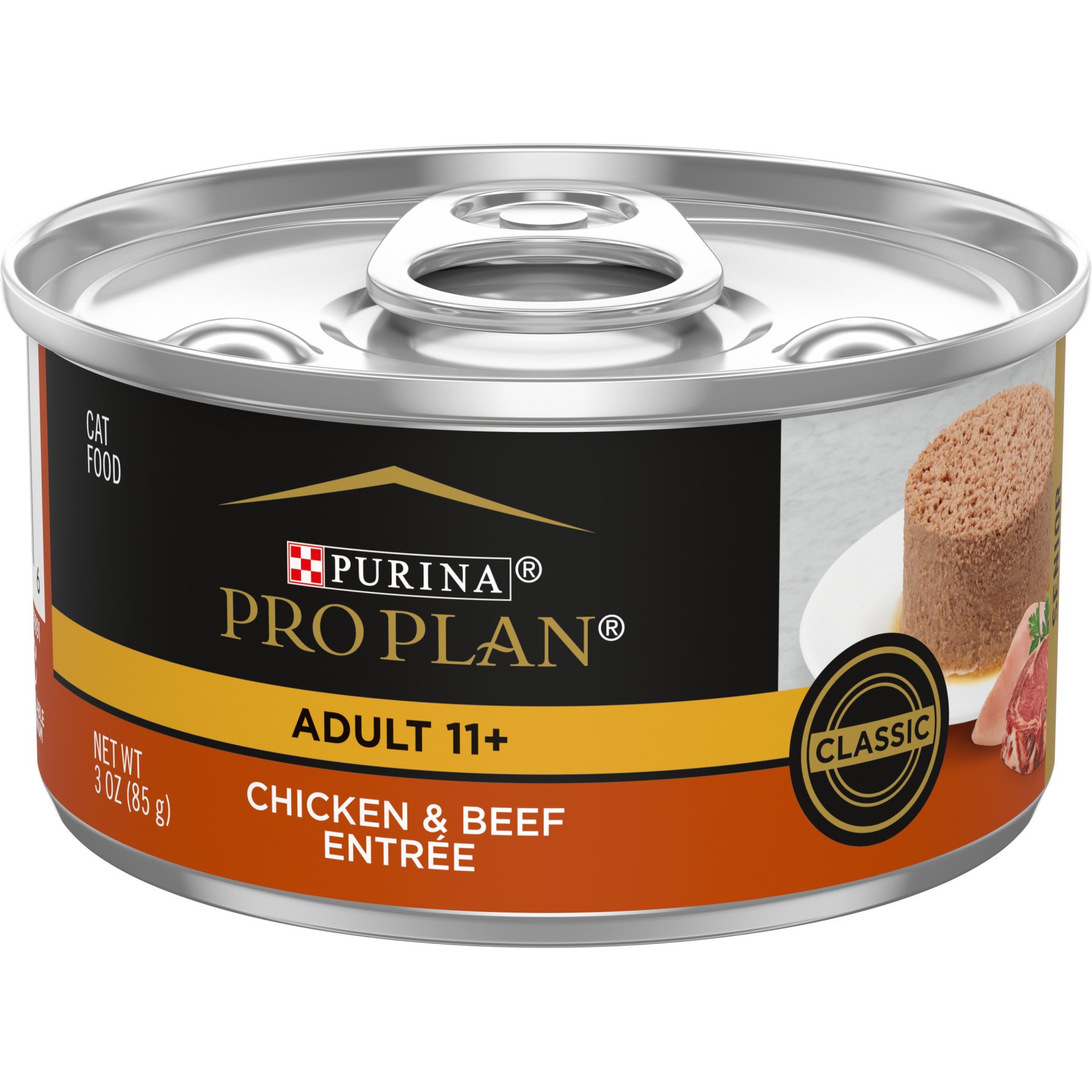


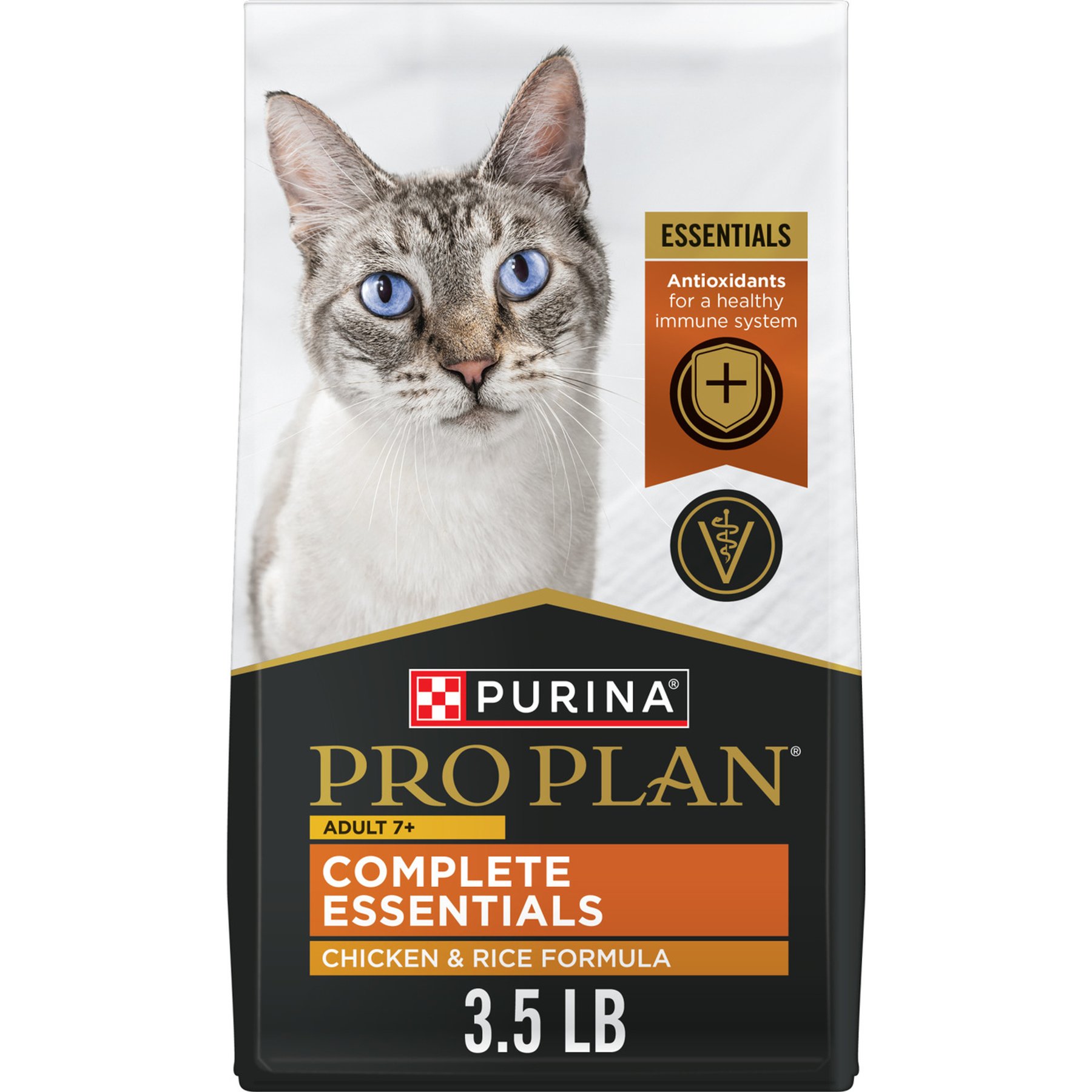
Affiliate links. Prices and availability change—we filter unavailable items nightly, but the retailer's page is source of truth.
Keep reading
senior pet care
Calming Aids for Senior Cats: In an Old Cat, Restlessness Is Usually Medical
senior pet care
Soft Food for Senior Cats: Usually a Symptom Before It Is a Preference
senior pet care
Low-Impact Toys for Older Dogs: Keep the Play, Lose the Landing
senior pet care
Raised Feeders for Older Dogs: Right for a Few, Wrong for the Ones Most Often Given Them
senior pet care
Incontinence in Senior Pets: Find Out Which Kind Before You Buy Anything
senior pet care
Harnesses for Arthritic Dogs: A Walking Harness and a Lifting Harness Are Not the Same Thing
Discussion
Talk about Senior Cat Food Compared: Senior Is Not a Life Stage
Real questions from real pet owners. Add yours—signed-in members only, first three posts held for review.
Loading threads…