Joint Supplements for Senior Dogs: Which Ones Have Evidence Behind Them
Most of this category rests on weaker evidence than the packaging implies, and one option is better supported than the rest. Also: the free intervention that outperforms every supplement on the shelf.
petsupplies.co earns a commission if you buy through the product links on this page, and the price you pay is the same either way.

A senior dog that is slowing down is one of the more emotionally effective sales environments in the pet aisle, and the joint supplement category has been built accordingly. Almost everything in it is sold on a mechanism rather than an outcome: this ingredient is a building block of cartilage, therefore feeding it must rebuild cartilage.
Biological plausibility is not evidence, and in this category the gap between the two is unusually wide. What follows is an honest sort: one option with real supporting data, one with weak and inconsistent data that is still cheap enough to trial, an entire sub-category that does almost nothing, and a free intervention that outperforms all of them.
Start by being clear about what you are treating. Most of these dogs have osteoarthritis: a progressive, painful, permanent degeneration of the joint. It is managed rather than cured, and the management that works is multimodal: weight, exercise, veterinary pain control, and the home environment. Supplements sit at the edge of that picture, not the center.
The intervention that beats every supplement
If you do one thing for an arthritic dog, get the weight off it.
This is not a hedge or a preamble. In the Purina lifetime study, Labrador Retrievers fed a restricted ration lived a median of roughly two years longer than their free-fed littermates, and (directly relevant here) developed radiographic signs of hip osteoarthritis later and less severely (Kealy et al., JAVMA, 2002). No supplement in this category has produced anything approaching that effect size.
The mechanics are unglamorous. Every extra kilogram is load through an already painful joint, and fat tissue is metabolically active and pro-inflammatory, so the weight is not merely mechanical. A dog that loses weight often moves better within weeks, and owners routinely mistake this for the supplement they started at the same time.
So, before anything else:
- Get a body condition score on the 9-point scale from your veterinarian, written down, so you have a baseline rather than an impression.
- Work from your food's caloric density, weigh the ration, and count everything, including the treats used to hide the supplements.
- Re-weigh every two weeks. See how do I know if my dog is overweight and canine obesity.
The WSAVA global nutrition guidelines treat body condition assessment as routine at every examination, for exactly these reasons.
The second free intervention is controlled exercise. Arthritic joints do worse with rest and worse with weekend heroics. What they want is regular, moderate, low-impact movement: several short leash walks daily rather than one long one, and no repetitive ball-chasing with hard stops. See how much exercise does my dog need.
Omega-3: the one with real support
Marine-source omega-3 fatty acids (EPA and DHA specifically) are the best-supported supplement in this category by a clear margin. Controlled studies in dogs with osteoarthritis have reported measurable improvements in lameness and owner-assessed mobility, and the proposed mechanism is genuinely anti-inflammatory rather than structural.
Three practical points decide whether it does anything.
Dose by EPA and DHA, not by volume. This is where most people go wrong. Products vary enormously in concentration, so "a pump a day" is not a dose. Read the EPA and DHA milligrams on the label and ask your veterinarian for the right daily amount for your dog's weight, because the doses studied for joint disease are meaningfully higher than the general skin-and-coat doses printed on most bottles.
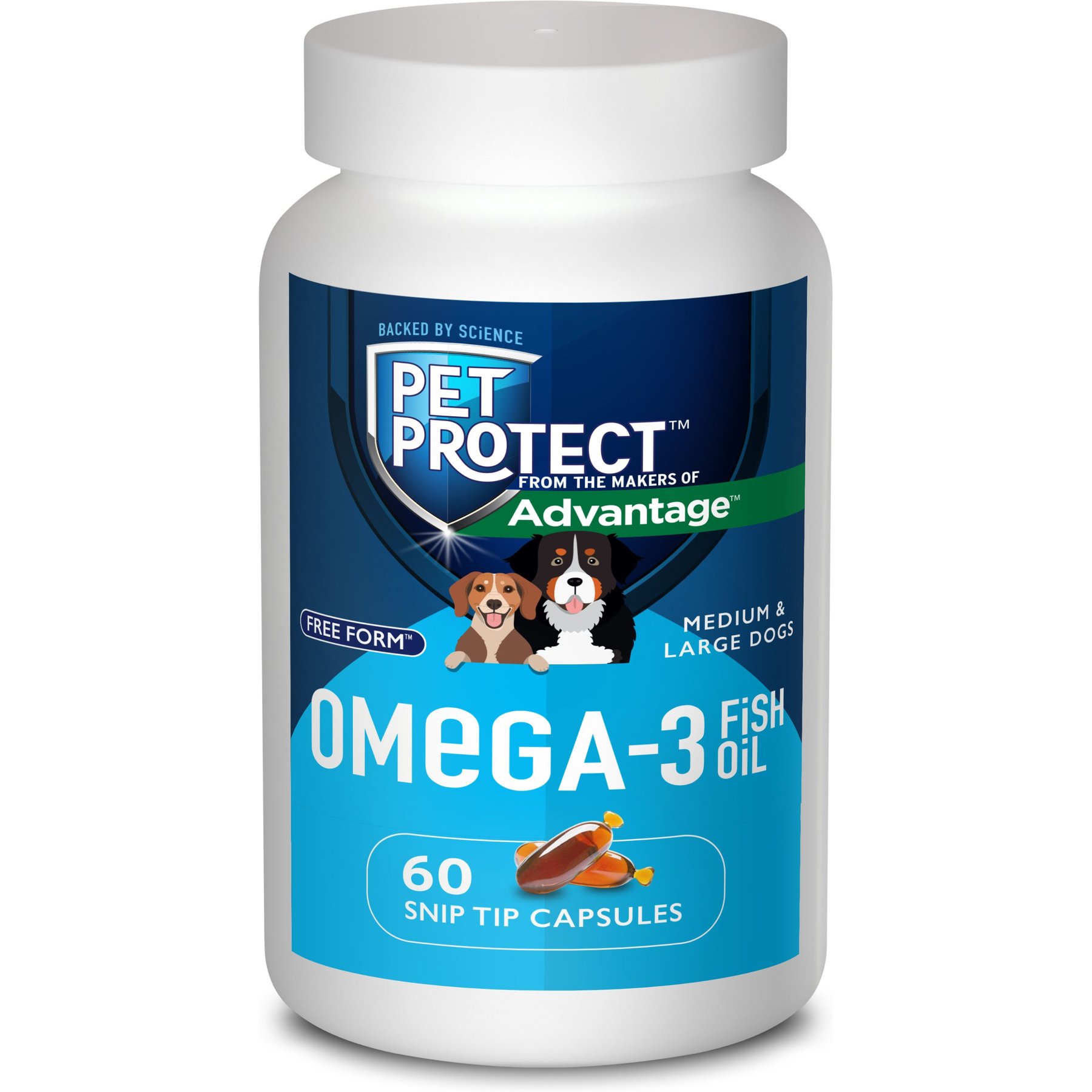
Capsules make dosing exact; pumps make it easy. Capsules are the better format if you want to be precise and avoid a rancid open bottle. See omega-3 EPA and DHA.
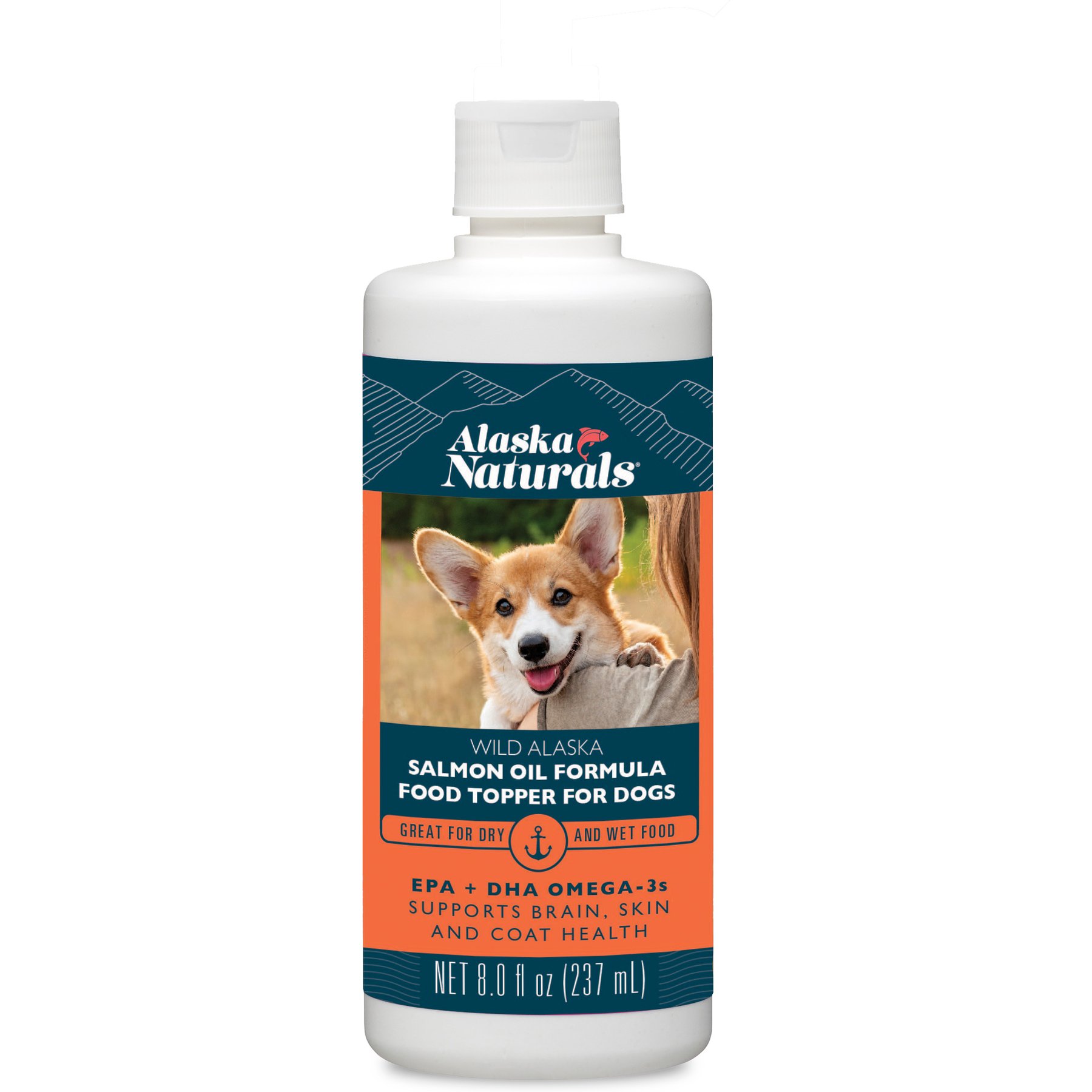
Oil goes rancid. A liquid bottle should be refrigerated after opening and used within its window. If it smells sharp rather than mildly of fish, discard it: oxidized oil is pro-inflammatory, which is precisely backwards.
Two cautions. Omega-3 at therapeutic doses can affect platelet function, so tell your veterinarian before any surgery. And skip cod liver oil for this purpose: its vitamin A content makes it unsuitable at the volumes involved.
Glucosamine and chondroitin: weak, cheap, worth a defined trial
This is the ingredient pair the category is built on, and the evidence is genuinely disappointing.
Large, well-conducted human trials have mostly failed to separate glucosamine and chondroitin from placebo. The canine literature is smaller, shorter and inconsistent, with some studies reporting modest improvement and others none. Absence of strong evidence is not proof of uselessness, but it does mean nobody can honestly promise you a result. See glucosamine.
There is also a regulatory wrinkle worth knowing. These are sold as supplements, not drugs, which means no requirement to demonstrate efficacy before sale, and independent testing has repeatedly found products whose actual content does not match the label. Buying from a manufacturer that does its own quality testing is worth more here than in most categories.
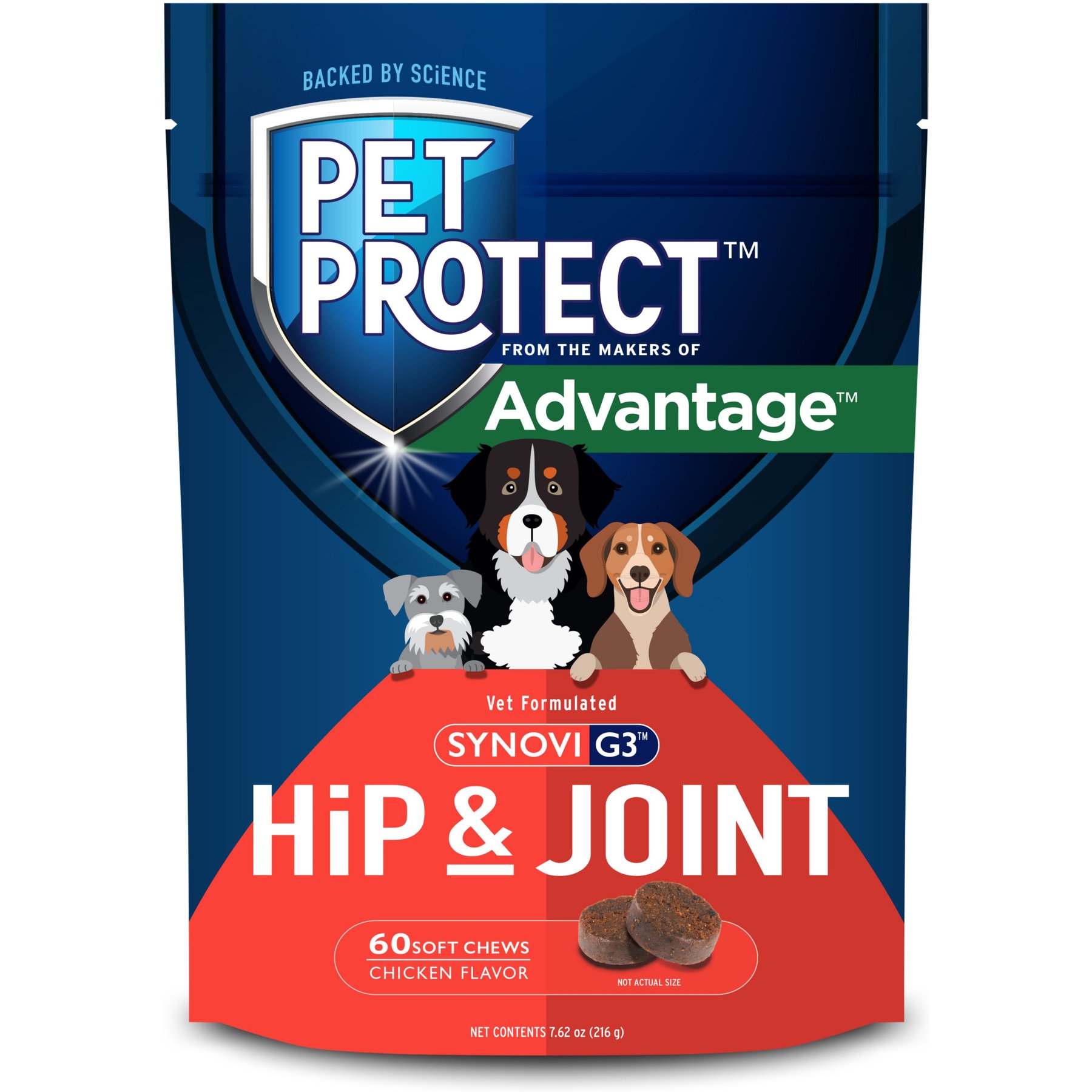
Given all that, the sensible approach is a defined trial rather than an indefinite habit. Pick one product, give it at the labeled dose for six to eight weeks, and decide honestly at the end whether the dog is doing more. If nothing changed, stop and spend the money on something else: a joint diet, a physiotherapy assessment, better pain control.
If you would rather not commit to a large tub before knowing whether the dog will even eat it, start with a small count.
For dogs that detect and reject chews, a liquid mixed into food is the practical alternative.
Where the money gets wasted
| What gets bought | Why it disappoints | What to do instead |
|---|---|---|
| Hip-and-joint biscuits and jerky | Token active ingredient, well below studied doses; adds calories | Buy a dosed supplement; keep treats as treats |
| Bone broth with glucosamine | Trace quantities; sold on the word, not the amount | Read the milligrams per serving before buying anything |
| A supplement for a newly limping dog | Delays diagnosis of injuries that need treatment now | Get the leg examined first |
| Four supplements started at once | No way to tell which, if any, did anything | One at a time, six to eight weeks, honest assessment |
| Supplements instead of prescribed pain relief | Leaves a painful dog in pain | Supplements alongside veterinary pain control |
| The cheapest tub available | Label accuracy is a real problem in this category | A manufacturer that tests its own product |
The rest of the plan
Supplements are the smallest lever. The rest of it matters more and mostly is not sold in a bottle.
Veterinary pain control. Osteoarthritis hurts continuously. There are licensed medications that work, and withholding them while trialing supplements is the most common way owners accidentally prolong their dog's discomfort. Have that conversation early.
Traction. Hard floors are a significant problem for an arthritic dog: a slip is painful and, worse, the fear of slipping changes how a dog moves and accelerates muscle loss. Runners along the routes the dog uses cost little and help immediately.
A bed that supports the joints, in a warm spot. Cold stiffens arthritic joints, and a thin bed on a hard floor is a poor night's sleep for a dog that already hurts.
Physiotherapy and hydrotherapy. Underused, and for the right dog considerably more effective than anything on this page. Ask for a referral.
Watch for the other diagnoses. Not every stiff senior has simple arthritis. Sudden hind-limb lameness can be cruciate ligament rupture; a young dog with hip pain may have hip dysplasia; intermittent skipping on a hind leg is often patellar luxation. Each has its own management.
What to skip
- Treats marketed as joint support. The active ingredient is a rounding error and the calories are not.
- Any product promising to rebuild or regrow cartilage. Nothing available over the counter does this.
- Starting a supplement instead of getting a limp diagnosed. The most costly mistake in this category, and the most common.
- Indefinite trials. If eight weeks produced nothing, the ninth week will not either.
- Stacking four products at once. You learn nothing, and you are usually paying for the same two ingredients repeatedly.
How to choose
If you buy one thing, buy a marine omega-3, dose it by EPA and DHA with your veterinarian's guidance, and keep it fresh.
If you want to try glucosamine and chondroitin, treat it as an experiment with an end date rather than a subscription.
Skip the treats entirely, and put the money toward a physiotherapy assessment or a better bed.
And get the weight off. It is free, it is better supported than everything else on this page combined, and it is the one intervention where you can be confident the effort is not wasted. See when should I switch to senior food for the diet side of the same conversation.
FAQ
Frequently asked
Do glucosamine and chondroitin actually work for dogs?
The evidence is weak and inconsistent. Large human trials have largely failed to show benefit over placebo, and the canine studies are smaller, shorter and mixed. That is not proof of nothing, but it is a long way from the certainty the packaging projects. They are cheap and generally safe, so a supervised trial is reasonable. Give it six to eight weeks, decide honestly whether anything changed, and stop if it did not.
Which joint supplement has the best evidence?
Omega-3 fatty acids from marine sources, specifically EPA and DHA. Several controlled studies in dogs with osteoarthritis have reported improvements in lameness scoring and owner-assessed mobility, and the effect appears to be genuinely anti-inflammatory rather than a matter of belief. It is still a modest effect and not a substitute for veterinary pain control, but if you buy one thing in this category, buy this one and dose it properly.
Are hip-and-joint treats a cheap way to supplement?
No, and this is the most common waste of money here. A biscuit marketed on a hip-and-joint claim typically contains a token quantity of active ingredient (far below anything used in the studies) because the product is a treat first. You are buying a treat with a claim printed on it, and you are adding calories to a dog whose joints would benefit from fewer. If you want to supplement, buy something dosed as a supplement.
My dog has started limping. Should I start a supplement?
Start with a diagnosis. Limping has many causes and several of them are urgent: cruciate ligament rupture, a soft-tissue injury, a bone tumor, an infected wound between the toes. Supplements do nothing for any of those and delay is expensive. Get the leg examined, find out what is wrong, then decide what belongs in the long-term plan.
Can I just add human fish oil capsules?
Often yes, with two cautions. Dose by EPA and DHA content rather than by capsule size, because concentrations vary enormously between products, and ask your veterinarian for the right amount for your dog's weight: the therapeutic doses used for joint disease are higher than general skin-and-coat doses. Avoid cod liver oil specifically, because its vitamin A content makes it unsuitable at those volumes.
Featured in this guide
The picks referenced above—priced and in stock at time of publication.

Affiliate links. Prices and availability change—we filter unavailable items nightly, but the retailer's page is source of truth.
Keep reading
senior pet care
Low-Impact Toys for Older Dogs: Keep the Play, Lose the Landing
senior pet care
Raised Feeders for Older Dogs: Right for a Few, Wrong for the Ones Most Often Given Them
senior pet care
Harnesses for Arthritic Dogs: A Walking Harness and a Lifting Harness Are Not the Same Thing
senior pet care
Water Fountains and Hydration for Senior Pets: Measure First, Then Buy
senior pet care
Orthopedic Dog Beds: An Unregulated Word and the Specification That Matters
senior pet care
Calming Aids for Senior Cats: In an Old Cat, Restlessness Is Usually Medical
Discussion
Talk about Joint Supplements for Senior Dogs: Which Ones Have Evidence Behind Them
Real questions from real pet owners. Add yours—signed-in members only, first three posts held for review.
Loading threads…