Cats in Summer Heat: The Signs of Feline Heat Stress Owners Miss
Cats are not little dogs in the heat. Panting in a cat is not "hot"; it is an emergency. Here are the earlier signs owners miss and what actually cools a cat.
petsupplies.co earns a commission if you buy through the product links on this page, and the price you pay is the same either way.

Dogs pant. Cats do not, at least not as a routine cooling strategy, and not until something has gone wrong. This is the single most important fact for cat owners to internalize before every summer: an open-mouth breathing cat is not "hot," the way a panting dog is hot. A cat that is panting is a cat in trouble, and the clock is already running.
Feline heat stress is under-recognized in general practice for a straightforward reason. Cats are ambush predators evolved from desert-adjacent ancestors, they are exceptionally good at hiding weakness, and their heat-loss options are limited. By the time an owner notices something is wrong, the cat has often been decompensating for hours in a corner of the house the owner does not check. The signs are quieter than a dog's, and they are quieter on purpose.
This guide is what a cat-only clinician would tell you at the front desk: how cats actually shed heat, the signs that owners consistently miss, when it is an emergency, and what actually works to cool a cat. It draws on current guidance from the American Veterinary Medical Association's hot weather safety brief, International Cat Care's hazardous weather guidance, and the Cornell Feline Health Center's feline heat safety guidance. None of this is speculative.
How cats actually shed heat
Cats are obligate nasal breathers under normal conditions. Their primary heat-loss mechanisms, in order of how much heat they can actually move, are:
- Radiant heat loss through the skin (limited by their fur)
- Grooming: evaporation of saliva off the coat gives real but modest cooling
- Seeking cool surfaces (tile, bathtub, hardwood in shade)
- Reducing activity (a cat sprawled flat is thermoregulating, not lazy)
Panting sits at the far end of the list. Cats can pant, but it is a distress response, not a routine tool. A healthy cat resting in a comfortable room will not pant, will not open-mouth breathe, and will not drool from heat. Any of those means the earlier mechanisms have already failed.
The signs owners miss
Owners are trained by dog ownership to watch for panting. In a cat, panting is late. The earlier signs are behavioral, and they are quiet.
| Stage | What you will see | What to do |
|---|---|---|
| Early heat stress | Flat sprawl on tile or bathroom floor; unusually still; grooming more than normal; slight increase in respiratory rate | Move to the coolest room in the house, offer cool water, monitor closely |
| Moderate heat stress | Restlessness, seeking cool spots repeatedly; drooling or wet chin; visibly rapid breathing at rest | Actively cool now (see below); this is the last off-ramp before emergency |
| Emergency (heatstroke) | Open-mouth panting; bright red or bluish gums; lethargy, weakness, or stumbling; vomiting; collapse; body temperature above 104°F | Cool actively while transporting to an emergency veterinarian |
Normal feline resting respiratory rate is roughly 15 to 30 breaths per minute, measured with the cat calm and asleep. A resting cat breathing above 40, or a cat breathing with visible chest and abdominal effort, is a cat in respiratory distress regardless of the ambient temperature; this is a same-day vet call.
Normal feline body temperature is 100.5 to 102.5°F. Anything at or above 104°F is heatstroke and needs the emergency room. Below 100°F on a cat you just cooled aggressively is also a problem: cooling has overshot and the cat is now hypothermic.
The cool-down protocol
If you catch heat stress before it becomes heatstroke, the fix is unglamorous and effective. In order:
- Move the cat to the coolest room in the house, usually a bathroom or a hardwood-floor room away from direct sun.
- Wet the paw pads, ears, and belly fur with room-temperature water. Not ice. Not cold tap water. Ice-water cooling on a small animal causes peripheral vasoconstriction, which paradoxically slows core cooling and can push a compromised cat into shock. This is the same principle that governs cooling in canine heatstroke, and if you want the underlying physiology, our dog heatstroke first-aid guide walks through it with the veterinary emergency literature.
- Airflow. A fan pointed near, not directly at, the cat accelerates evaporation off the damp coat. This is where most of the cooling actually happens.
- Offer cool (not iced) water. Do not force it. A cat that will not drink at this stage needs a vet, not a syringe.
- Take the rectal temperature every ten minutes if you have the thermometer and the cat will tolerate it. Stop active cooling at 103.5°F and let the cat coast the rest of the way down; if you overshoot, the cat becomes hypothermic and gets worse.
Any cat that fails to visibly improve within twenty minutes, or that shows any emergency-tier sign at any point, goes to the emergency veterinarian while cooling continues in the carrier. Feline heatstroke has organ-damage consequences that lag behind the visible recovery: a cat that looks fine an hour after a heatstroke event still needs bloodwork.
The cats who are highest-risk
Every cat can overheat. These cats overheat faster and decompensate quieter:
| Risk factor | Why it matters |
|---|---|
| Brachycephalic breeds (Persian, Exotic Shorthair, Himalayan) | Compromised airway means panting is even less efficient and starts sooner |
| Senior cats (11+) | Reduced thermoregulatory reserve, higher rate of underlying kidney or heart disease |
| Overweight or obese | Insulation cuts both ways; fat retains heat as effectively as it retains cold |
| Thick or long double coats (Maine Coon, Norwegian Forest, Ragdoll) | Radiant loss is impaired; grooming is often insufficient in humid weather |
| Chronic kidney disease | Reduced ability to concentrate urine means dehydration arrives faster |
| Hyperthyroid or on certain heart medications | Underlying tachycardia or vasodilation changes the baseline |
| Kittens under four months | Immature thermoregulation, small mass, dehydrate in hours |
If any of the above describes your cat, the summer strategy is not reactive; it is preventive, and it starts in June.
What actually works, in the room
Cats reject anything they associate with stress. The interventions that survive contact with an actual cat are the ones the cat controls.
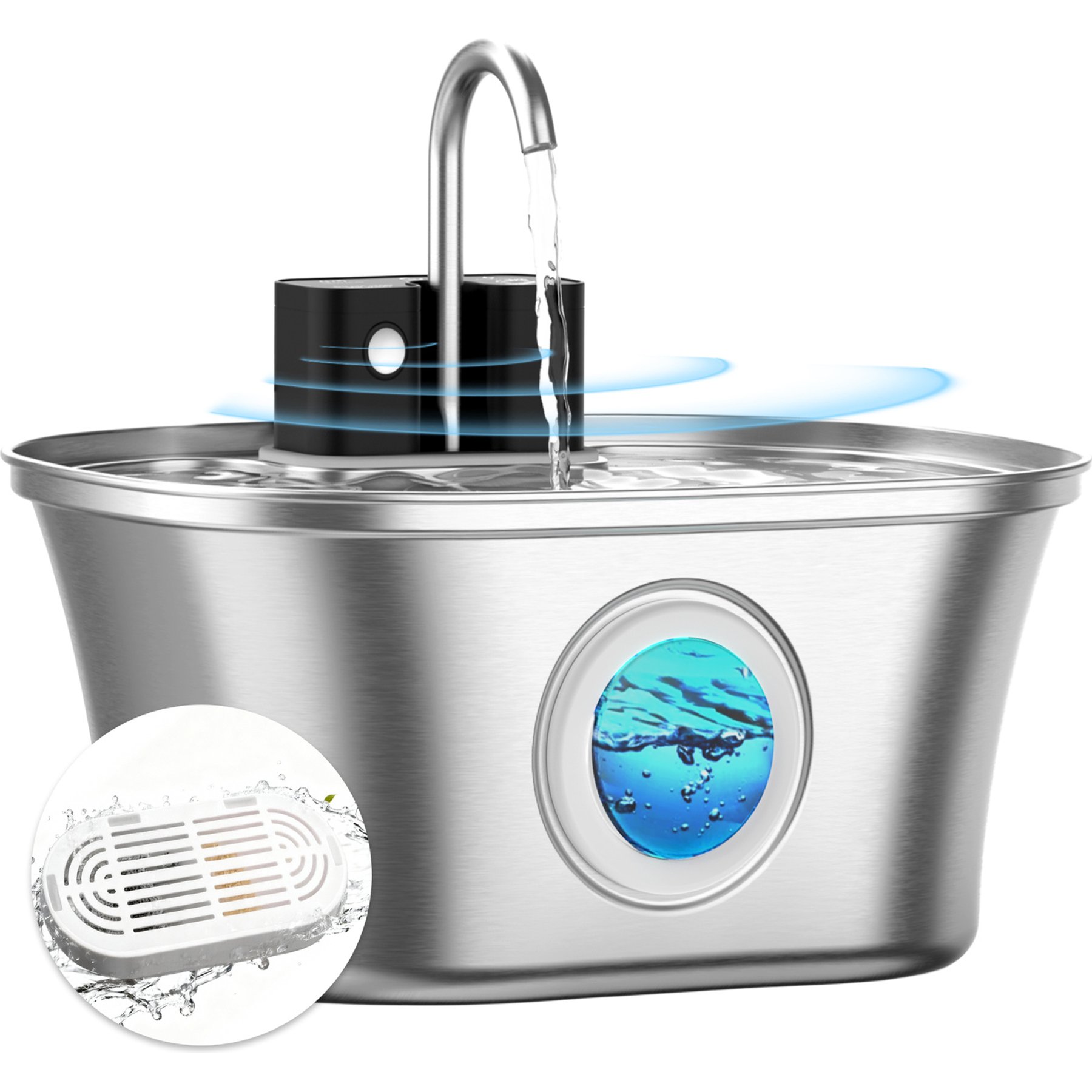
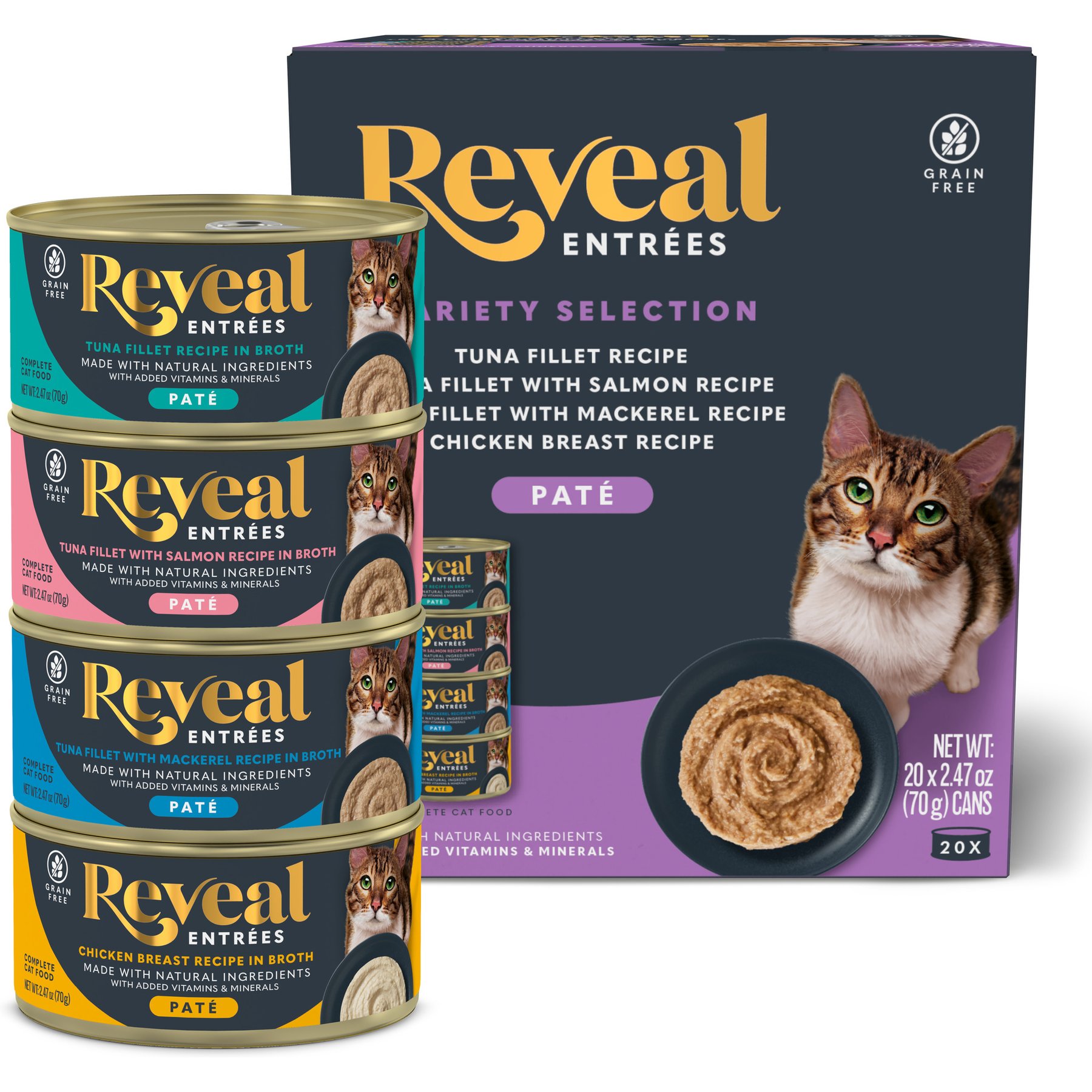
Hydration. Wet food is not optional in a hot household with a senior or CKD cat; it is the single largest lever for daily water intake. is listed as a complete and balanced pate in 2.47-oz cans, free of grains and carrageenan. is listed as a limited-ingredient complement to a complete diet, so it adds to a meal rather than replacing one. A running-water source raises daily intake in many cats: pick one with a large enough basin that the cat is not drinking against the pump. runs quiet enough that cats who abandoned noisy plastic fountains will re-approach it. Stainless is easier to keep biofilm-free than plastic; biofilm is the reason cats reject a fountain three weeks after you set it up.
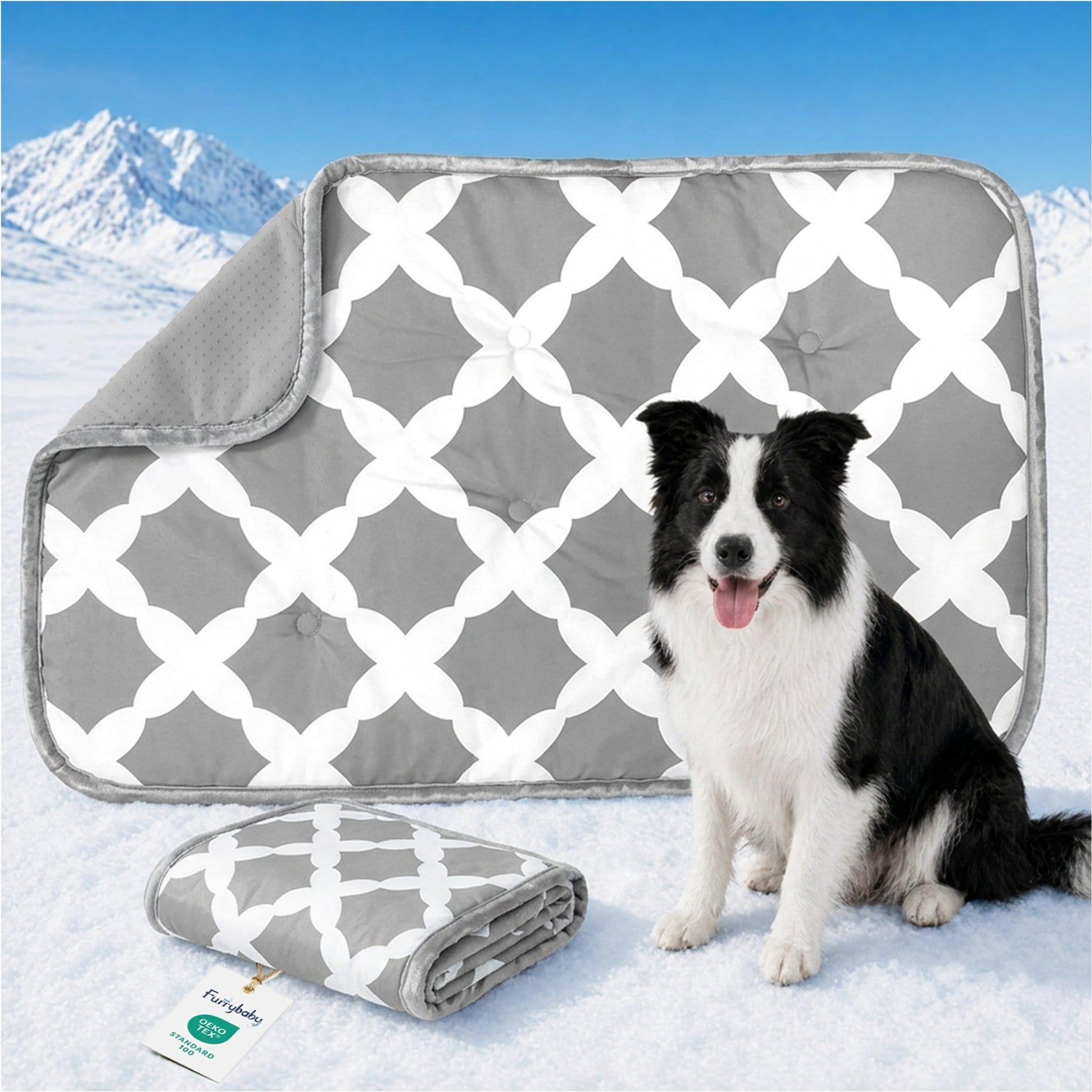
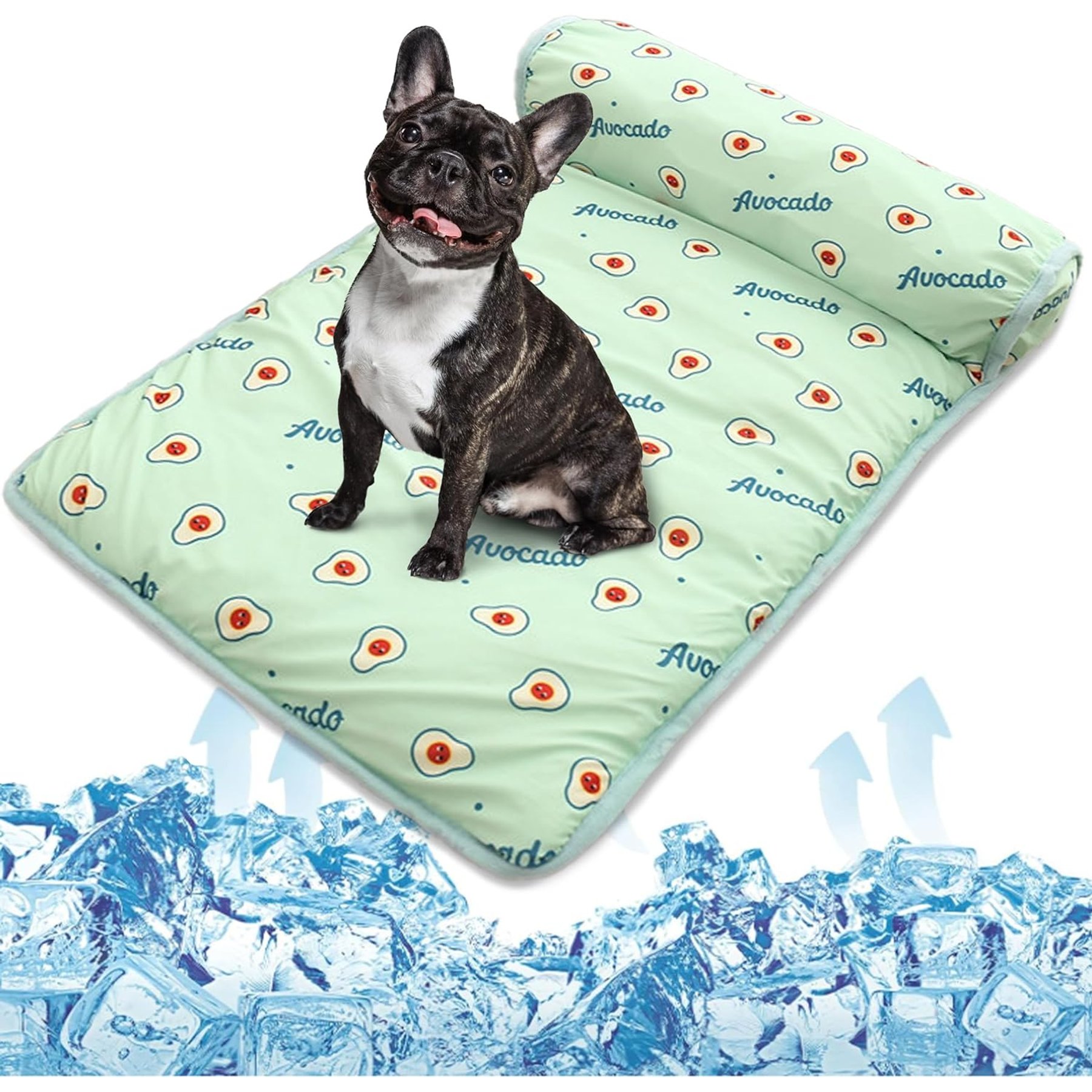
Cool surfaces. Cats will pick the cool spot on their own if you give them one. A gel-based cooling mat is the most reliable option; the color-changing endothermic mats also give you a visible signal that the material is engaged. works well because it requires zero setup (no freezer, no water), and the cat learns in a day that the mat is the cool place. For long-coated cats, an ice-silk mat with light padding is more comfortable for extended sleep. is the version most cats accept without a settling period.
Airflow and blinds. A fan and closed blinds on the sunny side of the house drop peak room temperature by five to ten degrees in most homes. This is the intervention with the largest effect per dollar spent, and it costs nothing.
Never leave a cat in a parked car. AVMA field data on parked-car temperatures shows interior temperature rises about twenty degrees Fahrenheit above ambient within ten minutes and about forty degrees within an hour, regardless of cracked windows. Cats are at least as vulnerable as dogs in a parked car; their smaller body mass means core temperature climbs faster than most owners expect.
Bottom line
If your cat is panting, you are already late. Watch the earlier signs (the flat sprawl, the drool, the elevated resting respiratory rate), and treat those as the emergency the cat is telling you they are. Cool with room-temperature water and airflow, not ice. Get to the vet if the cat does not visibly recover in twenty minutes. And build the summer environment before the heat wave, not during it: hydration, cool surfaces, airflow, and closed blinds on the sunny side.
FAQ
Frequently asked
Is panting normal in a cat during summer?
No. Cats do not routinely pant to cool themselves. Panting in a cat means the earlier heat-loss mechanisms have already failed and the cat is decompensating. Any open-mouth breathing in a resting cat is a same-day emergency call regardless of the ambient temperature.
What is a normal resting respiratory rate for a cat?
Roughly 15 to 30 breaths per minute measured while the cat is calm or asleep. A resting cat consistently above 40, or a cat breathing with visible chest and abdominal effort, is in respiratory distress and needs a veterinarian even in the absence of heat.
Should I use ice water to cool an overheated cat?
No. Ice-cold water causes peripheral vasoconstriction that slows core cooling and can precipitate shock in a compromised animal. Use room-temperature water on paw pads, ears, and belly, plus airflow from a nearby fan. Stop active cooling once the rectal temperature reaches about 103.5°F and let the cat coast the rest of the way.
Which cats are highest-risk for heat stress?
Brachycephalic breeds (Persian, Exotic Shorthair, Himalayan), senior cats over 11, overweight cats, thick or long-coated breeds (Maine Coon, Norwegian Forest, Ragdoll), cats with chronic kidney disease or hyperthyroidism, and kittens under four months. If any of these describe your cat, summer strategy needs to be preventive, not reactive.
How much water should a cat drink in hot weather?
Total daily water intake, including moisture from wet food, should land around 60 milliliters per kilogram of body weight for a healthy adult cat, with higher targets for CKD or hyperthyroid cats. Wet food is the largest single lever. A quiet, clean running-water source raises daily intake in many cats.
How hot is too hot for a cat in the house?
Cats tolerate ambient temperatures up to about 85°F comfortably if they have shade, airflow, and water. Above 90°F, high-risk cats begin to struggle. The intervention with the largest effect per dollar is closing blinds on the sunny side of the house and running a fan; this drops peak room temperature by five to ten degrees in most homes.
Featured in this guide
The picks referenced above—priced and in stock at time of publication.
Affiliate links. Prices and availability change—we filter unavailable items nightly, but the retailer's page is source of truth.
Keep reading
summer
Hot Spots on Dogs: What Actually Stops Them Before They Spread
summer
Dog Heatstroke First Aid: What To Do in the First 15 Minutes
summer
Freeze-Safe Dog Treat Recipes: Safe Ingredients, Smart Portions
evergreen
Wand Toys for Cats: The Toy Matters Less Than How You Move It
halloween safety
Halloween Candy and Dogs: Which Candies Are Dangerous, How Much, and What to Do
evergreen
Probiotics for Dogs: What the Evidence Supports, and What the Label Has to Say
Discussion
Talk about Cats in Summer Heat: The Signs of Feline Heat Stress Owners Miss
Real questions from real pet owners. Add yours—signed-in members only, first three posts held for review.
Loading threads…