Hot Spots on Dogs: What Actually Stops Them Before They Spread
A hot spot can grow from a moist patch to a raw, oozing lesion in hours. Here is the vet-backed protocol we use to stop one in the first day, plus the underlying triggers most owners miss.
petsupplies.co earns a commission if you buy through the product links on this page, and the price you pay is the same either way.

Hot spots are the summer skin problem that ambushes owners. At 8 a.m. the coat looks fine. By dinner there is a wet, red, coin-sized patch the dog will not stop licking, and by morning it is the size of a playing card, oozing, and painful to touch.
The clinical name is pyotraumatic dermatitis or acute moist dermatitis. It is one of the most common summer skin presentations in general practice, and the reason it spreads so fast is a self-reinforcing loop: moisture and a minor irritation set off itching, the dog licks and chews the spot, self-trauma breaks the skin barrier, resident bacteria colonize the raw surface, and the resulting inflammation itches more. The lesion doubles overnight because the dog is actively making it worse every time you are not watching.
The good news is that a hot spot caught in the first twenty-four hours is almost always manageable at home if you break the loop cleanly. This protocol is drawn from the MSD Veterinary Manual entry on canine pyoderma, current VCA Hospitals owner guidance on hot spots, and the American Kennel Club's clinical overview. None of it is exotic. All of it depends on doing the first six hours right.
What a hot spot actually is
A hot spot is not a bite, a burn, or an allergy on its own. It is a localized bacterial skin infection sitting on top of self-trauma. The primary organism cultured from these lesions is usually Staphylococcus pseudintermedius, a bacterium that already lives on healthy canine skin and only becomes a problem when the skin barrier fails.
Two signs distinguish a hot spot from a scrape or a rash:
- It is wet. Moisture is diagnostic. Dry crusty patches are usually something else.
- It is expanding. A stable lesion is usually not a hot spot; a hot spot doubles in hours because the dog will not leave it alone.
Most cases sit on the neck, cheek, rump, hip, or the back of a thigh. Long-coated and double-coated breeds are overrepresented because their coats hold moisture against the skin after swimming, bathing, or a long humid walk.
The first six hours: break the loop
The whole protocol is aimed at the four things that keep a hot spot growing: moisture, hair covering the wound, bacteria on the surface, and the dog's tongue. Address each in this order.
Step 1: Clip the hair back
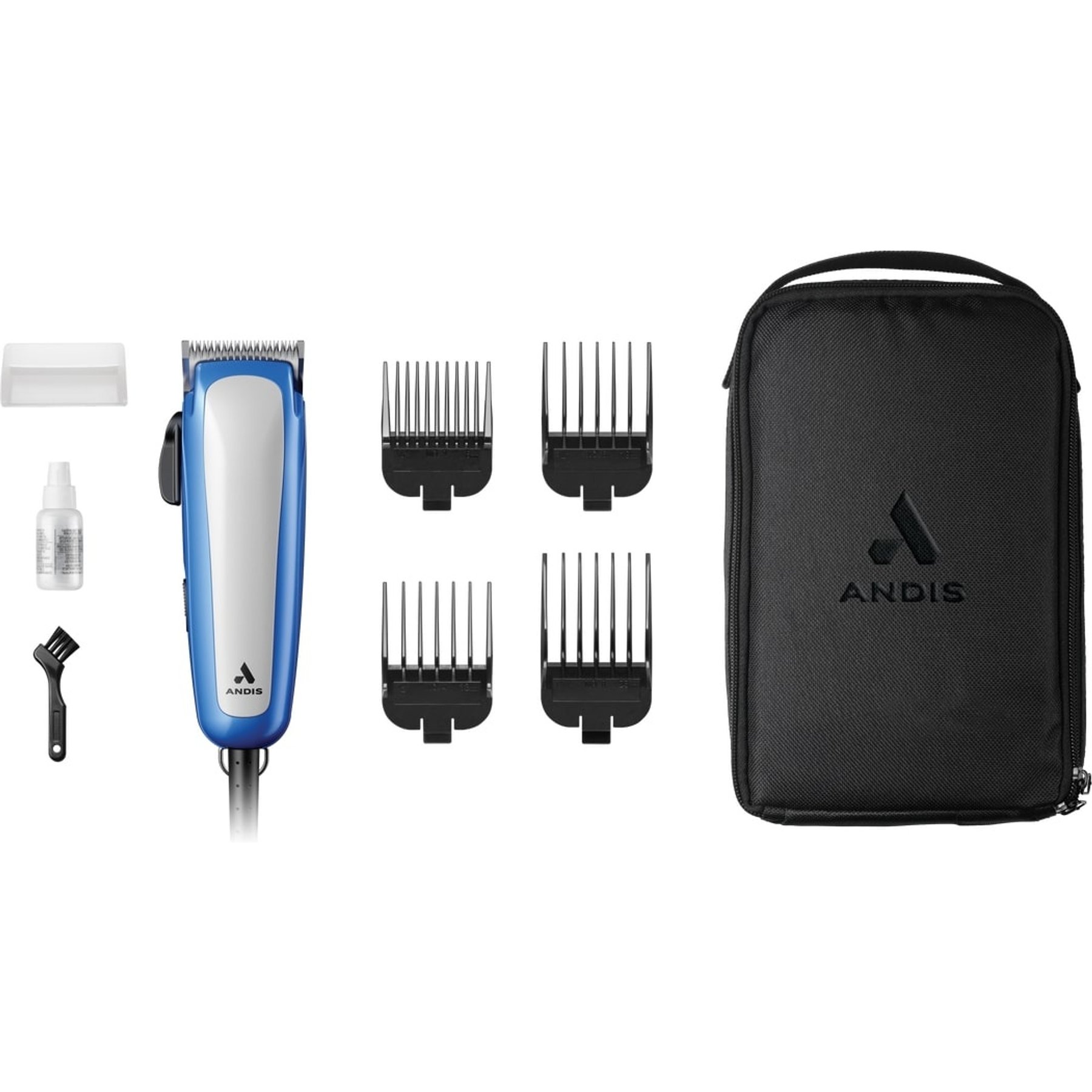
The coat is what trapped the moisture in the first place, and it now holds bacteria and discharge directly against the skin. Using a dog grooming clipper with a #10 blade, clip a two-centimeter margin of hair around the entire lesion until you can see healthy skin at every edge. Do not use scissors near a raw wound. If your dog will not tolerate clipping the site, this is the signal that the lesion is already painful enough for a vet visit and possibly sedation.
Step 2: Clean with a chlorhexidine wash
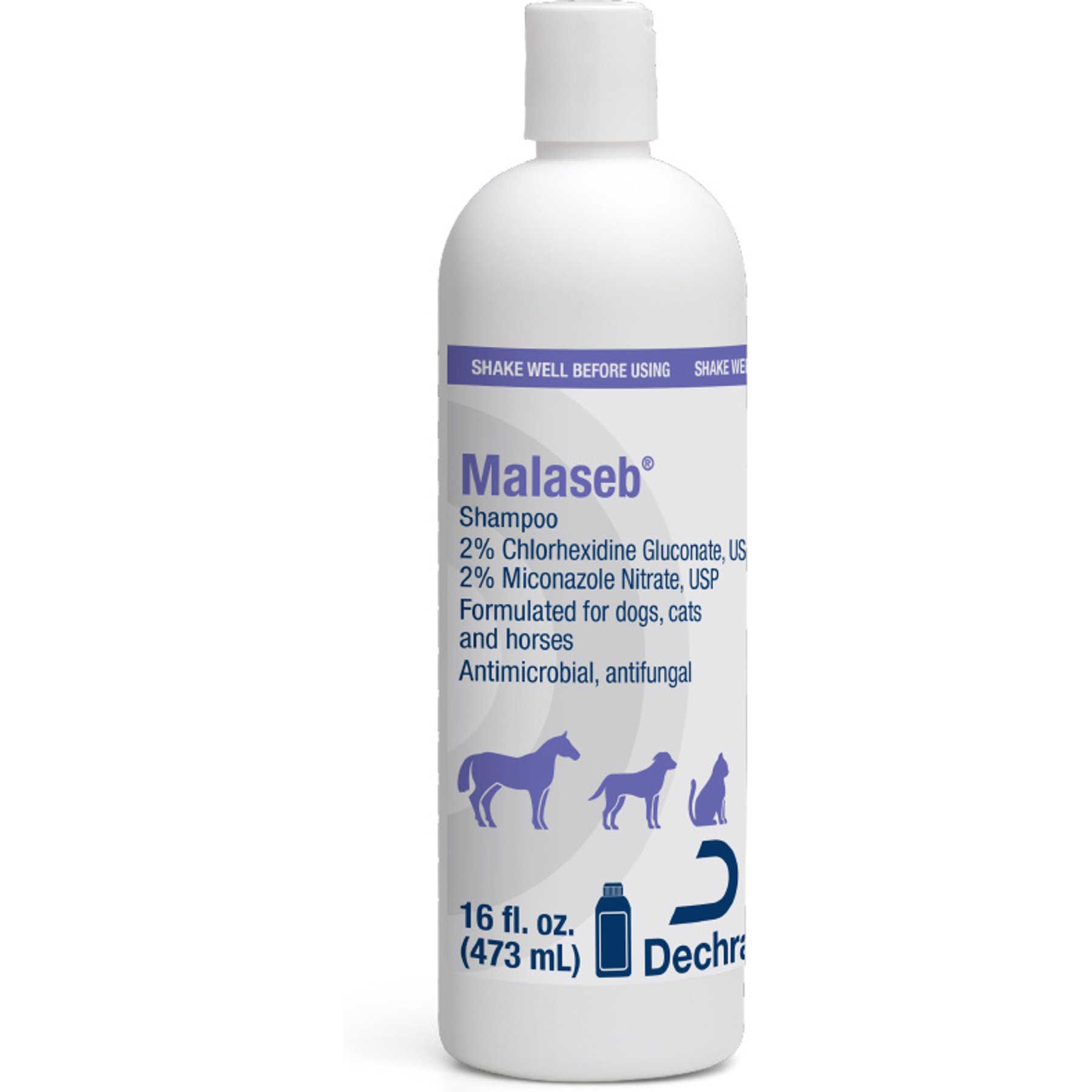
Chlorhexidine gluconate at 2 to 4 percent is the antiseptic with the strongest evidence base for superficial pyoderma in dogs. It is what most veterinary dermatologists reach for first, and it is the active ingredient in medicated shampoos used clinically for the same lesion you are looking at.
Lather the site and a wide margin of surrounding skin, leave the foam in contact with the skin for a full ten minutes (this contact time matters: most owners rinse too soon), then rinse and pat dry.
Step 3: Dry the site completely
Wet skin is what started this. Pat, then air-dry with a cool blow-dryer on the lowest setting held at arm's length. Do not bandage. Hot spots need airflow and dryness; occlusive dressings make them worse.
Step 4: Stop the licking
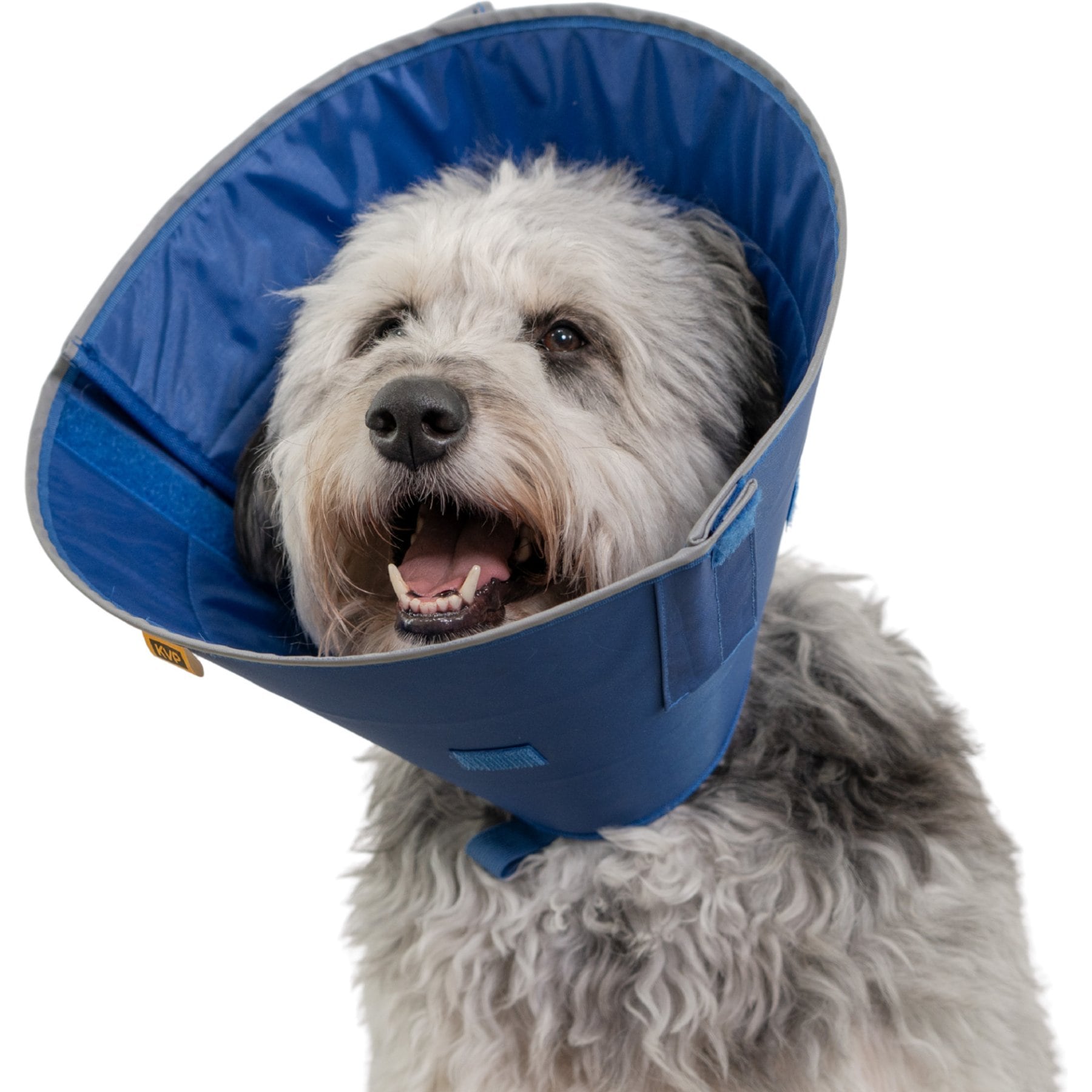
This is the step owners underweight. A hot spot the dog cannot reach will heal. A hot spot the dog reaches every ninety minutes will not, no matter how well you cleaned it. A soft recovery collar is non-negotiable for the first three to five days.
Step 5: Reclean twice daily and watch the margin
Re-lather with chlorhexidine every twelve hours. Draw a mental line at the outer edge of the lesion on day one. If the raw area is smaller on day two and dry on day three, you are winning. If it is bigger, wetter, or the dog is off food, you are not. Call the vet.
When home care is not enough
Some lesions are past the home-care threshold on presentation. Call your veterinarian the same day if any of these are true:
| Sign | Why it matters |
|---|---|
| Lesion larger than a credit card | Likely deeper than superficial pyoderma; often needs oral antibiotics |
| Yellow or green discharge, or foul odor | Suggests deep pyoderma, not surface infection |
| Dog is lethargic, off food, or febrile | Systemic involvement, not local |
| Lesion is over a joint or paw fold | These sites need bandaging strategies and rarely heal at home |
| Recurrence in the same spot within a month | There is an underlying trigger a vet needs to find |
Deep and recurrent cases typically need an extended course of oral antibiotics (three to six weeks minimum for superficial pyoderma, often longer for deep pyoderma) chosen by culture, sometimes a short course of oral steroids to break the itch cycle, and always a workup for the underlying trigger. The American College of Veterinary Dermatology is the specialty referral if your primary vet has treated the same recurrence more than twice.
What is actually causing them
A hot spot is a symptom, not a diagnosis. The vast majority of recurrent cases trace to one of five triggers, and treating the surface without treating the trigger guarantees you will be back at this lesion within weeks.
| Underlying trigger | How it shows up | What actually fixes it |
|---|---|---|
| Fleas | Hot spot on the rump or tail base; other family pets scratching | Year-round flea prevention on every pet in the household, not just seasonal |
| Environmental allergy (atopic dermatitis) | Recurrent hot spots on face, paws, or armpits; itchy year-round or with pollen seasons | Vet workup; often needs a prescription immunomodulator |
| Ear infection | Hot spot below the ear or on the cheek where discharge tracks | Treat the ear; the skin follows |
| Wet coat after swimming or bathing | Hot spot appears within twenty-four hours of the last swim | Blow-dry to the skin, not just the coat; do not skip the undercoat |
| Anal gland problem | Hot spot at the hip, thigh, or tail base | Vet expression and workup for chronic impaction |
The single most common miss: a double-coated dog swims, the outer coat feels dry by evening, the undercoat is still saturated at bedtime, and the hot spot arrives by morning. If your dog swims, they need a real drying session after every swim, not a towel.
Preventing the next one
Prevention is unglamorous and works. In descending order of effect:
- Keep every pet in the household on year-round flea prevention. Fleas cause more hot spots than any other single trigger, and treating one animal in a multi-pet home does not solve it.
- Dry the undercoat completely after swimming, bathing, or a rainy walk. A cool blow-dryer for ten minutes is enough.
- Groom double coats weekly through summer. Matted coats trap moisture against the skin and are a common ignition point.
- Treat ears at the first head-shake, not the fifth. Ear discharge tracks down the cheek and is a top-three cause of facial hot spots.
- If your dog has had two hot spots in a season, ask your vet about an allergy workup. Recurrence is a signal, not a coincidence.
For the underlying grooming habits, our companion post on summer grooming tools for double coats walks through the drying and undercoat steps in more detail.
Bottom line
A hot spot in the first twenty-four hours is a five-step problem: clip, clean with chlorhexidine, dry, prevent licking, and monitor the margin. A hot spot on day three that is larger than a credit card is a vet problem. And a hot spot that keeps coming back is a trigger problem (usually fleas, allergies, or ears), and no amount of shampoo will fix it until the trigger is addressed.
FAQ
Frequently asked
How is a hot spot different from a rash or a bite?
A hot spot is wet, expanding, and self-inflicted. The dog is actively licking or chewing the site, and the raw area grows by the hour. Dry, crusty, stable patches are usually something else. Bites are typically a puncture pattern without the wet, spreading margin.
Can I use human antibiotic ointment on a hot spot?
No. Neomycin- and hydrocortisone-based human ointments are not made for dogs, are readily licked off, and can cause GI upset if ingested in volume. Chlorhexidine washes and vet-directed medications are the right tools. If home care is not visibly working within 24 to 48 hours, the lesion needs a veterinarian, not a stronger ointment.
Do I need to shave my dog to treat a hot spot?
You do not need to shave the dog. You do need to clip the coat back at least two centimeters in every direction from the lesion, until healthy skin is visible at every edge. Hair over the lesion traps moisture and bacteria and is the single largest reason at-home treatment stalls.
How long does a hot spot take to heal?
A superficial hot spot caught in the first day and treated correctly is typically visibly better in 48 hours and closed within 7 to 10 days. Anything not visibly improving on day three, or getting worse at any point, needs a veterinarian. Deep or recurrent lesions often need a three-week course of oral antibiotics.
My dog keeps getting hot spots in the same place. Why?
Recurrence in the same spot is almost always an underlying trigger, not bad luck. The top five are fleas, environmental allergy, ear infection tracking discharge onto the cheek, a wet undercoat after swimming, and anal gland problems near the tail base. If you have treated two hot spots in a season, ask your veterinarian for an allergy or dermatology workup.
Featured in this guide
The picks referenced above—priced and in stock at time of publication.
Affiliate links. Prices and availability change—we filter unavailable items nightly, but the retailer's page is source of truth.
Keep reading
summer
Cats in Summer Heat: The Signs of Feline Heat Stress Owners Miss
summer
Dog Heatstroke First Aid: What To Do in the First 15 Minutes
summer
Freeze-Safe Dog Treat Recipes: Safe Ingredients, Smart Portions
evergreen
Wand Toys for Cats: The Toy Matters Less Than How You Move It
halloween safety
Halloween Candy and Dogs: Which Candies Are Dangerous, How Much, and What to Do
evergreen
Probiotics for Dogs: What the Evidence Supports, and What the Label Has to Say
Discussion
Talk about Hot Spots on Dogs: What Actually Stops Them Before They Spread
Real questions from real pet owners. Add yours—signed-in members only, first three posts held for review.
Loading threads…