Anxiety Wraps for Fireworks and Noise: What the Pressure Does, and What It Cannot
Nearly half of dogs are frightened by fireworks, and a wrap is the product most owners reach for. The evidence for it is real but thin, and it works best as one layer of a plan that starts weeks before the first bang.
petsupplies.co earns a commission if you buy through the product links on this page, and the price you pay is the same either way.

Fireworks season is the one time of year most dog owners go looking for a product, and the product they find is a wrap: a snug garment that applies steady pressure to the torso and is sold on the idea that pressure calms. The idea is plausible, some dogs do settle in one, and the evidence behind it is thinner than the packaging suggests.
This guide sets out what the studies actually found, how to use a wrap so that it helps rather than becomes part of the problem, and the three other things that do more for a frightened dog than any garment. The wrap is in here. It is just not first.
How common this is
Noise fear is not a quirk of a few dogs. A review in the journal Today's Veterinary Practice cites an estimate that about 49 percent of dogs show a significant fear response to firework noise, and thunderstorm fear is the commonest form of noise phobia. The Merck Veterinary Manual's owner pages describe noise phobia as a sudden, profound response that leads to intense anxiety, panic or attempts to escape, and say it tends to worsen with each exposure rather than fade. That last point is why doing something is better than waiting for the dog to grow out of it. It will not.
Our reference page on canine noise phobia covers the clinical picture; this guide is about the kit and the routine around it.
What the pressure evidence says
The claim for a wrap is that gentle, constant pressure over the torso has a calming effect, by analogy with swaddling an infant. The best-known study is an open-label trial of the Anxiety Wrap in eighteen dogs with thunderstorm phobia, published in 2013. By the fifth use, owner-rated anxiety scores were about 47 percent lower than before the wrap, 89 percent of owners reported it at least partially effective, and no adverse effects were reported.
Those are real numbers and they are worth taking seriously. They are also exactly what an owner-scored, uncontrolled trial of a product the owner has paid for would be expected to produce even if the effect were small, because expectation, habituation and the ordinary run of storms are all in the score. A later study measuring heart rate as well as behavior found more mixed results. The fair summary is that a wrap is cheap, safe, and helps some dogs somewhat, and that nobody has shown it does more than that.
So buy one, use it properly, and build the rest of the plan around it rather than on it.
Fitting and introducing a wrap
A wrap that appears for the first time as the first rocket goes up becomes a predictor of rockets. Introduce it in September, not on the night.
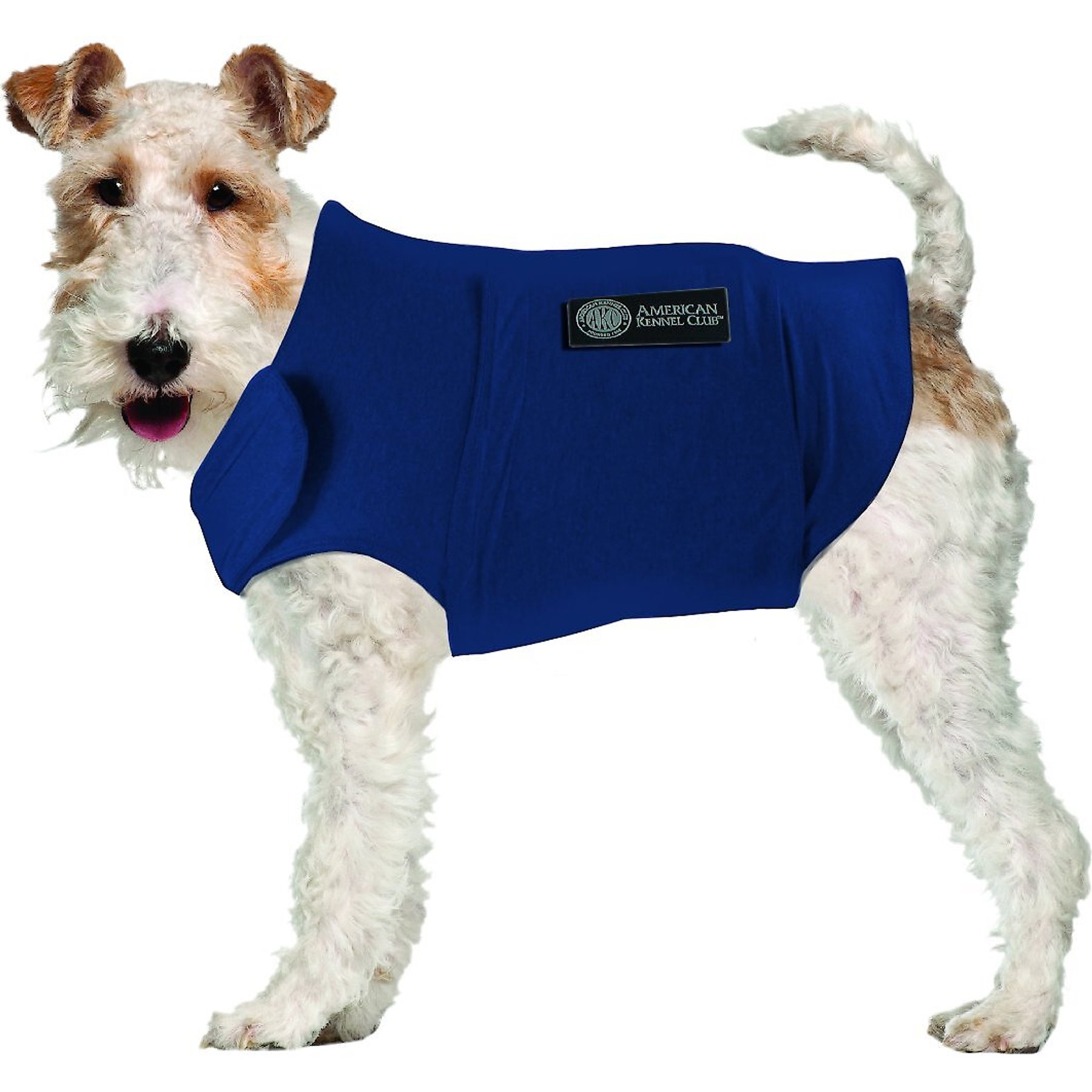
This is a straightforward pressure vest: it wraps the torso and fastens with hook-and-loop straps, so it goes on in seconds and adjusts to the dog rather than to fixed sizes. It is sold by size and the medium is linked here; measure the girth behind the front legs against the maker's chart, because a wrap that is loose does nothing and one that is tight is a different kind of stress.
Put it on for five minutes on a quiet afternoon with something good to eat, take it off, and repeat over a couple of weeks until the dog is indifferent to it. Then on the night, fit it early, before the first bang, and remove it once things are quiet. Two fingers should slide under it. Leave it off a dog that is panting hard or that tries to get out of it; a garment the dog is fighting is not calming anyone.
The den, which does more than the wrap
A frightened dog wants somewhere small, dark and enclosed, and it will find one under a bed or behind a sofa if you do not provide it. Providing it is better, because you can choose a spot away from windows and make it a place the dog already likes.
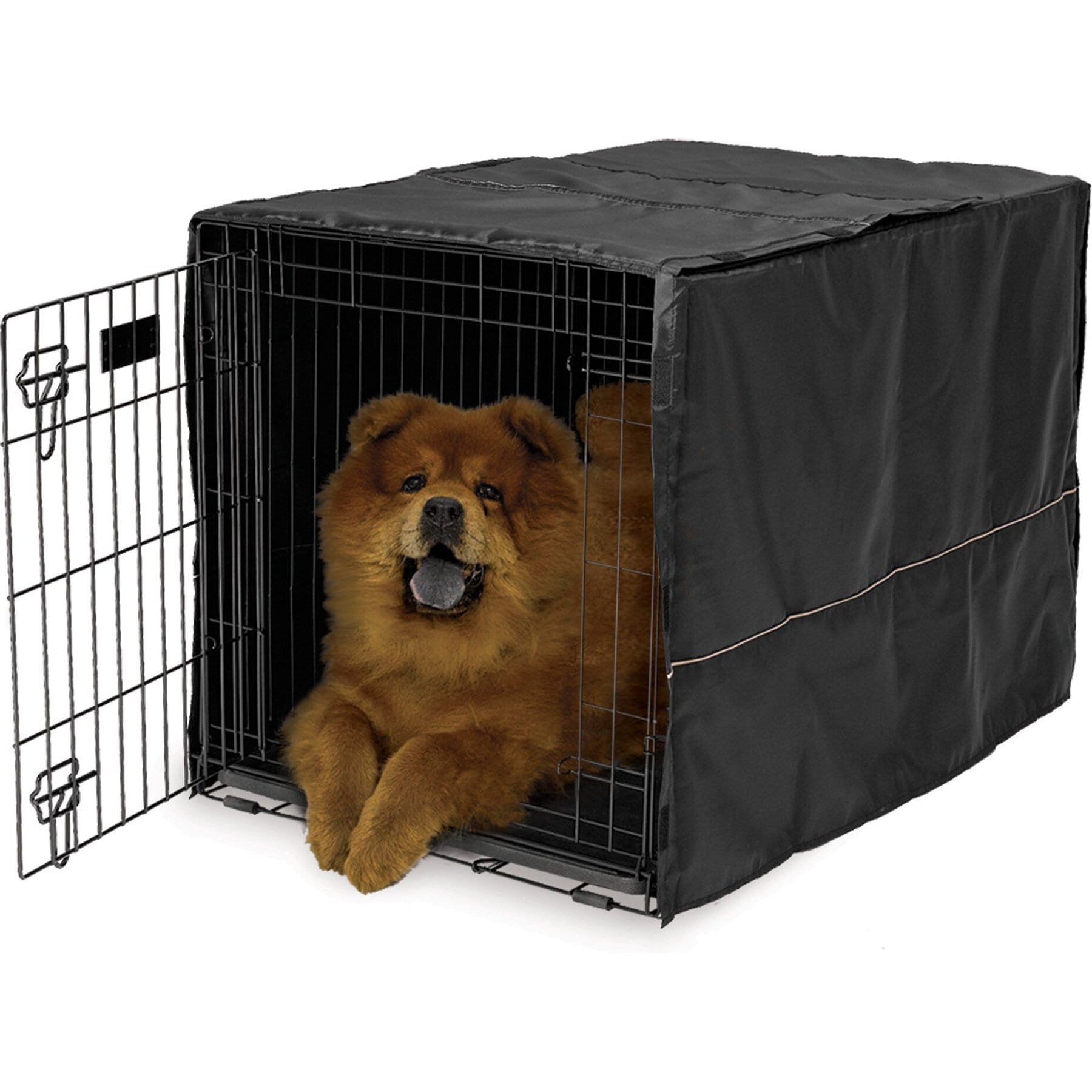
A cover over a wire crate dims the flashes and takes the edge off the sound, and it gives the dog a boundary it can rely on. This one is a machine-washable polyester cover with hook-and-loop tabs that hold it in place and open over the doors, sized for the maker's own crates by length. The crate door stays open on the night. A dog that has chosen a den will stay in it; a dog that is shut in one panics.
If your dog is not crate-trained, a covered table or a cupboard under the stairs does the same job. See crate training for how to make a crate a place a dog chooses, and what should I put in my dog's crate for the bedding side.
Draw the curtains, put a television or a radio on at ordinary volume, and stay in the room. The old advice that comforting a frightened dog rewards the fear has not survived: fear is not a behavior you can reinforce with kindness. Be calm, be present, and let the dog decide whether it wants the den or your lap.
Something to lick
Licking is calming for dogs in a way that is easy to see and hard to overstate. It occupies the mouth, slows the breathing, and gives a frightened dog a job. It is also the easiest form of counter-conditioning there is: a dog that is eating something wonderful while the first distant bangs happen is learning that bangs predict food.
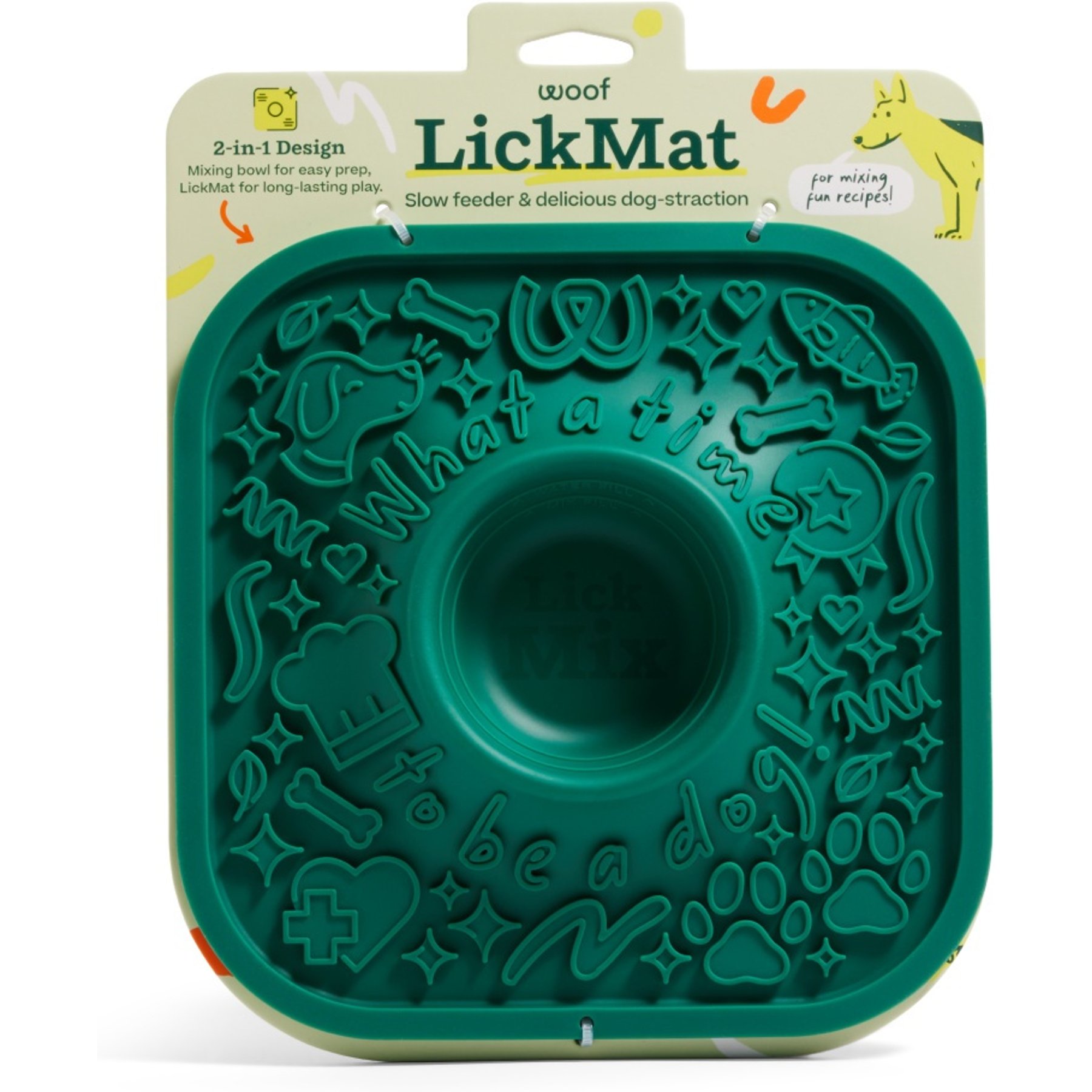
A silicone lick mat with a built-in bowl and suction cups underneath, so it stays put on the crate tray or a hard floor while the dog works at it. Spread it with something soft, freeze it in advance, and have it ready in the den before the noise starts. We covered the wider case for licking in best lick mats for dogs, and the same mat earns its keep on any evening the dog needs settling.
Pheromones, with expectations set
Synthetic dog-appeasing pheromone products are widely used and low-risk, and the evidence for them is thin and mixed. They are a reasonable background layer for a dog that is mildly unsettled, and not a treatment for one that panics.
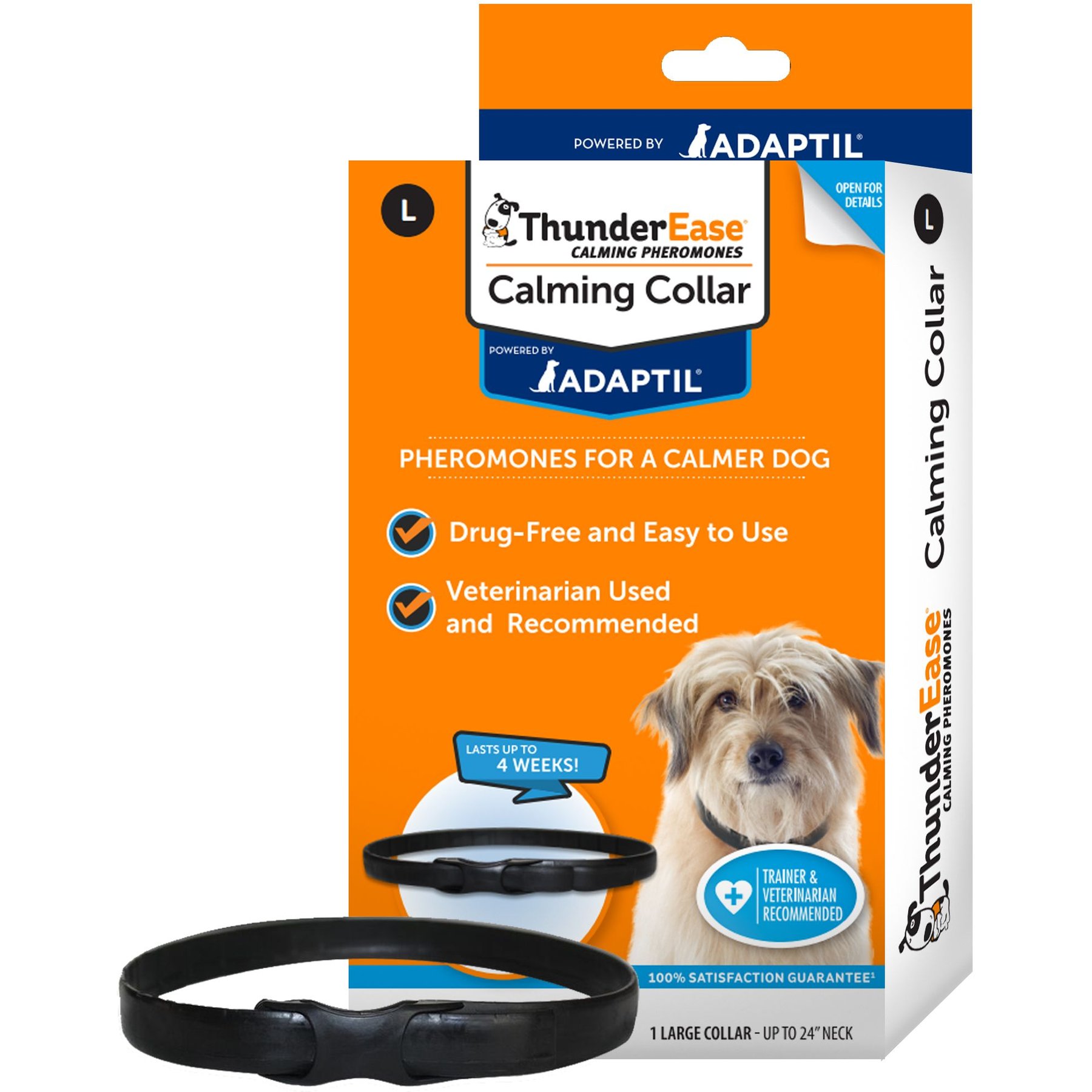
A collar that releases a synthetic version of the pheromone a nursing mother produces, sized by neck and worn continuously, so it is on the dog in the two weeks before and after the season rather than fitted on the night. The maker's claims run well ahead of the evidence; treat it as a cheap adjunct that might help and cannot hurt, and check the skin under any collar on a dog that wears one all the time.
Supplements, and the conversation with the vet
Calming supplements sit in the same category. They are sold without the efficacy evidence a drug needs, ingredients and doses vary widely between products, and for an older dog or one on other medication they are worth clearing with your vet first.
This is a pork-flavored soft chew with L-theanine and L-tryptophan. The maker says it supports a relaxed mood without drowsiness during common stressors such as fireworks, travel and separation. Try it on an ordinary evening first so you know how your dog responds, and do not let it stand in for a veterinary conversation.
That conversation is the important one for a dog that trembles, drools, hides for hours or tries to escape. There are prescription medications for exactly this, including products licensed specifically for noise aversion, and Merck notes that medication can be very helpful in fear-related problems such as thunderstorm phobia. A dog in genuine panic does not need a better garment. See also how do I help my dog with fireworks anxiety.
The part that starts in September
Everything above is management for the night. The thing that changes the dog is desensitization and counter-conditioning done over weeks: recorded firework noise at a volume the dog barely notices, paired with food, raised so gradually the dog never reacts. Merck describes this as the core of early treatment for fears, phobias and anxieties. It is slow and unglamorous and it is what works. A wrap on the night is the small thing; the recordings in the weeks before are the large one.
The same program, and much of the same kit, applies to separation distress, which we covered in calming aids for separation anxiety.
How this goes wrong
| What happens | Why it matters | What to do instead |
|---|---|---|
| Wrap goes on for the first time as the fireworks start | The wrap comes to predict fireworks | Introduce it on quiet days with food, weeks ahead |
| Wrap fitted loose | No pressure, no effect | Snug, two fingers underneath, sized by girth |
| Dog shut in the crate to keep it safe | Panic in a box | Door open, cover on, the dog chooses |
| Owner leaves the dog alone to avoid rewarding fear | Fear is not rewarded by comfort; the dog is alone and afraid | Stay, be calm, let the dog choose you or the den |
| A panicking dog managed with a collar and a chew | Panic is a veterinary problem | Ask about event medication |
| Nothing done between seasons | Noise phobia worsens with exposure | Desensitization with recordings, starting now |
What to skip
- Any wrap as the whole plan. It is one layer.
- Shutting the crate door. Ever, on a frightened dog.
- Punishing or dragging a hiding dog out. It adds fear to fear.
- Sedatives borrowed from a previous prescription or another dog. Some of the older ones sedate the body and leave the fear intact.
- Walking the dog during the display. Walk early, in daylight, and stay in.
How to choose
Buy the wrap now and fit it on quiet days until the dog ignores it.
Set up a den the dog already likes, covered, away from windows, door open, with a frozen lick mat inside.
Add the pheromone collar two weeks before if you want the background layer, and clear any supplement with your vet.
Start the recordings this week.
And if your dog panics rather than worries, book the vet before you buy anything else.
FAQ
Frequently asked
Do anxiety wraps really work for fireworks?
For some dogs, modestly, and the evidence is weaker than the marketing. The best-known trial, an open-label study of eighteen dogs with thunderstorm phobia, found owner-rated anxiety about half as high by the fifth use of a wrap, with most owners reporting some benefit. There was no untreated comparison group and the owners were the judges, so expectation is in the numbers. Treat a wrap as low-risk, inexpensive and worth trying, and never as the whole plan for a dog that panics.
When should I put the wrap on my dog?
Before the noise starts, not during it, and after the dog has worn it calmly on ordinary days. A wrap that only ever appears as the first firework goes off becomes a predictor of fireworks and makes things worse. Fit it a few times in the weeks beforehand for short, pleasant periods with food, then on the night put it on early in the evening and take it off once things are quiet. It should be snug enough to give even pressure and loose enough to slide two fingers under.
What else helps a dog frightened by fireworks?
A den it chooses to use, with a cover to dim light and dull sound; curtains drawn and a television or radio on; something to lick or chew, because licking is calming and gives the dog a job; your presence, without fuss; and for the weeks before, desensitization to recorded noise paired with food. For a dog that trembles, drools, hides for hours or tries to escape, ask your vet about event medication, which now includes products licensed specifically for noise aversion.
Should I comfort my dog during fireworks or ignore it?
Comfort it, calmly. The old advice that attention rewards fear has not held up: fear is an emotion, not a behavior you can reinforce by being kind, and a dog that seeks you out during a storm is asking for the safety you represent. Sit with it, keep your voice ordinary, and let it choose the den if it prefers. What to avoid is high-energy reassurance or dragging the dog out of a hiding place, both of which add to the alarm.
Can I use a calming supplement instead of a wrap?
You can use one alongside a wrap, but with expectations set low and a word with your vet first, particularly for an older dog or one on other medication. Calming supplements are sold without the efficacy evidence a drug would need, and the ingredients vary widely. For a dog with real noise phobia the products with evidence behind them are prescription medications and a structured desensitization program, and a supplement is at best a small addition to those.
Featured in this guide
The picks referenced above—priced and in stock at time of publication.
Affiliate links. Prices and availability change—we filter unavailable items nightly, but the retailer's page is source of truth.
Keep reading
back to school routine
Calming Aids for Separation Anxiety: What Helps and What Is Just Packaging
back to school routine
Puzzle Toys for Dogs Home Alone: What They Fix, and What They Don't
travel
Calming Products for Car Rides: An Evidence-Led Buyer's Guide
halloween safety
Halloween Candy and Dogs: Which Candies Are Dangerous, How Much, and What to Do
halloween safety
LED Collars for Night Safety: Light That Does Not Need Headlights
halloween safety
Reflective Gear for Evening Walks: Where It Goes Matters More Than How Much
Discussion
Talk about Anxiety Wraps for Fireworks and Noise: What the Pressure Does, and What It Cannot
Real questions from real pet owners. Add yours—signed-in members only, first three posts held for review.
Loading threads…